

The United States commands the most powerful military force in the world. Its advantage rests on scale, technology, global reach and a defence system built over decades of sustained investment. While other nations have expanded their capabilities, none matches the breadth and depth of American military strength.
At the centre of that strength is spending. The United States allocates more to defence than the next several countries combined. Its annual military budget runs into hundreds of billions of dollars. This financial capacity allows it to maintain a large standing force, modernise equipment continuously and invest heavily in research and development. Advanced aircraft, precision weapons, cyber capabilities and space based systems all stem from this sustained funding.
The structure of the armed forces also matters. The US military operates through five main branches, the Army, the Navy, the Air Force, the Marine Corps and the Space Force. Together, they provide land, sea, air, cyber and space capabilities. This integrated structure ensures that operations can be coordinated across multiple domains. Few countries possess such comprehensive multi domain command and control.
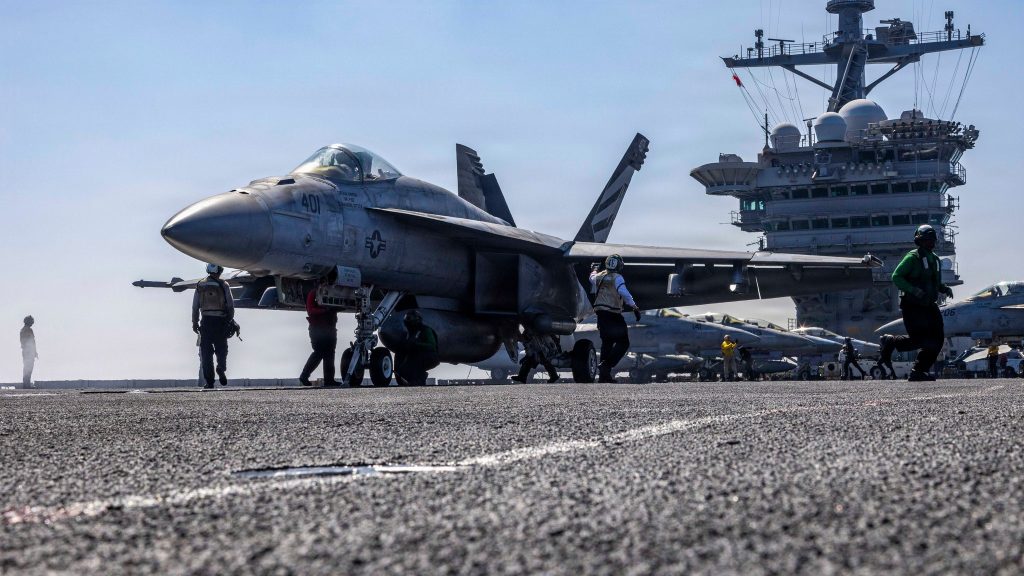
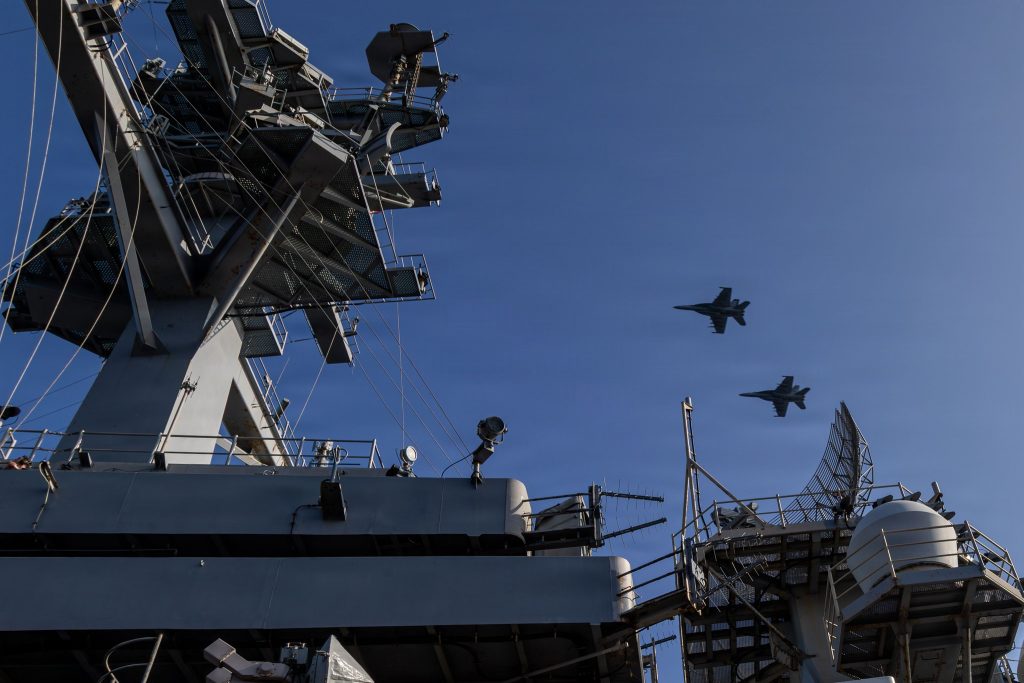
Naval dominance remains one of Washington’s clearest advantages. The United States Navy fields eleven nuclear powered aircraft carriers. No other country operates more than two. These carriers function as mobile airbases, capable of projecting air power thousands of miles from American shores. Accompanied by guided missile destroyers, cruisers and submarines, carrier strike groups allow the United States to maintain a near constant presence in key regions such as the Pacific, the Middle East and Europe.
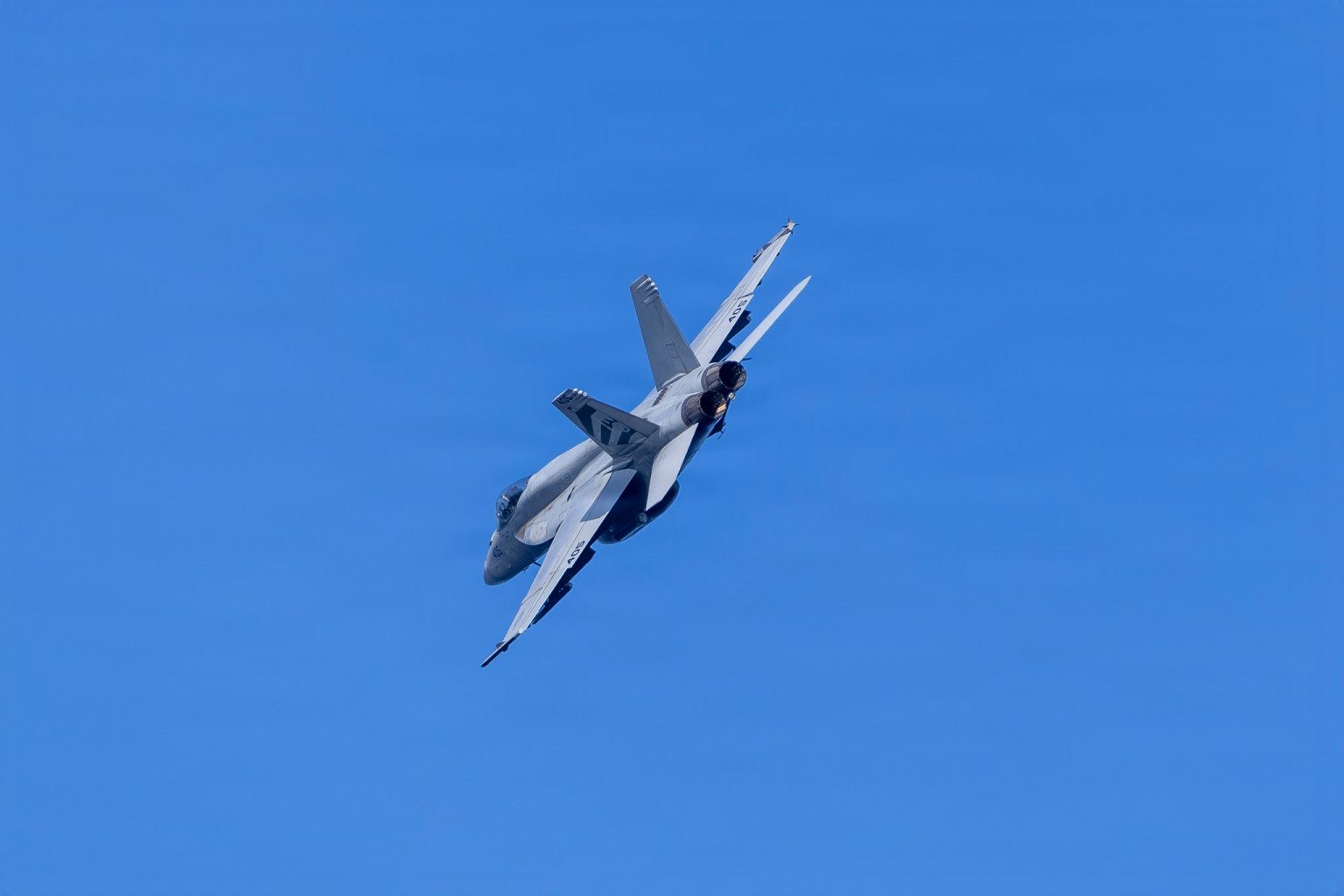
Air superiority is another pillar. The US Air Force operates a large fleet of advanced fighter jets and long range bombers. Aircraft such as the F thirty five and the B two stealth bomber provide capabilities designed to evade radar and deliver precision strikes. Strategic airlift fleets allow rapid deployment of troops and equipment across continents within hours. This logistical capacity gives Washington the ability to respond quickly to crises.
Nuclear deterrence further strengthens its position. The United States maintains a nuclear triad composed of land based intercontinental ballistic missiles, submarine launched ballistic missiles and strategic bombers. This ensures that even in the event of a surprise attack, a retaliatory strike would remain possible. The credibility of this deterrent shapes global security calculations and underpins alliances.
Technology and innovation set the US apart. The Pentagon works closely with private defence contractors and technology firms. This partnership accelerates the development of artificial intelligence systems, cyber tools, satellite networks and missile defence platforms. American forces also benefit from advanced intelligence gathering, including satellite surveillance and signals intelligence. Superior information often translates into operational advantage on the battlefield.
Alliances amplify American power. Through the North Atlantic Treaty Organization and partnerships across Asia and the Middle East, the United States maintains access to overseas bases and cooperative defence frameworks. These alliances extend its reach far beyond its borders. Troops and equipment can move through a network of allied territories, reducing response time and increasing strategic flexibility.
Training and doctrine also contribute to its edge. American forces conduct frequent joint exercises, both domestically and with partners. These drills test readiness and refine tactics. Professional military education emphasises leadership development and strategic planning. As a result, units can operate independently yet remain coordinated within larger campaigns.
Logistics remains one of the most underestimated strengths. The United States operates vast supply chains supported by cargo aircraft, transport ships and pre positioned equipment. During major operations, it can sustain forces abroad for extended periods. Many competitors possess capable weapons systems but lack the infrastructure to deploy and maintain them at scale.
Despite these advantages, American military dominance faces challenges. Rising powers have invested in anti access systems designed to limit US freedom of movement. Cyber threats and space based vulnerabilities introduce new risks. Domestic political debates also influence defence priorities. However, the combination of resources, experience and global partnerships continues to give the United States a clear military lead.
Military power alone does not determine global influence, yet it remains a central pillar of American foreign policy. The ability to deter adversaries, reassure allies and project force when necessary reinforces Washington’s strategic position. For now, the United States retains a level of military capacity that others seek to match but have yet to equal.