

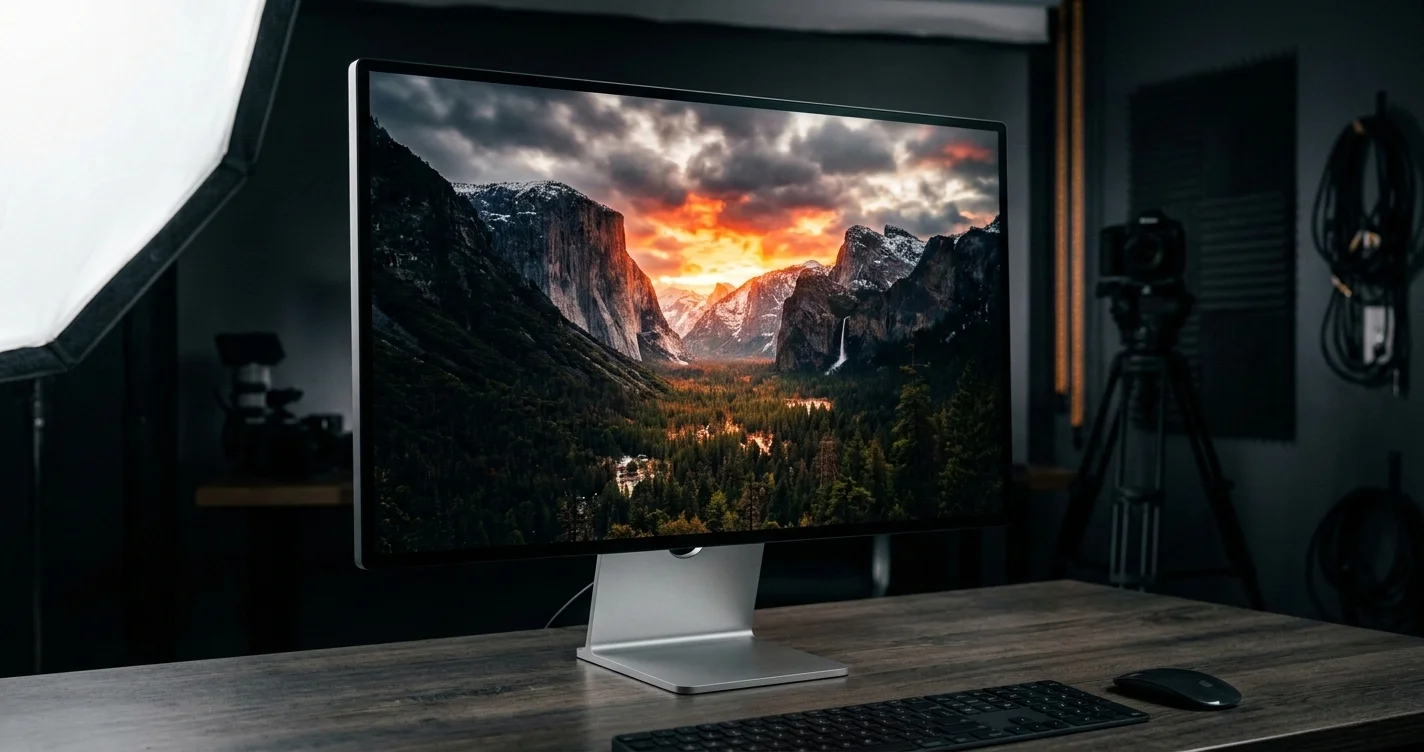

Apple has unveiled a refreshed Studio Display and a new Studio Display XDR, expanding its desktop monitor line with a stronger push into high end creative and professional workflows. The announcement was made on 3 March 2026, with pre orders opening on 4 March and general availability starting on 11 March.
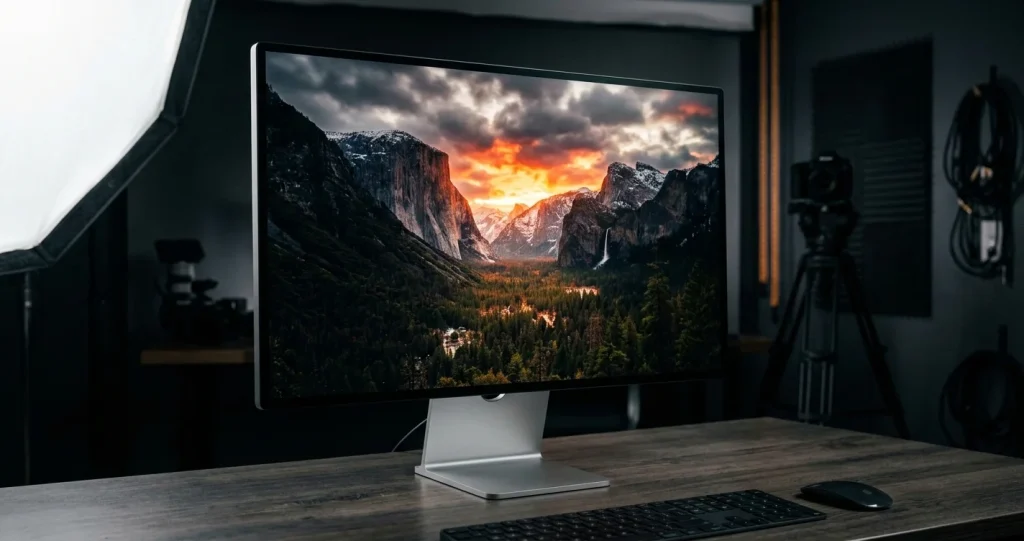
The updated Studio Display keeps its 27 inch 5K Retina panel but adds a 12MP Centre Stage camera with Desk View support, a three microphone array, a six speaker audio system with Spatial Audio, and Thunderbolt 5 connectivity. Apple said the display reaches 600 nits of brightness, supports P3 wide colour, includes two Thunderbolt 5 ports and two USB C ports, and can daisy chain up to four displays. It starts at 1,599 dollars in the United States.
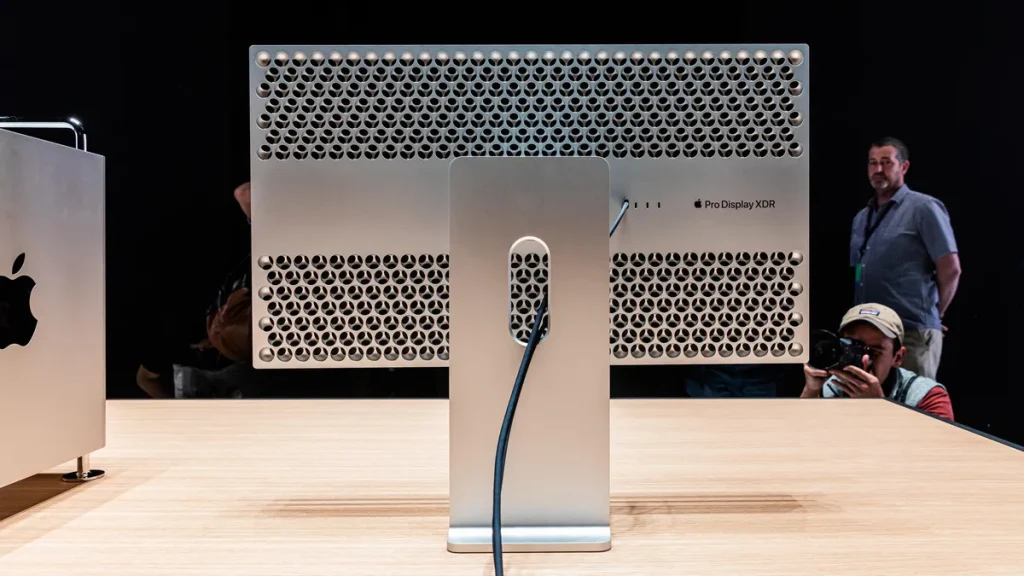
The bigger commercial story is the launch of Studio Display XDR, which Apple says replaces the Pro Display XDR. The new model features a 27 inch 5K Retina XDR panel with a mini LED backlight, more than 2,000 local dimming zones, up to 1,000 nits of SDR brightness, 2,000 nits of peak HDR brightness, a 1,000,000 to 1 contrast ratio, and a 120Hz refresh rate with Adaptive Sync. Apple is positioning it for HDR video editing, 3D rendering, design, print production, and diagnostic radiology. The XDR model starts at 3,299 dollars in the United States.
Apple also says Studio Display XDR supports both P3 and Adobe RGB colour gamuts, which strengthens its appeal for colour critical work such as publishing, photography, grading, and design. The display includes a 12MP Centre Stage camera, a three microphone array, a six speaker sound system, two Thunderbolt 5 ports, two USB C ports, and up to 140W charging power, enough to fast charge a 16 inch MacBook Pro.
For Nigeria and the wider African market, the new displays are unlikely to be mass market products. Their relevance is more likely to be felt among premium Mac users in media production, advertising, software development, architecture, post production, and high end design studios. For that audience, Apple is offering a clearer split between a premium mainstream display and a reference class professional monitor.
Apple is also extending the XDR model into specialist medical use. The company announced new DICOM medical imaging presets and a Medical Imaging Calibrator for diagnostic radiology, though it said FDA clearance for the calibrator in the United States is still pending. That could widen the product’s appeal beyond creative industries into healthcare environments that already rely on Mac based workflows.
Both displays will be offered in standard glass and nano texture glass options. Apple also said the products use recycled materials, including 100 per cent recycled aluminium in the stand and 80 per cent recycled glass in the standard glass model, as part of its wider 2030 carbon neutral target.