By | YOUNG, D
Apple has rolled out one of its busiest product release weeks in recent years, unveiling seven new devices across the iPhone, iPad, MacBook and display categories. The announcements, made between 2 March and 5 March 2026, include the iPhone 17e, iPad Air with M4, MacBook Air with M5, MacBook Pro with M5 Pro and M5 Max, a refreshed Studio Display, a new Studio Display XDR, and the lower priced MacBook Neo.
For Clarity:
- iPhone 17e
- iPad Air with M4
- MacBook Air with M5
- MacBook Pro with M5 Pro
- MacBook Pro with M5 Max
- Studio Display
- Studio Display XDR
The scale of the launch matters because Apple is not focusing on a single flagship device. Instead, it is refreshing nearly every major customer tier at once. Entry level buyers are getting a cheaper MacBook option and a more affordable current generation iPhone. Mainstream users are seeing upgrades to the iPad Air and MacBook Air. Professional users are getting stronger MacBook Pro models and a broader external display line up.

The iPhone 17e is Apple’s latest push into the lower priced premium smartphone market. Apple says the device features a 6.1 inch Super Retina XDR display and is positioned as a more accessible route into the current iPhone family. Reports around the launch say it starts at 599 dollars with 256GB of storage, while MagSafe support has returned as part of the update.
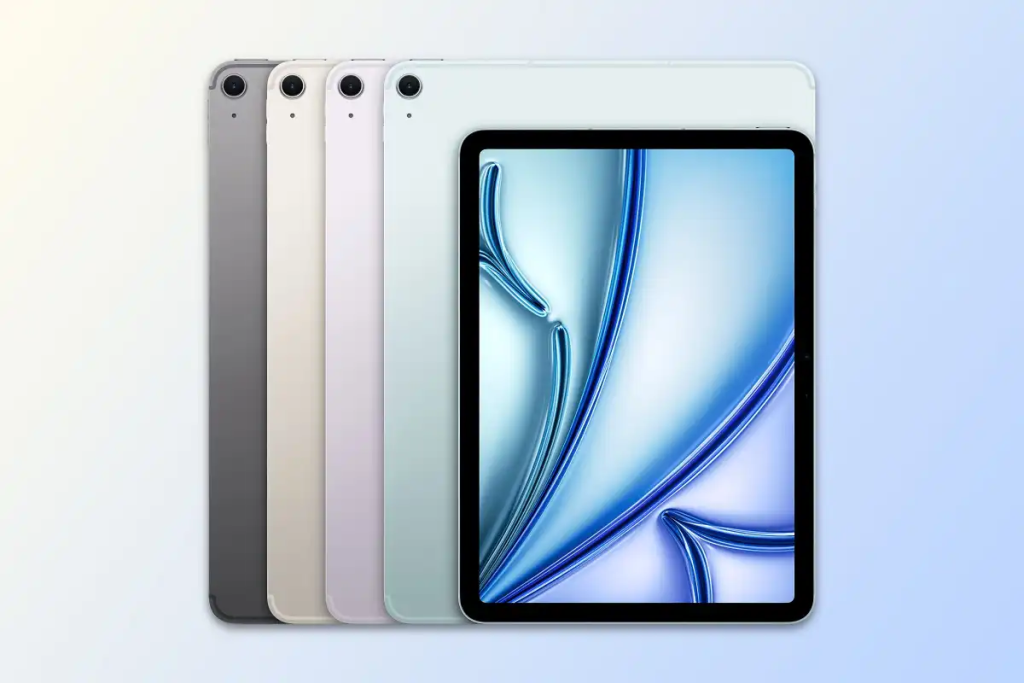
Apple also refreshed the iPad Air with the M4 chip, a move that narrows the performance gap between its mid tier tablet and higher end models. Apple says the new iPad Air starts at 599 dollars for the 11 inch version and 799 dollars for the 13 inch model, with availability beginning on 11 March. The update strengthens the iPad Air’s appeal for students, creators and business users who want more power without moving into iPad Pro pricing.
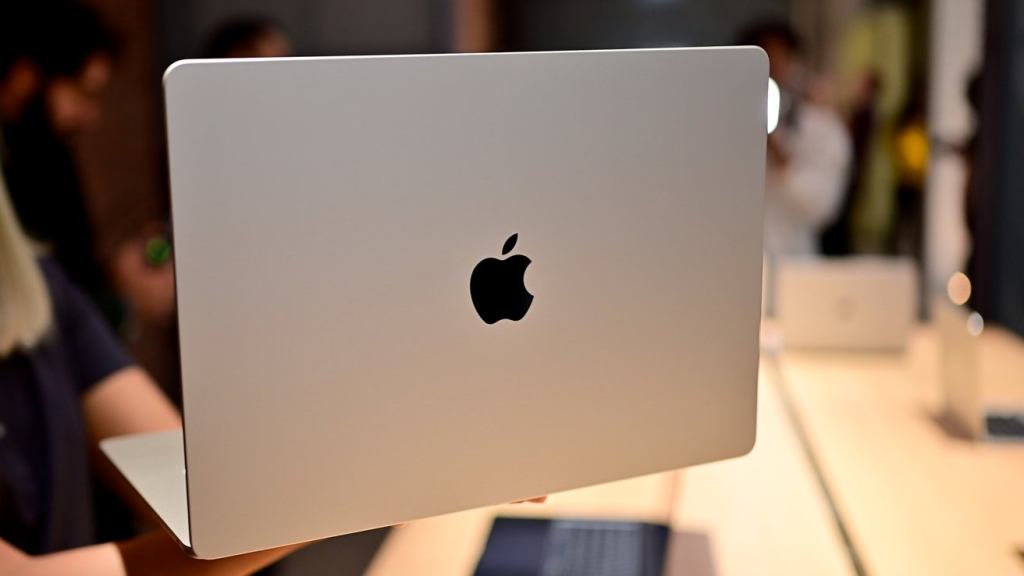
In the MacBook Air range, Apple has introduced the M5 chip and raised the base storage to 512GB. Coverage of the launch says the 13 inch MacBook Air now starts at 1,099 dollars and the 15 inch model at 1,299 dollars. The device also gains Wi Fi 7 and Bluetooth 6, showing Apple’s effort to standardise newer connectivity across the mainstream Mac line.
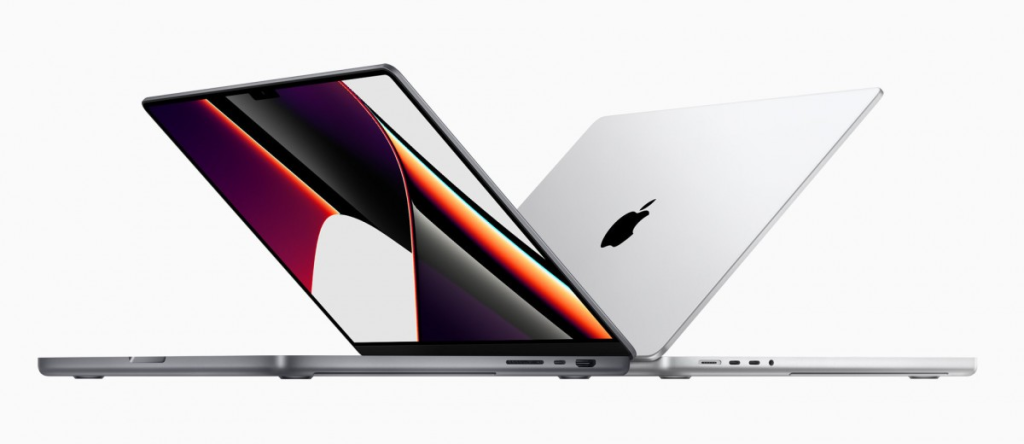
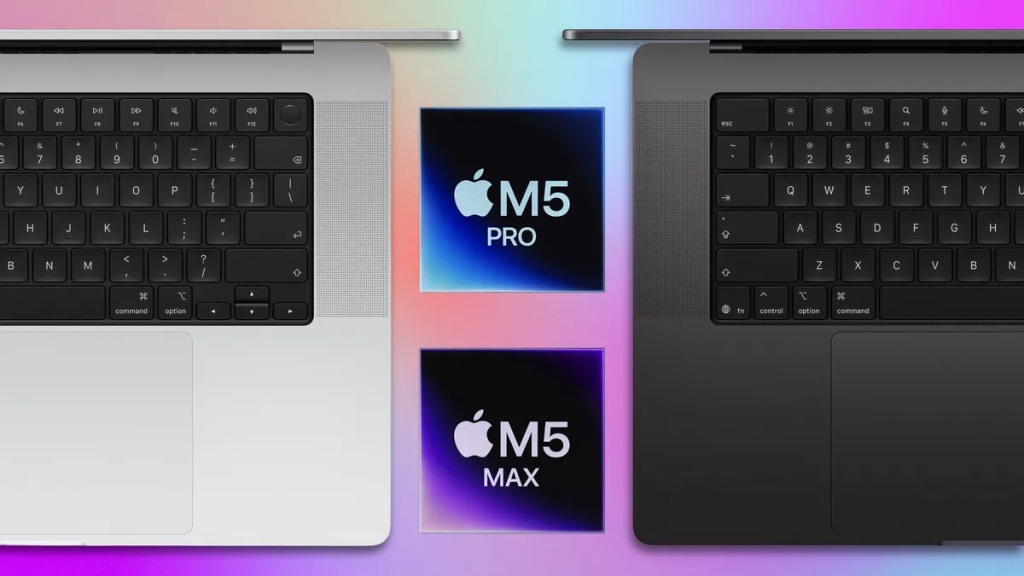
For professional users, Apple has updated the MacBook Pro with M5 Pro and M5 Max chips. Apple says the new models offer Thunderbolt 5, up to 24 hours of battery life, Apple Intelligence features, and availability from 11 March after pre orders opened on 4 March. Reports also indicate Apple has increased base storage on the new MacBook Pro range, reinforcing its push toward heavier local AI, media and development workloads.
Apple has also turned renewed attention to monitors. Its newsroom archive confirms the launch of a new Studio Display and an all new Studio Display XDR on 3 March. Reporting around the release says the upgraded display line introduces stronger pro level features, giving Apple a more complete desktop ecosystem for creative and technical users who pair Mac notebooks or desktops with external screens.

Perhaps the most commercially significant launch is MacBook Neo. Apple announced the product on 4 March, and its newsroom archive lists it as a distinct new device rather than a minor variant. Reports say it starts at 599 dollars and is aimed at students and everyday users, powered by the A18 Pro chip. That gives Apple a new entry point for buyers who may have found the MacBook Air too expensive.

Taken together, the seven product launches show Apple widening its hardware ladder rather than simply refreshing premium devices. The company appears to be targeting three goals at once, defend the entry level, strengthen the middle of the market, and deepen its appeal to pro users. That makes this release cycle more than a routine update. It is a broad effort to tighten Apple’s grip across nearly every major personal computing segment.
Destiny Young, a technology management executive and cybersecurity professional is the Publisher and Chief Content Strategist of AkwaIbomTimes