
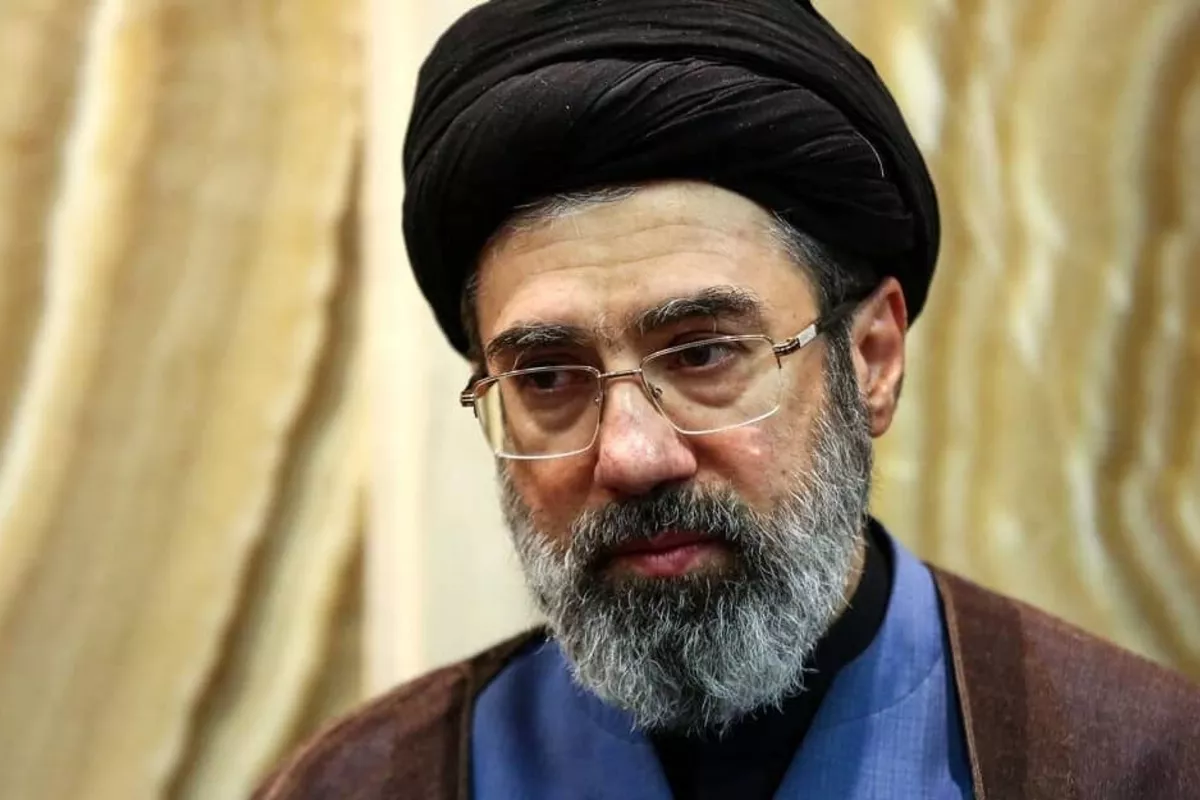

Mojtaba Khamenei, The Quiet Cleric Now at the Centre of Iran’s Power
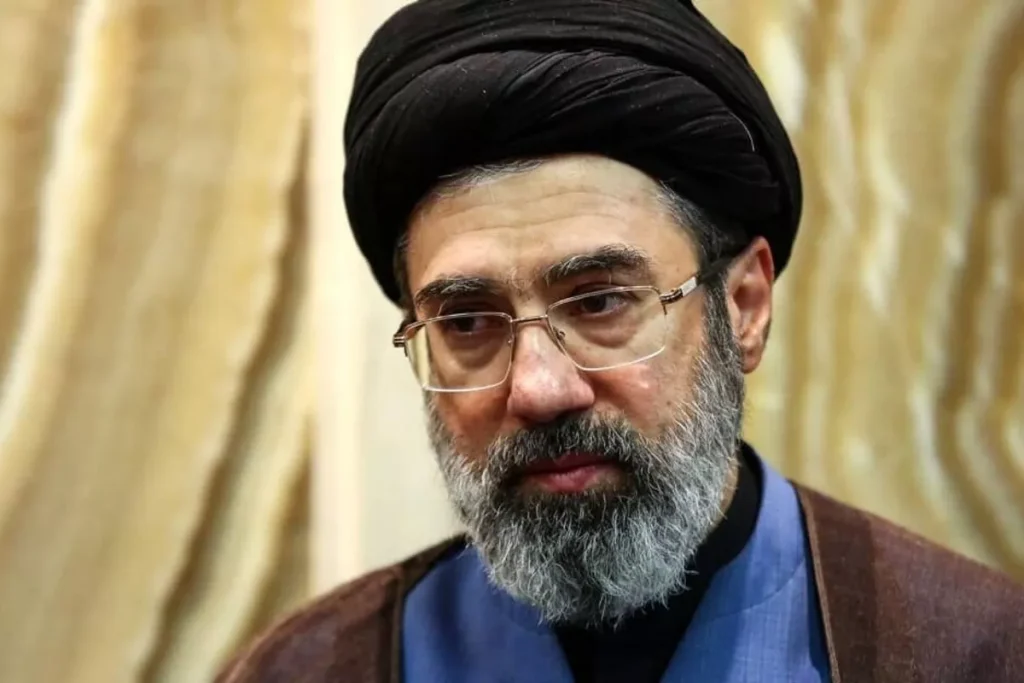
For years, Mojtaba Khamenei was one of the most discussed yet least visible figures in Iranian politics. He rarely appeared in public, held no widely scrutinised elected office, and kept a low profile compared with other senior figures in the Islamic Republic. Yet behind that silence was a man widely believed to wield serious influence inside the Iranian system. Now, with his reported emergence as Iran’s next Supreme Leader, interest in him has intensified across the world.
Mojtaba Khamenei is the son of Ayatollah Ali Khamenei, the long serving Supreme Leader of Iran. That family connection alone made him a figure of interest for many years. But his importance did not rest only on his surname. He was widely seen as part of the inner circle around his father, someone with unusual access to the highest levels of clerical and political authority in Iran. In a system where access often matters as much as office, that made him a powerful figure long before his name moved into open succession conversations.
Born in 1969 in Mashhad, one of Iran’s most important religious cities, Mojtaba grew up during a period of major political upheaval. He witnessed the fall of the Shah, the 1979 Islamic Revolution, and the formation of the Islamic Republic. Like many men of his generation, he also came of age during the Iran, Iraq war, a conflict that shaped the outlook of much of Iran’s present ruling class. That wartime generation often viewed politics through the language of sacrifice, loyalty, ideological struggle, and national survival. Mojtaba’s formative years were shaped by that environment.
Unlike more visible political figures in Iran, Mojtaba Khamenei did not build a public career through ministerial appointments, electoral contests, or high profile speeches. Instead, he followed a clerical path. He studied in religious seminaries and built his standing inside conservative clerical circles, especially in Qom, the centre of Shia scholarship in Iran. He is generally regarded as a mid ranking cleric rather than one of the country’s top religious authorities. That detail has mattered for years because the office of Supreme Leader carries both political power and religious significance. For critics, his clerical rank raised questions about whether he possessed the theological weight traditionally associated with the role.
Still, Iranian power has never rested on religious credentials alone. It also depends on networks, institutions, and control. Mojtaba Khamenei’s rise is often explained through those realities. Over time, he came to be seen as a gatekeeper around his father, someone who helped control access to the Supreme Leader’s office and maintained close links with major regime institutions. This reputation gave him a quiet but serious role in the management of power. He was not the public face of policy, but many observers believed he was involved in the internal machinery that shaped decisions and protected the authority of the ruling establishment.
His name became more widely known during the political tensions that followed the rise of former president Mahmoud Ahmadinejad. Reformist critics accused Mojtaba of backing hard line political forces and of influencing internal political outcomes. During the disputed 2009 presidential election and the protests that followed, his name surfaced frequently in opposition circles. Many Iranians who challenged the state during that period came to see him as one of the symbols of unelected power. Although much of what was said about his precise role remained difficult to verify in public, the perception endured. He was seen as a man with influence, but little accountability.
One of the most important parts of Mojtaba Khamenei’s profile is his reported connection to Iran’s security establishment. His influence has long been linked to institutions such as the Islamic Revolutionary Guard Corps and the Basij. In Iran, those institutions matter deeply. They do not merely perform military or security functions. They are central to regime stability, internal control, and regional strategy. Any figure with strong links to them enters the highest ranks of power with an important base of support. That is one reason Mojtaba was never dismissed as just the Supreme Leader’s son. He was seen as someone rooted in the state’s core power structure.
His reported appointment also raises a larger political question, one that cuts to the heart of the Islamic Republic’s identity. Iran’s revolution overthrew a hereditary monarchy and replaced it with a system that claimed to rest on religious legitimacy and revolutionary values. A father to son transfer of supreme authority, even if carried out through formal institutions, creates an uncomfortable resemblance to dynastic succession. For critics, that undermines the image the Islamic Republic has long projected. It suggests that power in Iran may be more concentrated, more familial, and more insulated from public consent than the state has often claimed.
That is why Mojtaba Khamenei remains such a divisive figure. Supporters within hard line circles are likely to see him as experienced, ideologically dependable, and closely connected to the institutions that keep the state functioning during crisis. They may argue that continuity is essential at a time of severe pressure on Iran, both at home and abroad. Critics, however, are likely to see his rise as confirmation that the country’s most important decisions remain in the hands of a narrow inner circle. To them, his emergence represents not renewal, but closure.
Another striking feature of Mojtaba Khamenei’s rise is how little the wider public knows about him compared with the scale of the office he is set to occupy. He has not built a broad public image in the way many world leaders do. There are few major speeches, few public interviews, and little visible political engagement with ordinary citizens. He has largely remained an elite figure, known through reports, rumour, internal influence, and state power rather than through direct public persuasion. That makes his transition into the highest office especially significant. It moves a man of quiet influence into a role that commands intense public and international attention.
If he now leads Iran, he inherits a state under immense strain. Iran faces economic difficulties, regional confrontation, sanctions pressure, domestic dissatisfaction, and growing scrutiny from abroad. Leading such a state requires more than elite backing. It requires the ability to manage competing factions, maintain institutional loyalty, and project authority at home and overseas. Mojtaba Khamenei’s supporters may believe his years inside the system prepared him for that task. His critics will argue that a background built in secrecy may not translate easily into the demands of open national leadership.
Who, then, is Mojtaba Khamenei. He is a cleric shaped by revolution and war. He is the son of Iran’s most powerful modern leader. He is a figure long associated with influence behind the scenes, especially within the conservative and security wings of the Islamic Republic. He is also a deeply controversial symbol of how power works in Iran, concentrated, guarded, and often removed from public scrutiny.
His rise matters because it says as much about Iran’s system as it does about the man himself. It suggests continuity in ideology, continuity in elite control, and continuity in the central role of the security establishment. At the same time, it opens a new chapter in Iran’s history, one in which a man who spent years in the background must now carry the full weight of the state in the open.