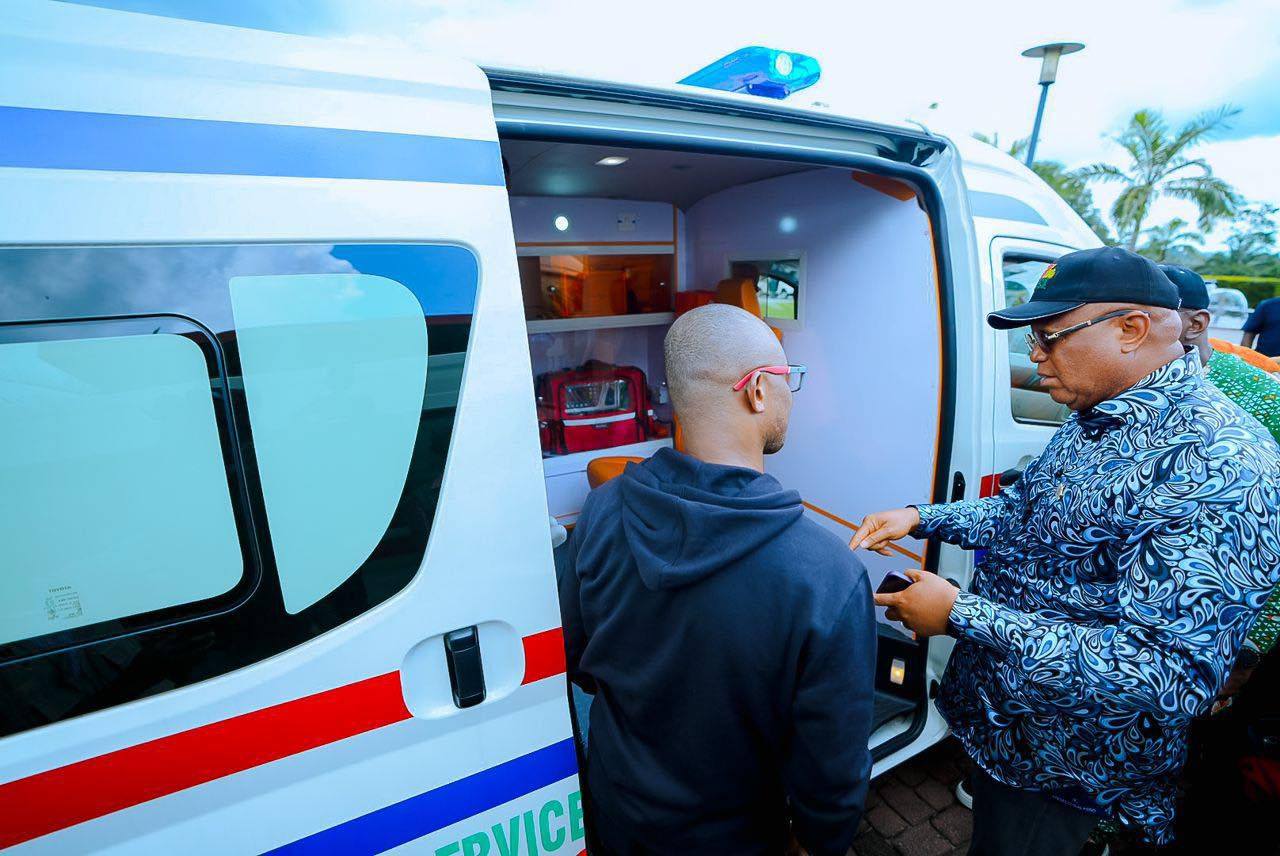

Uyo – Akwa Ibom State has strengthened its emergency healthcare system with expanded ambulance coverage, upgraded facilities, and faster response coordination across both urban centres and rural communities.
Health officials say the state’s emergency medical response network has grown significantly in recent years, with more ambulances deployed to strategic locations in Uyo and across several local government areas. The expansion is designed to reduce response times and improve survival outcomes during medical emergencies.
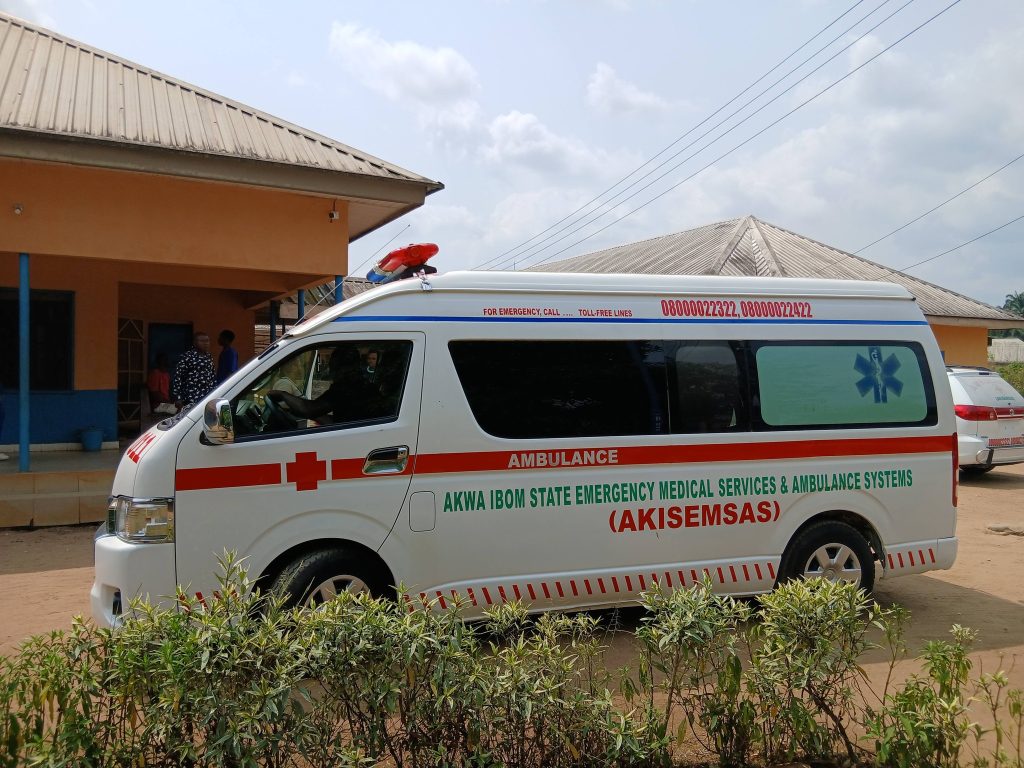

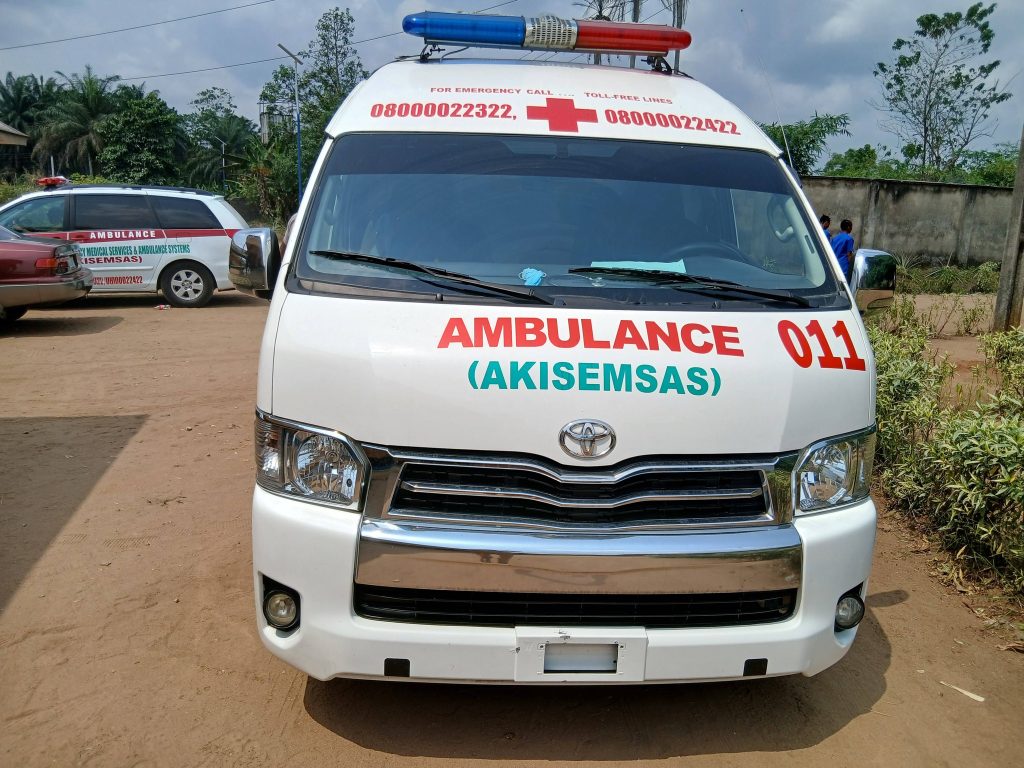
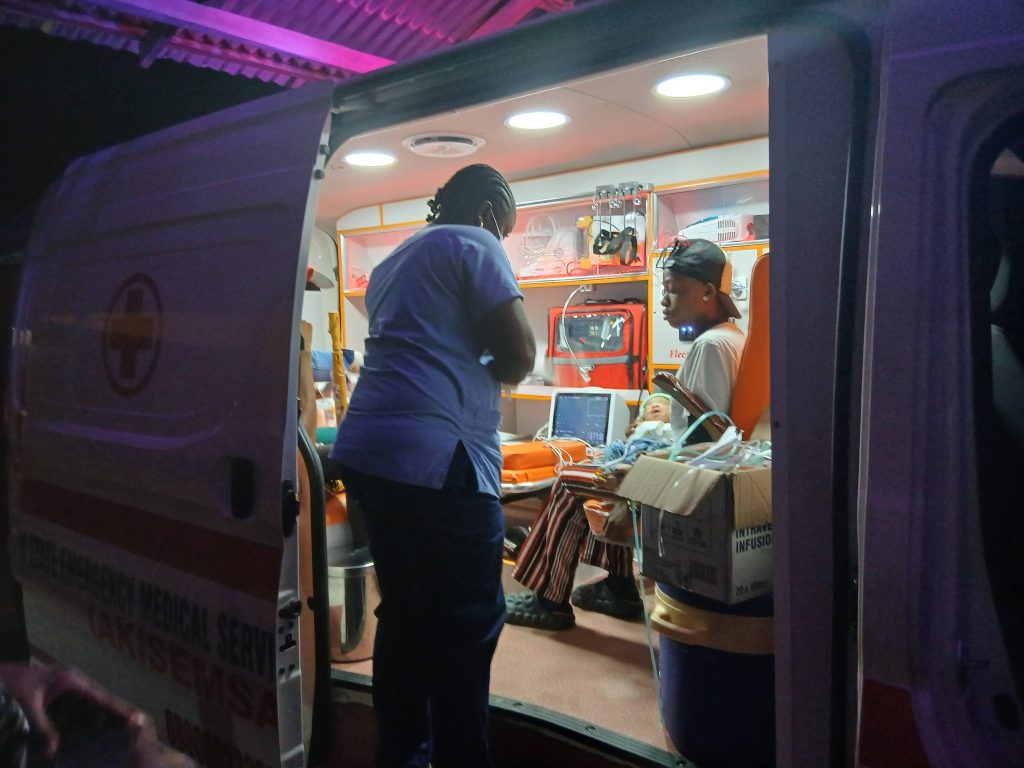
In the state capital, Uyo, ambulances are now positioned closer to high traffic corridors and densely populated districts. This allows rapid intervention in cases such as road accidents, sudden medical collapse, and maternal emergencies. Rural communities that previously relied on distant facilities now have improved access to emergency transport services.
Beyond ambulance deployment, the government has invested in upgrading general hospitals and selected primary healthcare centres. These facilities have received new equipment, improved power supply systems, and essential medical consumables. The upgrades aim to ensure that patients transported during emergencies receive immediate and adequate treatment upon arrival.
The state has also prioritised workforce strengthening. Additional doctors, nurses, and paramedics have been recruited, while existing personnel undergo periodic training to improve clinical response, triage efficiency, and emergency stabilisation procedures. Health authorities report that structured coordination between ambulance teams and hospital units has reduced delays in patient handover.
Community awareness campaigns have complemented the physical expansion of services. Residents are encouraged to use official emergency lines and report critical incidents promptly. This public engagement strategy seeks to improve early reporting and optimise response effectiveness.
Health sector observers note that expanding emergency coverage across rural communities reduces inequality in access to urgent care. In many remote areas, delayed transportation has historically contributed to preventable complications. The current expansion is expected to narrow that gap and improve overall health outcomes.
Officials describe the initiative as part of a broader commitment to strengthening public health infrastructure and protecting lives. With improved mobility, better equipped facilities, and trained personnel, Akwa Ibom’s emergency healthcare network is positioning itself to deliver faster and more reliable intervention across the state.