
By | AkwaIbomTimes Editorial
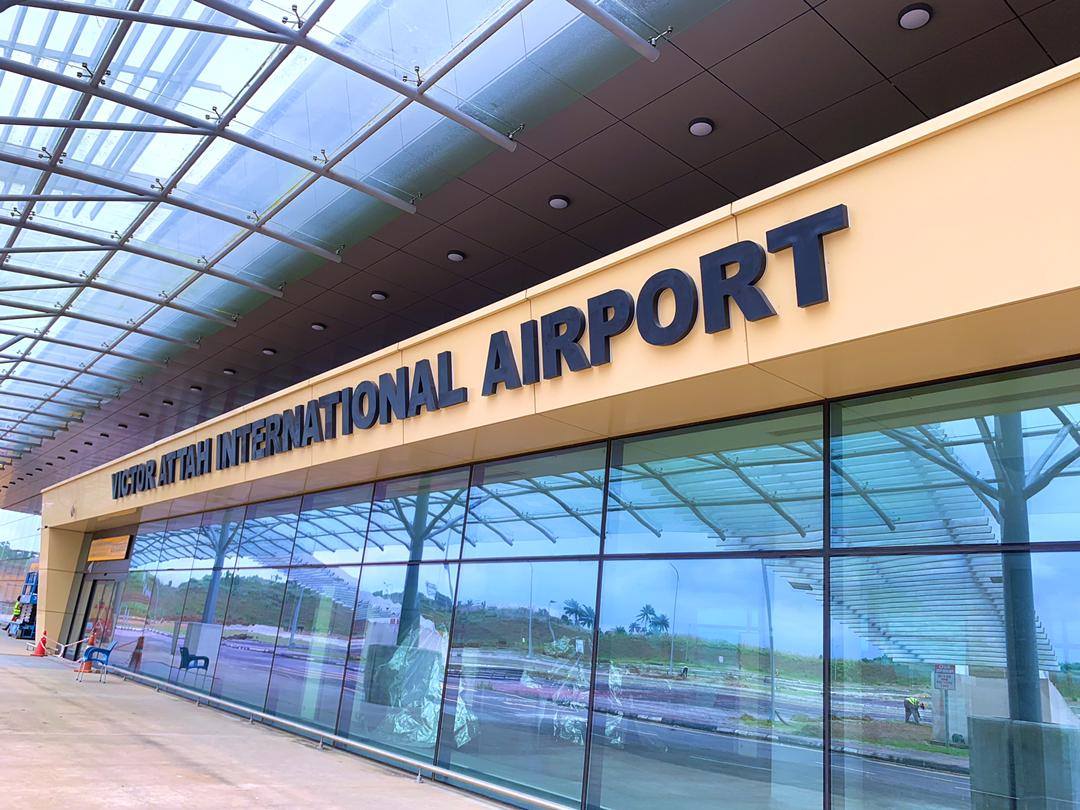
Akwa Ibom State has reached a decisive moment in its development story. The expansion and modernisation of Victor Attah International Airport in Uyo stands out as a strategic initiative with the capacity to reshape the state economy, deepen regional integration, and unlock opportunities for ordinary citizens. This is not an isolated project. It sits firmly within a deliberate trajectory of growth that has seen Akwa Ibom invest steadily in infrastructure, human capital, and institutional stability over the past two decades.
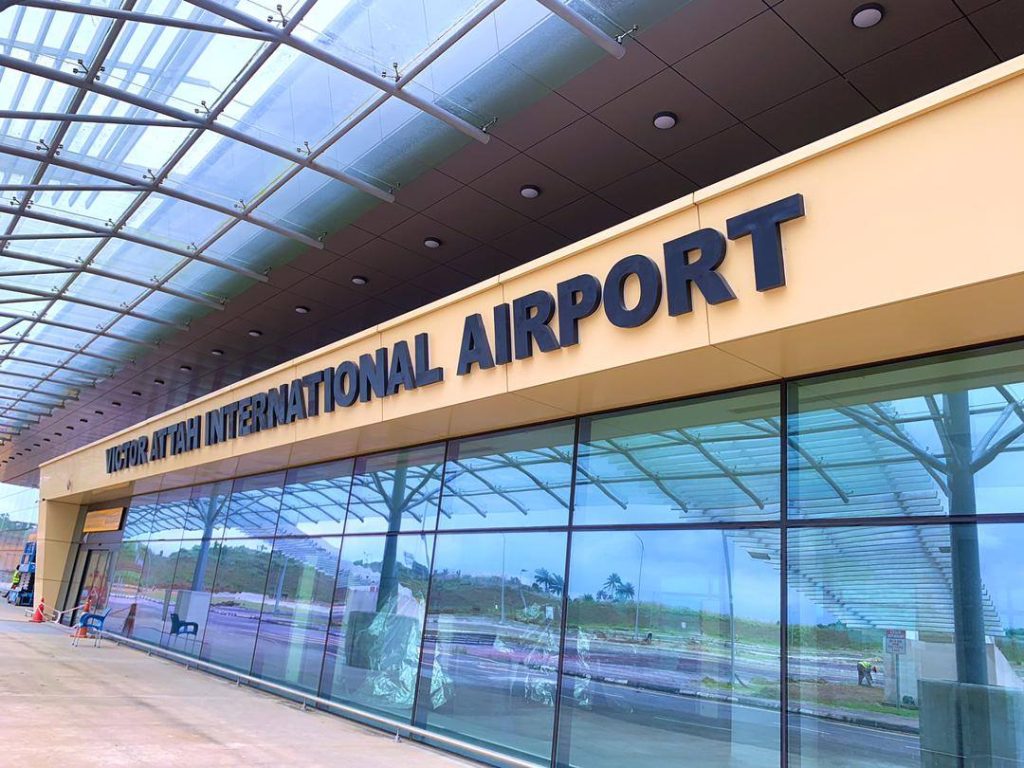
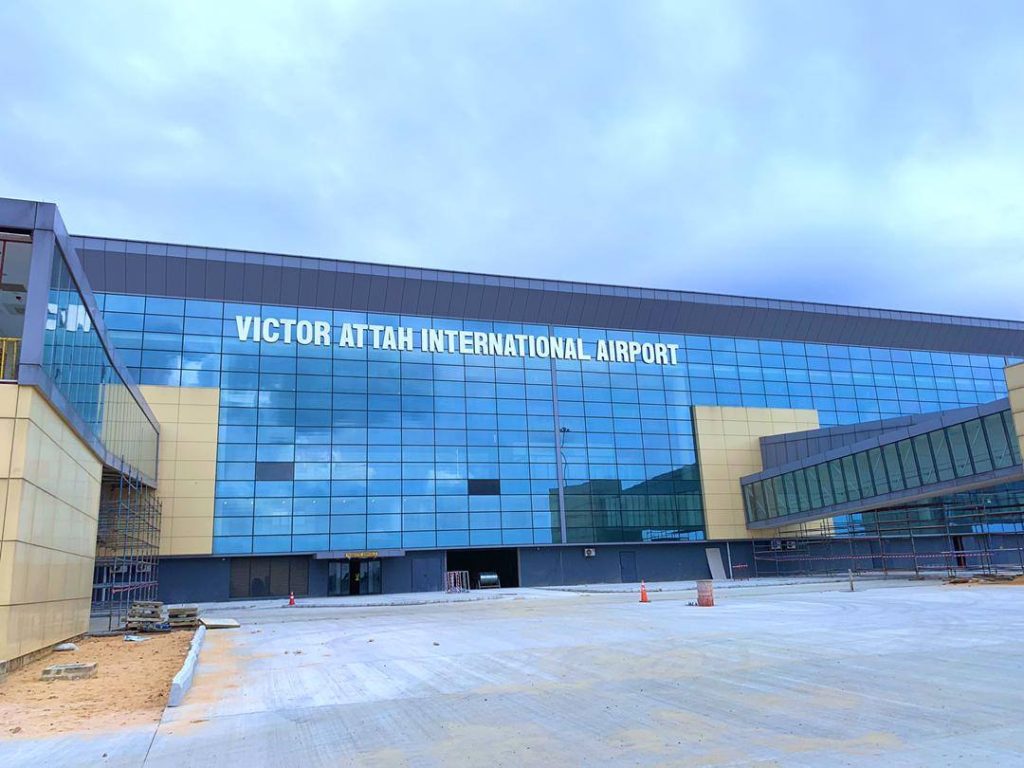
The airport expansion reflects a clear understanding of how modern economies function. Aviation infrastructure is no longer a luxury. It is a backbone for trade, tourism, investment, and services. By upgrading runway capacity, terminal facilities, cargo handling, and safety systems, Akwa Ibom positions itself as a serious gateway in the South South region. This builds on earlier gains in road networks, power support, and urban planning, and signals continuity rather than disruption in the state’s development approach.

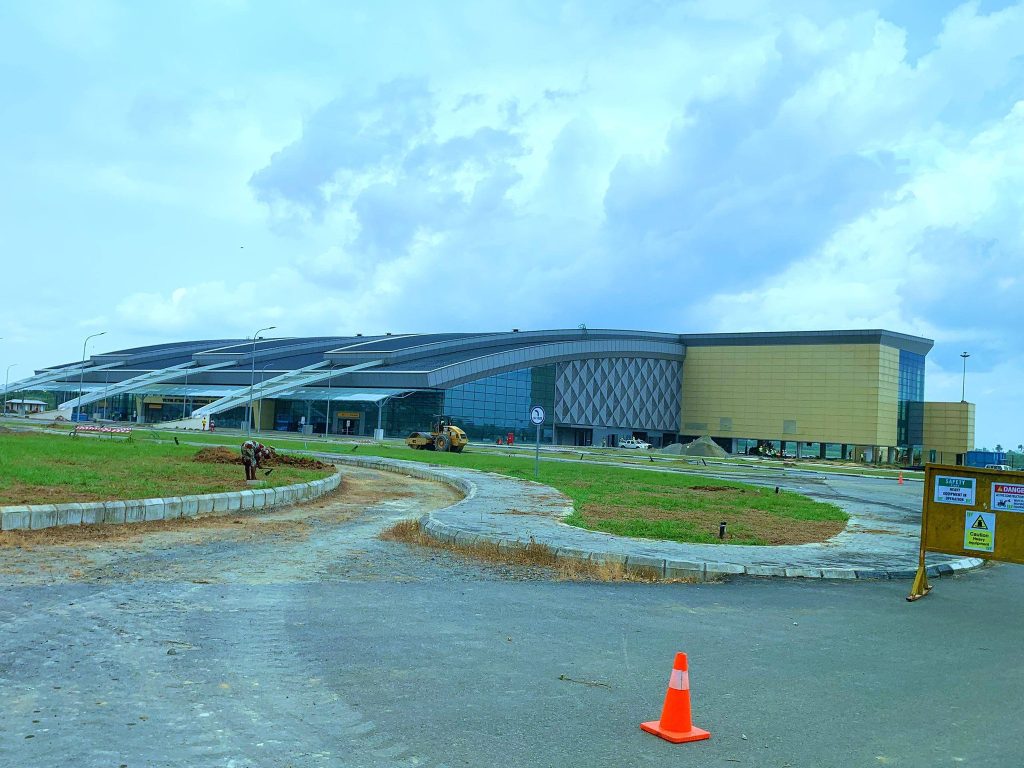


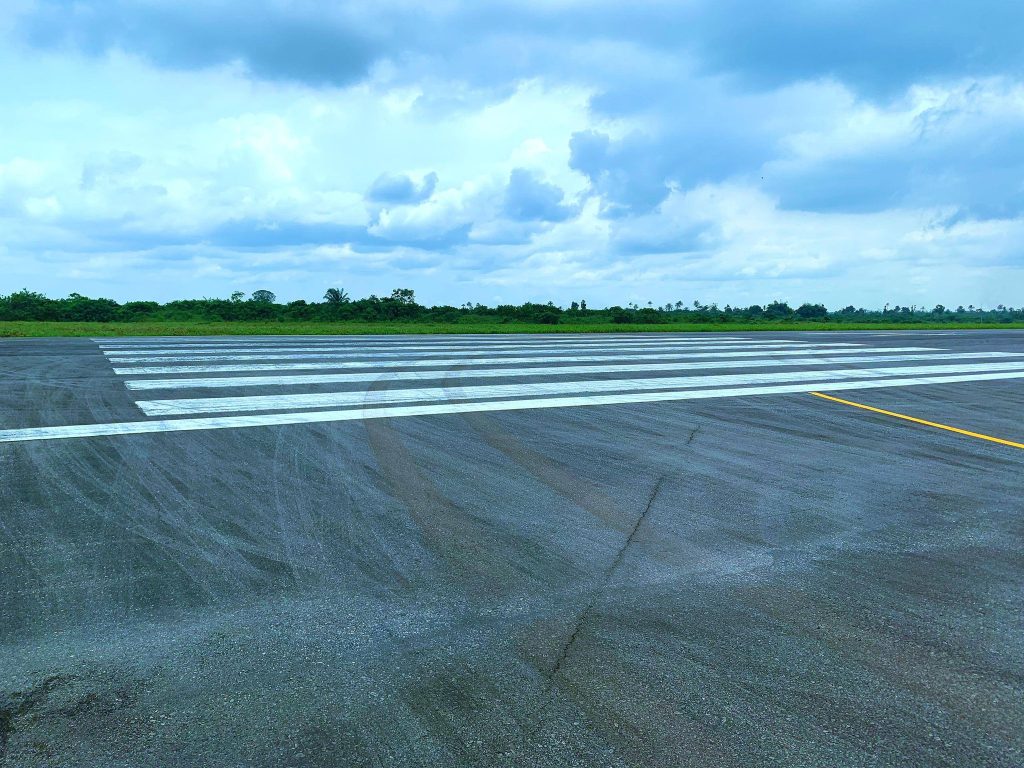
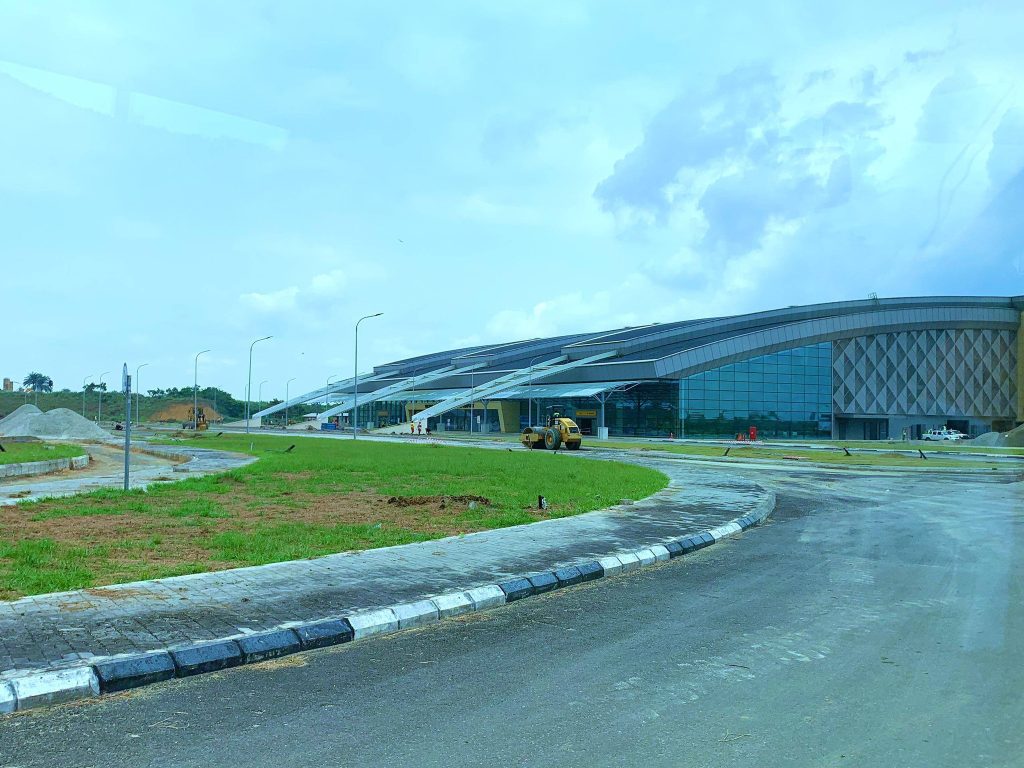
Governor Umo Eno has anchored this initiative within his ARISE Agenda, which prioritises agricultural development, rural inclusion, infrastructure, security, and education. Aviation expansion supports each of these pillars. Improved air connectivity shortens the distance between farms and markets, between classrooms and global knowledge centres, and between local enterprises and international partners. It also reinforces security and emergency response capacity through faster mobility and coordination.
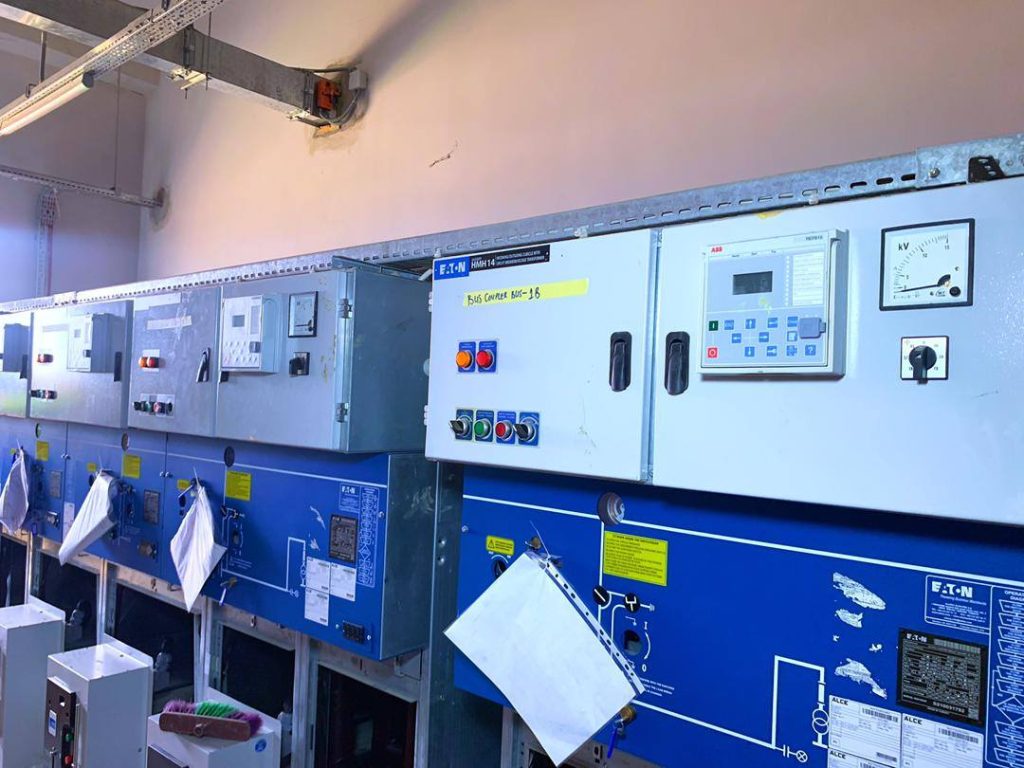
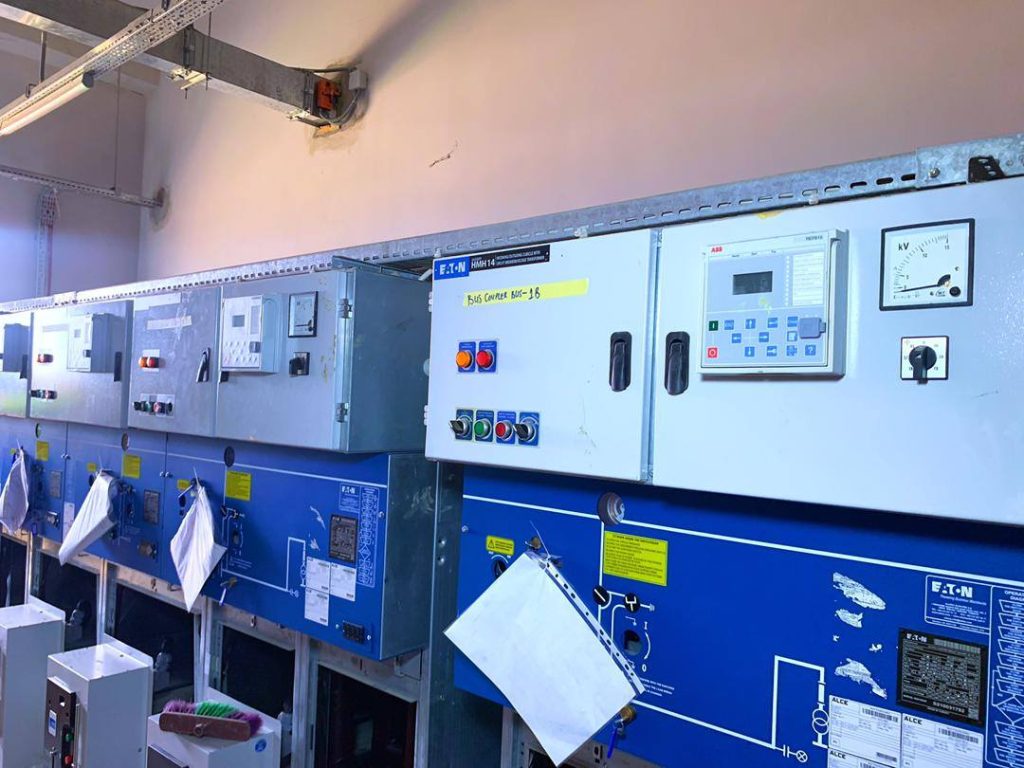
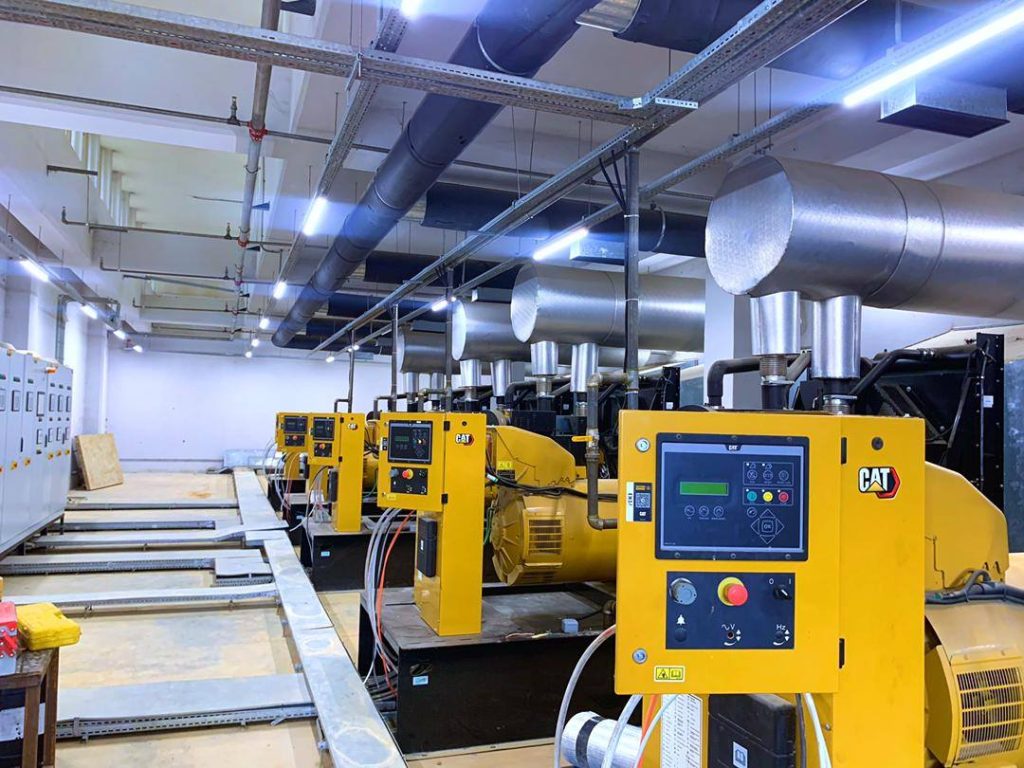

For citizens, the benefits are tangible. Construction and allied services generate direct jobs, while expanded airport operations create long term employment in aviation services, logistics, hospitality, retail, and maintenance. Small businesses gain access to larger markets as passenger traffic increases and cargo facilities improve. Farmers and agro processors benefit from faster export routes for perishable goods. Young people trained in engineering, information technology, and service management find new pathways for skilled employment without leaving the state.
Improved aviation infrastructure also strengthens the rural urban balance. When investors can reach Akwa Ibom easily, they are more likely to site projects outside the capital, linking rural communities to value creating activities. This reduces pressure on urban centres while spreading income and services across the 31 local government areas. It aligns with the state’s broader goal of inclusive growth, where development does not concentrate in a few enclaves but reaches communities consistently.
Investor confidence responds strongly to signals of seriousness and predictability. An efficient international airport communicates that the state understands global standards and is prepared to meet them. It lowers transaction costs, improves risk perception, and complements policies that support private enterprise. In a competitive national environment, this matters. Capital flows towards places that combine infrastructure, policy clarity, and social stability.
Critics have raised concerns about cost and prioritisation. Some argue that resources should focus more narrowly on healthcare, education, or rural roads. This concern deserves respect. Public funds must always face scrutiny. Yet the argument assumes a false choice. Aviation infrastructure does not crowd out social investment when planned responsibly. Instead, it enables it. Increased economic activity expands the revenue base that funds hospitals, schools, and community services. Moreover, Akwa Ibom has continued to invest in primary healthcare centres, education upgrades, and rural roads alongside the airport project. The development record shows balance rather than neglect.
Fiscal responsibility remains central. The airport expansion has been approached in phases, with attention to value for money and long term operating viability. This reduces the risk of white elephant projects that burden future budgets. It also reflects lessons learned from past national experiences, where infrastructure without demand planning struggled. By aligning expansion with projected traffic growth and regional demand, the state demonstrates prudence rather than exuberance.
Equally important is stakeholder engagement. Town square meetings and consultations with traditional institutions, business groups, youth organisations, and professional bodies have created space for feedback and shared ownership. This approach builds trust and improves implementation quality. When citizens understand why a project matters and how it fits into a wider plan, support deepens and resistance fades.
The expansion of Victor Attah International Airport is therefore more than an aviation project. It is a statement of intent. It says Akwa Ibom is open for business, committed to its people, and confident in its future. It reinforces a development path that values continuity, planning discipline, and inclusion.
Sustaining these gains requires collective effort. Citizens must hold leaders accountable while supporting initiatives that deliver shared benefits. The private sector should step forward with investment, skills, and innovation that maximise the infrastructure now being put in place. Federal partners have a role in policy alignment, regulatory support, and complementary infrastructure that strengthens national connectivity.
Akwa Ibom’s development drive deserves consolidation, not cynicism. The airport expansion shows what is possible when vision meets execution. With sustained support, it can help secure a more prosperous, connected, and resilient future for the state and its people.