
By | Destiny Young
The Federal Government has set up a Ministerial Implementation and Monitoring Committee to drive a major upgrade of engineering workshops and laboratories across federal polytechnics, with a new focus on allowing graduates to earn both academic and nationally recognised skills certificates.
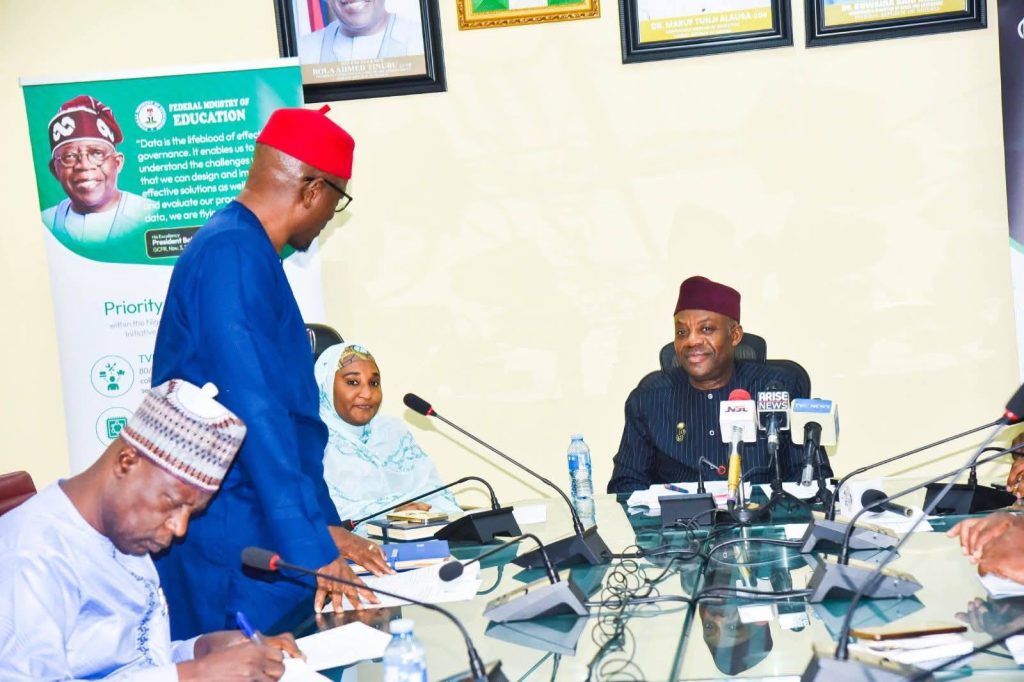
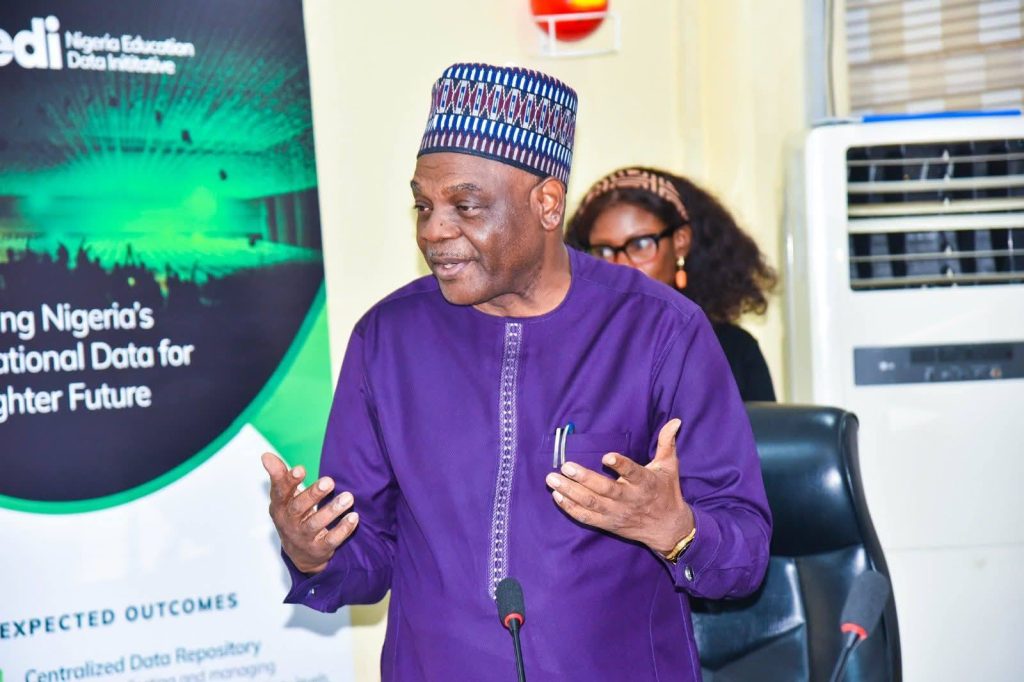
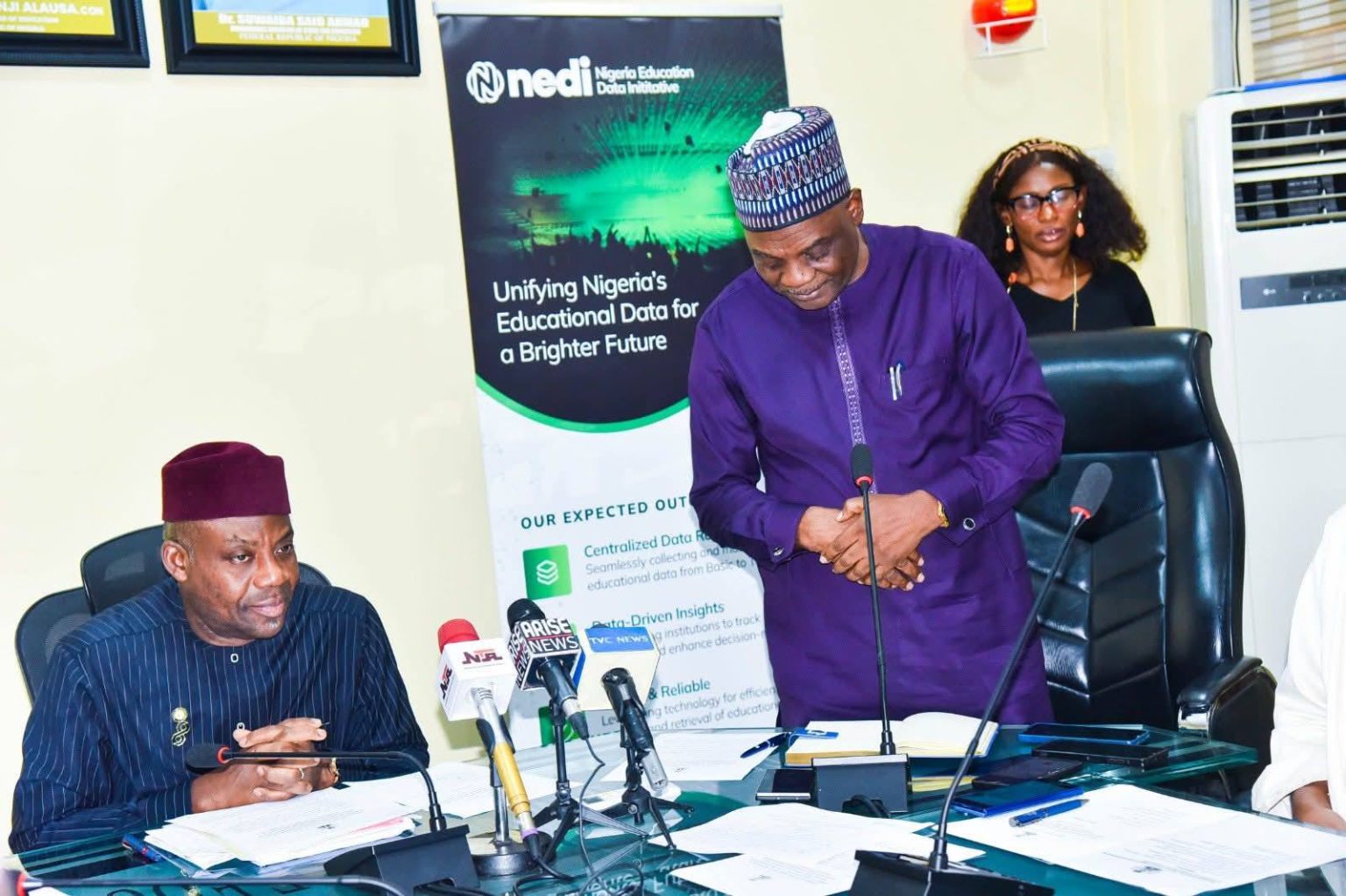
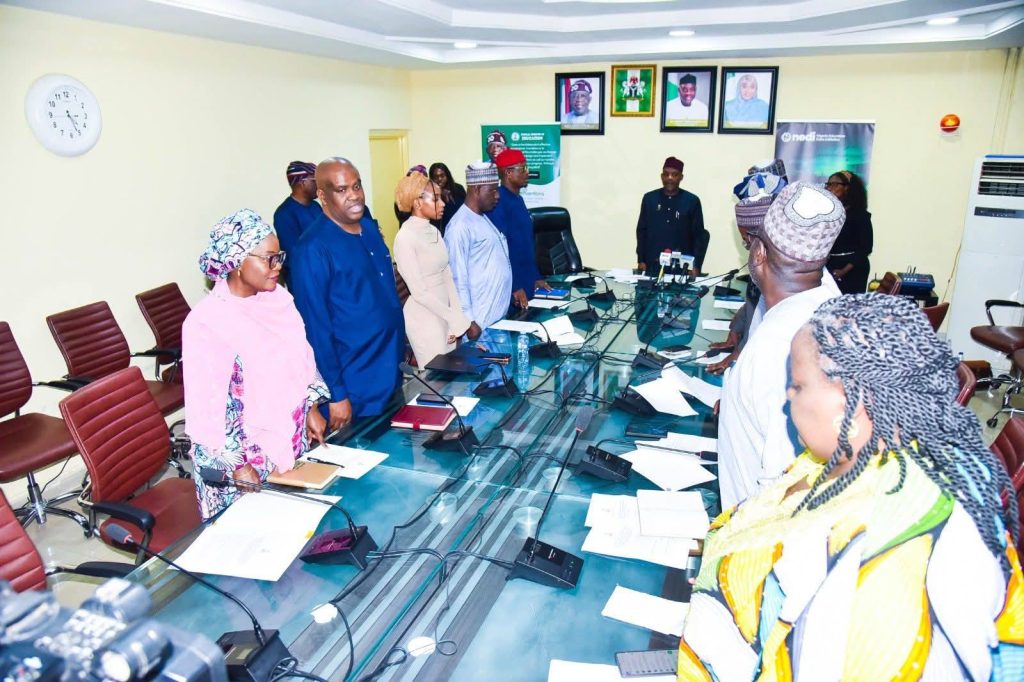
The committee was inaugurated in Abuja by the Minister of Education, Dr Maruf Tunji Alausa, who described the intervention as central to efforts to strengthen technical education and improve graduate employability.
Under the second phase of the Skills G programme, the government will overhaul laboratory infrastructure in 37 polytechnics. The project, funded by the Tertiary Education Trust Fund, will replace outdated equipment and introduce modern engineering facilities aligned with current industry standards.
Priority areas include mechatronics, robotics, renewable energy, telecommunications, electronics and automobile engineering. The reforms will also introduce dual certification pathways. This framework will allow students to graduate with National Diploma or Higher National Diploma qualifications alongside recognised National Skills Qualification certificates.
Education officials said the approach is designed to bridge the gap between classroom instruction and workplace requirements, while expanding practical training opportunities for students.
The implementation committee is chaired by the Executive Secretary of the National Board for Technical Education, Professor Idris Muhammad Bugaje. Its mandate includes supervising project execution, ensuring compliance with established procedures, keeping detailed records and recommending institutions for the third phase of the programme scheduled for 2026.
The Ministry of Education stated that the initiative forms part of wider reforms aimed at equipping young Nigerians with industry relevant competencies and strengthening the country’s technical workforce.