


A foreign Head of State is granted a State Visit to the UK only when three conditions are met:
✅ The UK Government, through the Foreign, Commonwealth and Development Office, recommends the invitation.
👑 The King approves it.
🌍 The visit serves a major UK strategic, diplomatic, economic, or security interest.
Only two incoming State Visits are normally hosted each year, which makes the process highly selective.
👥 Who decides
According to the House of Commons Library and the Royal Household, the process involves both the UK Government and the Monarch.
🏛️ Foreign, Commonwealth and Development Office
✅ Identifies countries that are strategically important to the UK
✅ Advises the King on who should be invited
✅ Prepares the diplomatic justification for the visit
👑 The King
✅ Formally issues the invitation
✅ Hosts the State Visit
The King does not choose guests independently. He acts on the advice of the UK Government.
📌 Criteria for a UK State Visit
The UK generally uses five main criteria to decide whether a foreign Head of State qualifies.
⭐ 1. Strategic importance to the UK
This is the most important factor. A State Visit is considered when the UK wants to strengthen:
🛡️ Defence partnerships
💷 Trade and investment
🔐 Security cooperation
⚡ Energy relationships
🌐 Regional influence
🤝 Commonwealth ties
Examples:
🇰🇷 South Korea, security and trade
🇯🇵 Japan, Indo-Pacific strategy
🇳🇬 Nigeria, Commonwealth and economic ties
🇶🇦 Qatar, energy and investment
⭐ 2. Quality of bilateral relations
The UK usually grants State Visits to countries with:
🤝 Stable diplomatic relations
✅ No major sanctions or disputes
👔 Mutual respect at Head-of-State level
If relations are strained, a State Visit is unlikely.
⭐ 3. Status of the visitor
Only Heads of State qualify, such as:
👔 Presidents
👑 Kings and Queens
🏰 Emirs
🏵️ Sultans
📜 Governors-General for Commonwealth realms
Prime Ministers do not receive State Visits. They usually receive Official Visits or Working Visits.
⭐ 4. Timing and diplomatic rotation
The UK avoids:
🌍 Hosting too many visits from one region within a short period
🕒 Inviting countries that recently had a State Visit
📅 Exceeding the normal limit of two incoming State Visits per year
This helps maintain diplomatic balance.
⭐ 5. UK domestic and international priorities
A State Visit may be used to:
💼 Announce major trade deals
🎯 Support UK foreign policy goals
🤝 Strengthen alliances
🎉 Mark anniversaries or milestones
🌐 Reinforce Commonwealth unity
If the visit does not advance UK interests, it is unlikely to be approved.
🏰 What a State Visit includes
A State Visit is the highest honour the UK can extend to a foreign leader. It typically includes:
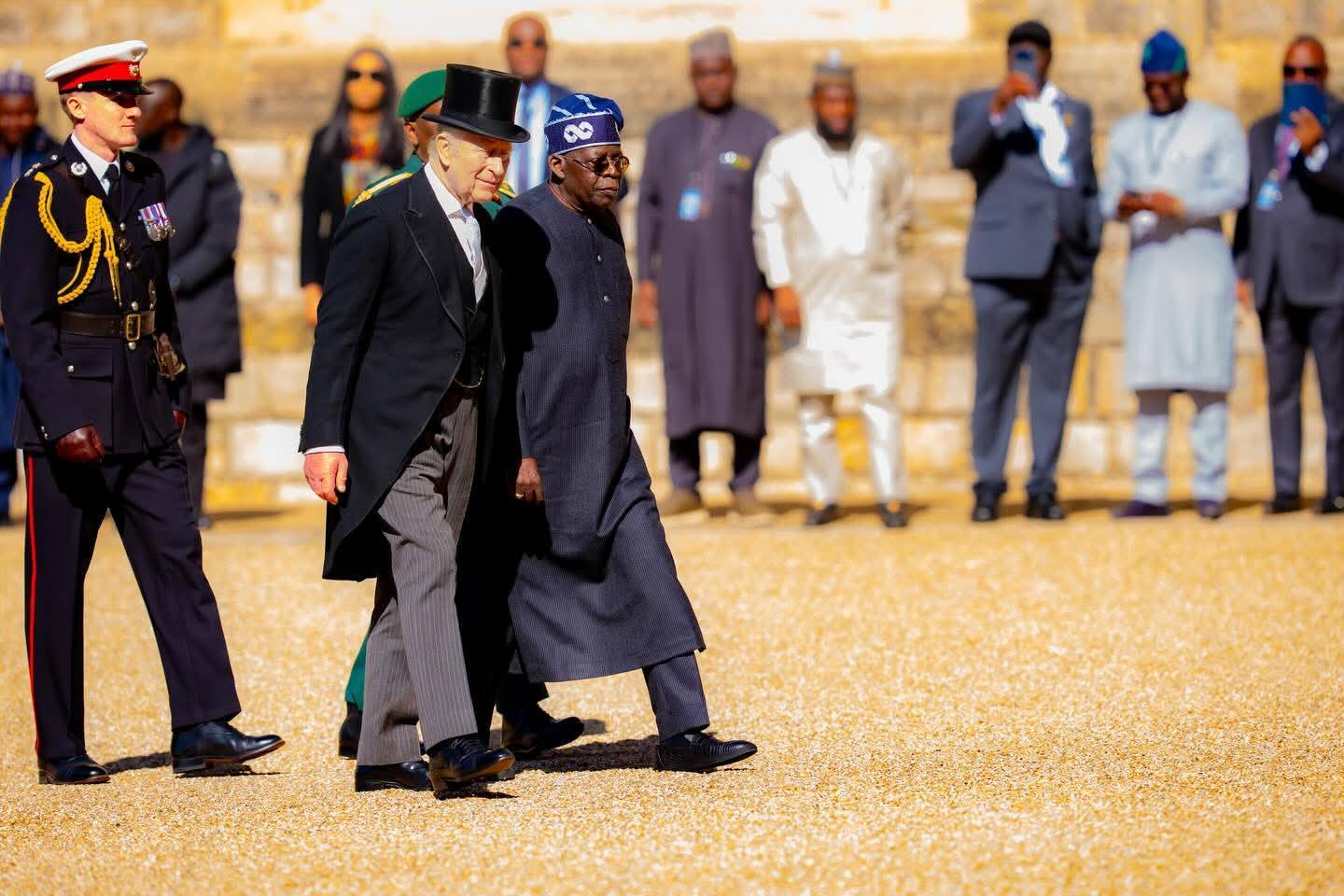
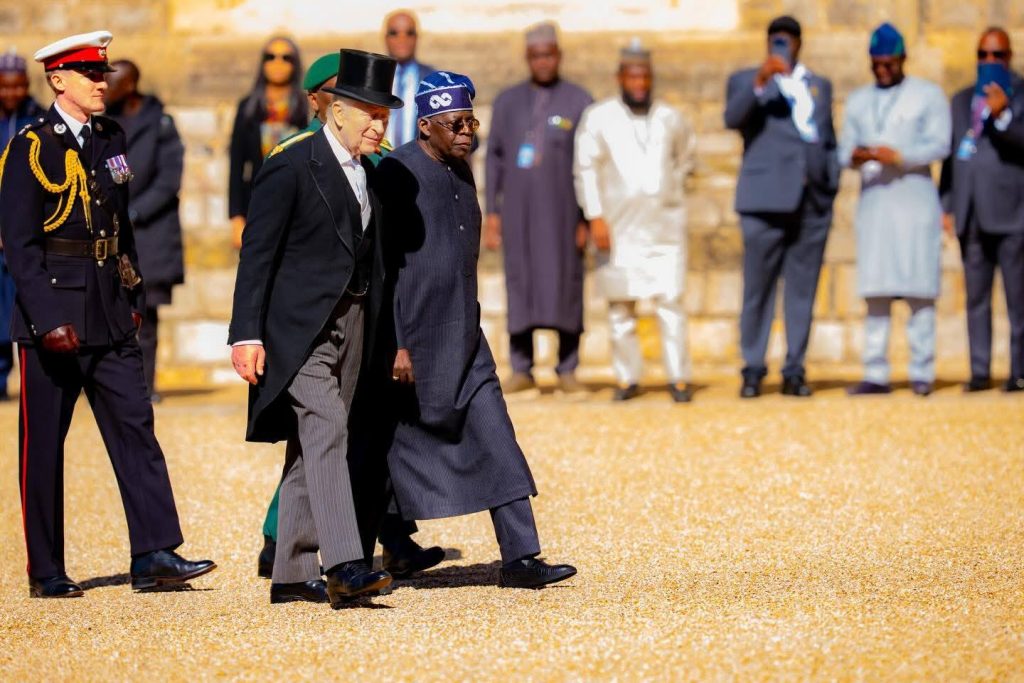
🎖️ Ceremonial welcome at Horse Guards Parade
🐎 Carriage procession with the King
🍽️ State Banquet at Buckingham Palace or Windsor Castle
🏛️ Address to Parliament, where applicable
🪖 Military honours
👑 Full royal protocol
Because of the cost, security demands, and prestige involved, the UK limits these visits to two incoming State Visits a year.
🚫 Who does not qualify
A Head of State is unlikely to be offered a State Visit if:
❌ Relations with the UK are poor
❌ The country is under sanctions
❌ There are major human rights concerns
❌ The UK wants to avoid political controversy
❌ The visitor is not a Head of State, such as a Prime Minister
❌ The UK has hosted them recently
📍 Examples of why certain leaders were chosen
🇿🇦 South Africa, 2022
✅ Strengthening Commonwealth ties
✅ Supporting post-pandemic economic cooperation
🇰🇷 South Korea, 2023
✅ Advancing defence and semiconductor partnerships
🇯🇵 Japan, 2024
✅ Aligning on Indo-Pacific strategy
🇳🇬 Nigeria, 2026
✅ Reinforcing Commonwealth leadership
✅ Strengthening trade, energy, and diaspora ties
These examples were selected because they aligned with the UK’s strategic criteria.