

This assessment frames the scale of the moment.
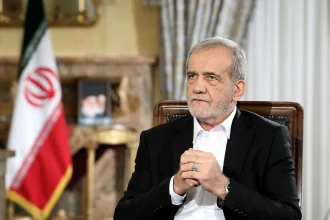
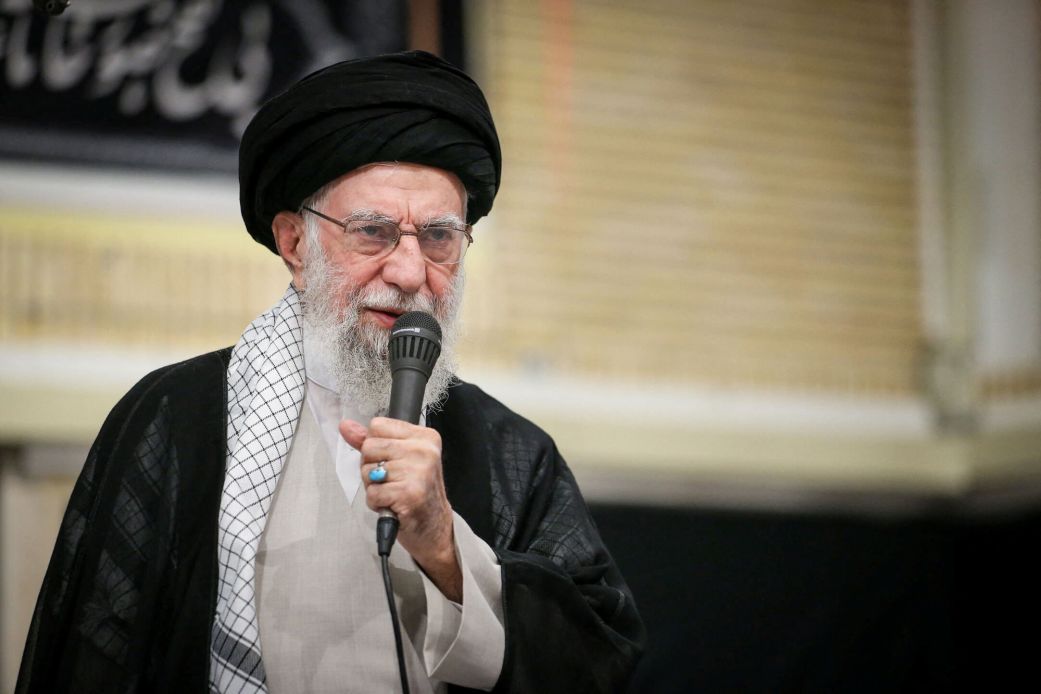
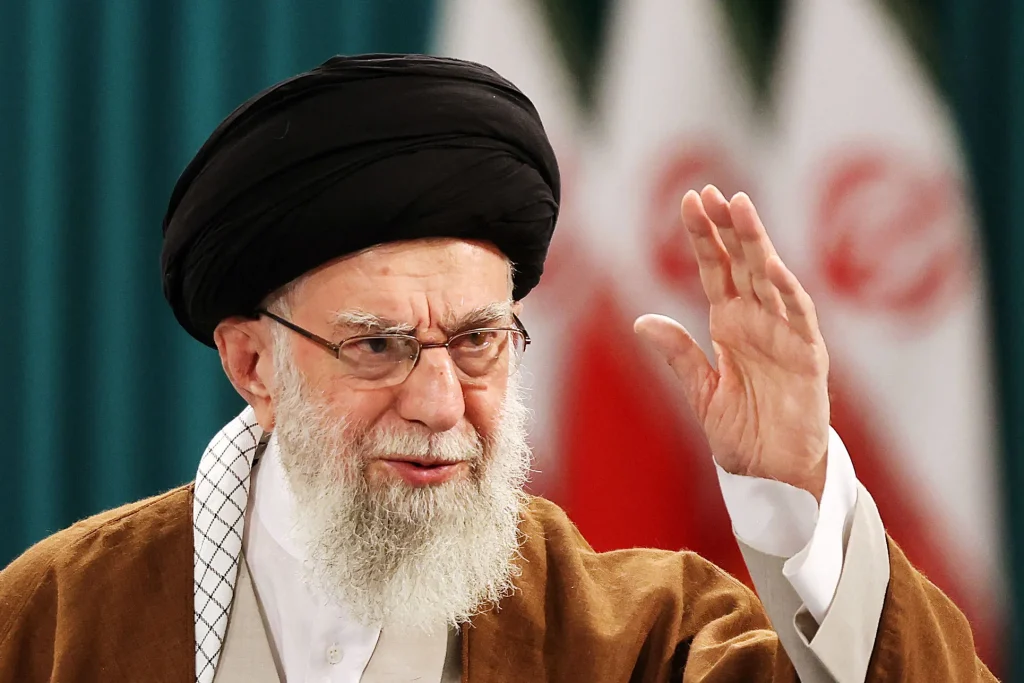
“The death of Ayatollah Ali Hosseini Khamenei, who ruled Iran as supreme leader since 1989, with firm control, confronting the United States and Israel while suppressing dissent and overseeing a contentious nuclear programme, marks a major turning point for Iran and the broader region.
This assessment frames the scale of the moment. For more than three decades, Khamenei sat at the apex of Iran’s political and security architecture. He shaped doctrine, approved strategic red lines, and mediated factional disputes. His authority anchored the system.
His absence introduces structural uncertainty.
Power Architecture and Succession Dynamics
Iran’s model concentrates ultimate authority in the office of the Supreme Leader. The presidency, parliament, and judiciary operate within that framework. Strategic coherence depended on a single centre of gravity.
The Assembly of Experts now holds constitutional responsibility to appoint a successor. However, formal process does not eliminate political friction.
Key pressure points include:
• Rivalry among conservative clerical blocs
• Expanding influence of the Islamic Revolutionary Guard Corps
• Public dissatisfaction driven by inflation and sanctions
• Generational divides within the political elite
If elites maintain cohesion, transition could remain contained. If internal competition intensifies, instability may follow.
Nuclear Posture and Strategic Signalling
Under Khamenei, Iran advanced uranium enrichment while avoiding outright weaponisation. This calibrated approach created leverage without triggering full scale war.
Three scenarios now stand out:
• Policy continuity with controlled enrichment and limited negotiation
• Strategic escalation to consolidate domestic authority
• Renewed diplomatic engagement to ease economic pressure
Each path carries regional consequences. Any rapid expansion of nuclear activity would heighten tensions with Israel and the United States.
Regional Influence and Proxy Networks
Iran built layered influence across Iraq, Syria, Lebanon, and Yemen. This asymmetric strategy reduced direct confrontation while expanding reach.
Post transition, observers will monitor:
• Command cohesion across allied armed groups
• The ability of Tehran to sustain funding under sanctions
• Signals of restraint or assertiveness toward regional rivals
Perceived weakness could invite pressure. Overcompensation could raise confrontation risk.
Energy Markets and Global Spillover
Iran holds significant hydrocarbon reserves. Even under sanctions, geopolitical shifts tied to Tehran affect global energy sentiment.
Immediate risks include:
• Oil price volatility
• Maritime tension near the Strait of Hormuz
• Diplomatic repositioning among major powers
Markets react to uncertainty as much as disruption. Leadership transition amplifies both.
Strategic Inflection Point
Calling this moment a turning point reflects institutional reality. Iran’s governance revolves around concentrated authority. Removing that centre tests system resilience.
If succession preserves unity and policy coherence, change may unfold gradually. If elite consensus fractures, internal pressure could combine with external rivalry to reshape regional security.
This assessment frames more than a leadership change. It signals a stress test for Iran’s political structure and for the balance of power across the Middle East.