
Tehran, 1 March 2026
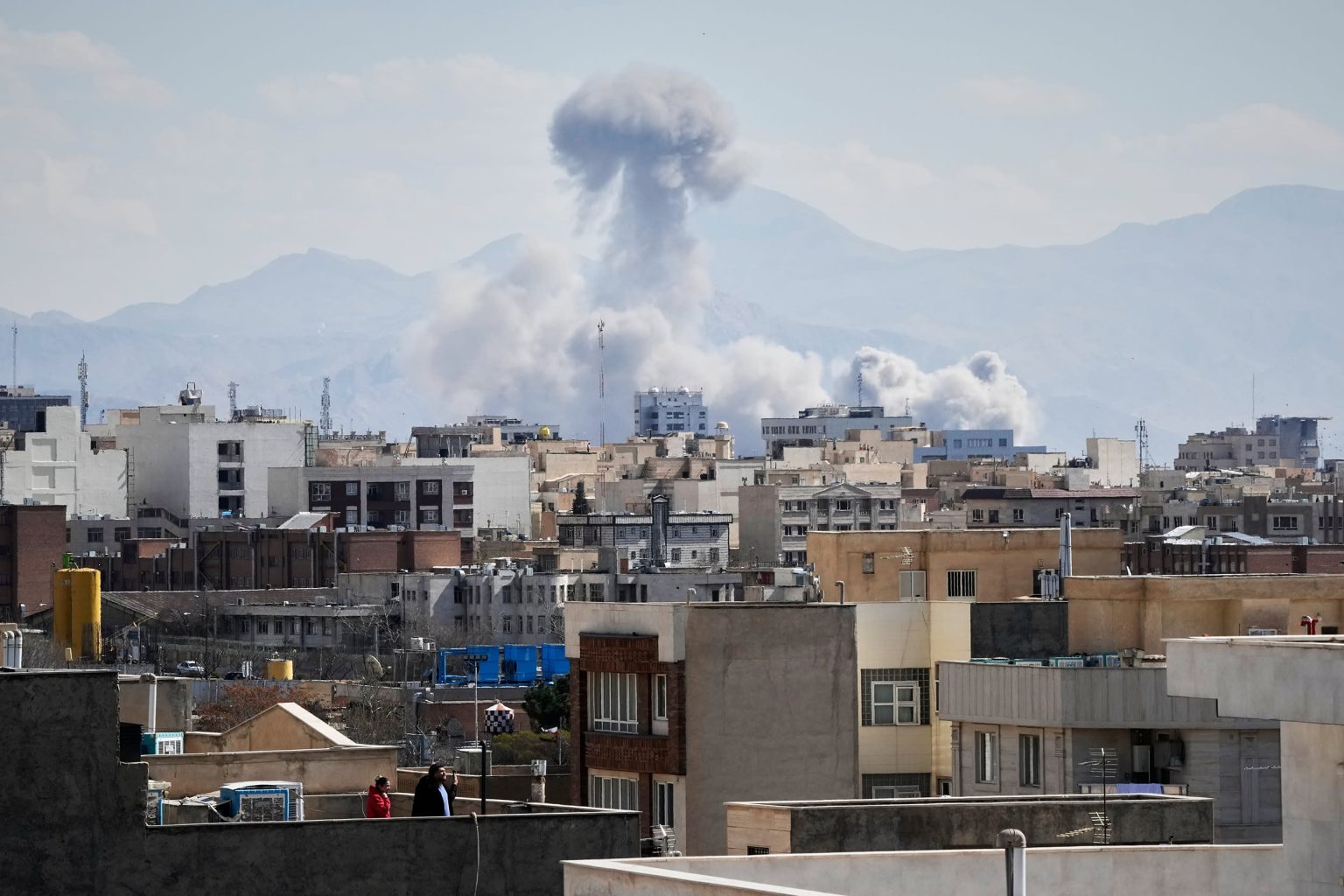
A sweeping air campaign carried out by the United States and Israel has reportedly eliminated several of Iran’s most powerful political and military figures, marking one of the most significant decapitation strikes in modern Middle East history.
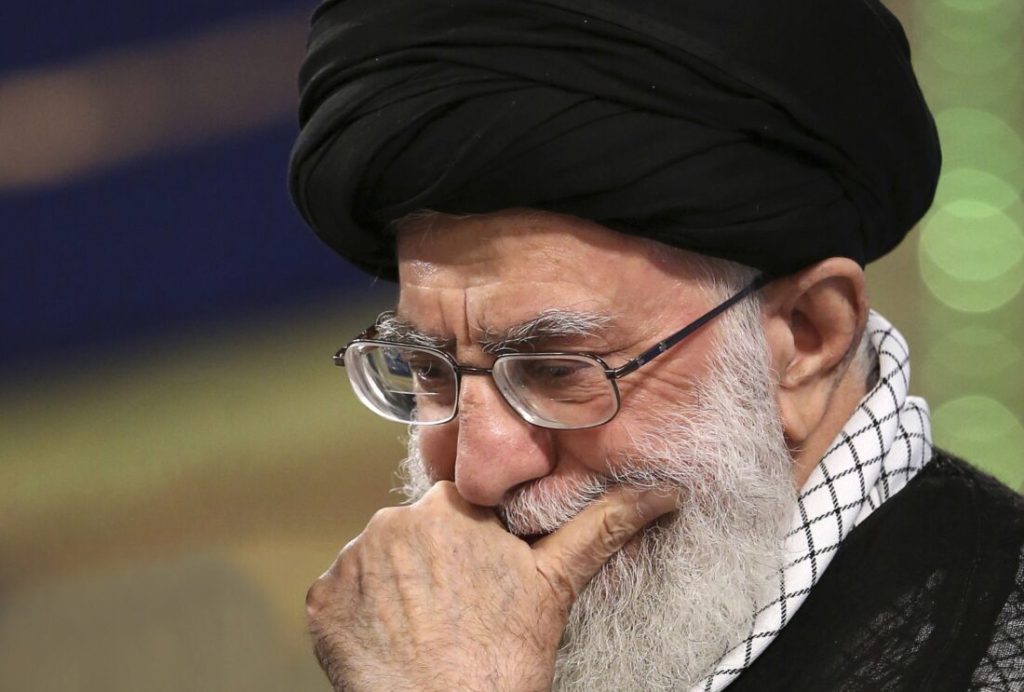
At the centre of the operation was Supreme Leader Ali Khamenei, Iran’s highest authority and commander in chief of the armed forces. His reported death represents a direct strike at the core of the Islamic Republic’s political and security architecture.
| Name | Position | Core Authority |
|---|---|---|
| Ali Khamenei | Supreme Leader of Iran | Head of state and commander in chief of all armed forces. Final authority over defence, intelligence and foreign policy. |
| Ali Shamkhani | Secretary, Supreme National Security Council | Coordinated national security strategy and advised on defence and regional affairs. |
| Mohammad Pakpour | Commander, IRGC Ground Forces | Directed Revolutionary Guard ground operations and internal security deployments. |
| Aziz Nasirzadeh | Minister of Defence | Oversaw defence ministry operations, procurement, logistics and weapons programmes. |
| Mohammad Shirazi | Head of Military Office to the Supreme Leader | Served as liaison between senior military commanders and the Supreme Leader’s office. |
| Hossein Jabal Amelian | IRGC Brigadier General, SPND Chair | Directed advanced defence research and weapons development initiatives. |
| Reza Mozaffari Nia | Former Head, SPND | Supervised sensitive defence technology and strategic research projects. |
| Saleh Asadi | Senior Intelligence Officer | Involved in intelligence coordination and foreign threat assessment. |
Also killed were senior defence and security officials who shaped Iran’s military posture and strategic planning. These include the Secretary of the Supreme National Security Council, the Defence Minister, and key commanders of the Islamic Revolutionary Guard Corps.
Military analysts say the removal of IRGC ground leadership and defence research heads could disrupt operational command, weapons development, and internal security coordination. The targeting of officials linked to advanced defence research suggests the strikes aimed to weaken Iran’s strategic capabilities beyond conventional battlefield structures.
The reported deaths extend beyond political leadership into intelligence and military liaison networks, potentially creating immediate command gaps across multiple layers of Iran’s security establishment.
Regional governments are closely monitoring developments as Tehran’s succession mechanisms and military chain of command face unprecedented strain. The long term impact will depend on how swiftly Iran restructures its leadership and whether retaliatory action follows.