

Former Special Adviser to the President on National Assembly Matters and Niger Delta Affairs, Senator Ita Enang, has said Nigeria can draw useful lessons from the economic approach associated with United States President Donald Trump to drive national growth and industrial development.
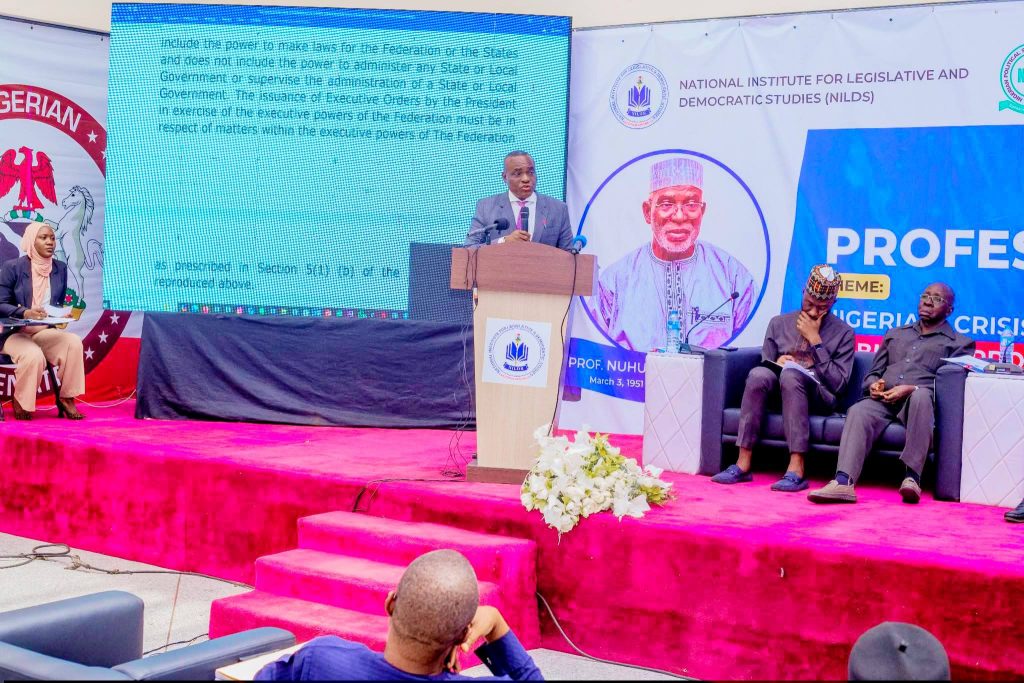
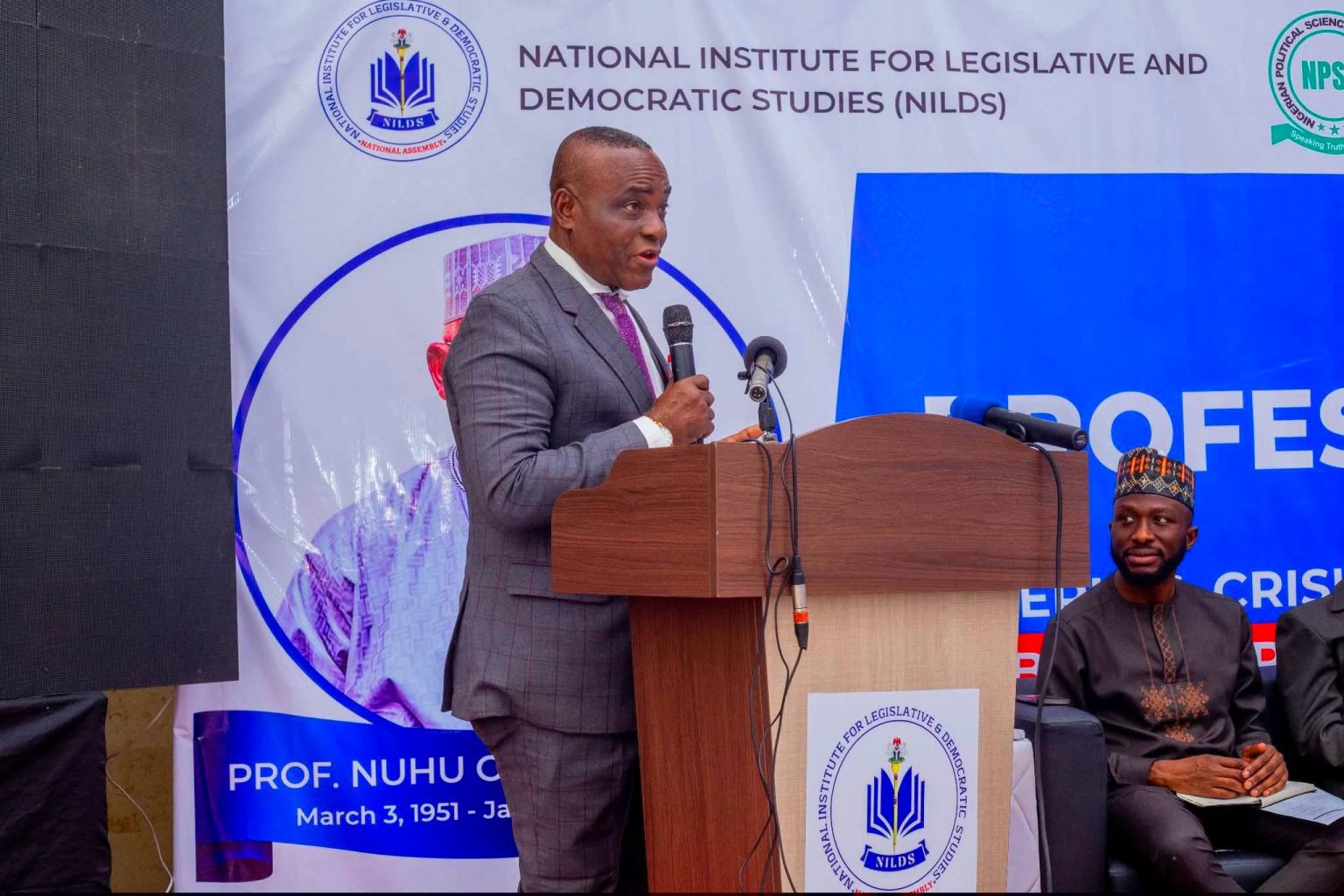
Enang made the remark in Abuja while presenting a paper titled, The Legislature and Governance in Constitutional Democracies: Trumpism and Executive Orders, at a posthumous event held in honour of Professor Nuhu Omezia Yaqub.
He said the economic ideas linked to Trumpism, which he described as centred on economic nationalism, local production and self reliance, could help Nigeria unlock its potential across technology, manufacturing and agriculture.
According to him, the model offers Nigeria an opening to rebuild its economy by making better use of local talent, natural resources and productive capacity, rather than depending heavily on foreign goods and services.
Enang said Nigeria must begin to prioritise what it can produce internally and work towards becoming a country that consumes more of what it makes.
He also called on both federal and state governments to invest more in local industries and create conditions that would encourage skilled Nigerians living abroad to return and support national development.
The former presidential aide said many Nigerians in the diaspora are contributing to the growth of foreign economies and should be encouraged to bring their knowledge, skills and capital back home to help expand domestic production and create jobs.
He maintained that policies built around stronger local enterprise would reduce import dependence, support small and medium scale businesses and deepen industrial growth across the country.
Enang added that Nigeria now has an opportunity to pursue real independence through economic strength, technological progress and industrial expansion.
His remarks have added to ongoing debates about how Nigeria can build a more self sufficient economy in the face of persistent development and industrial challenges.