


Jehovah’s Witnesses Clarify Rule on Use of Own Blood During Treatment
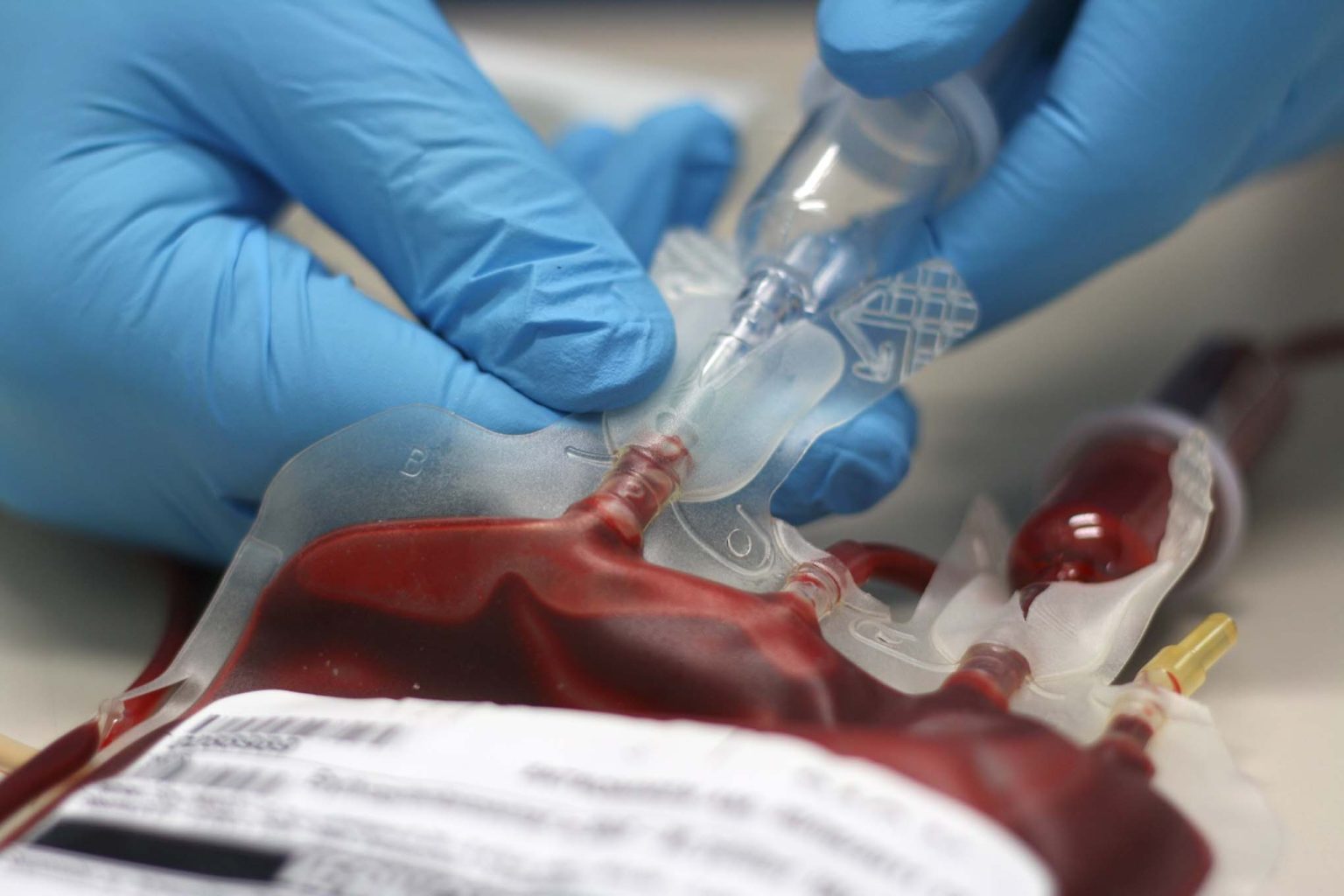
Jehovah’s Witnesses have clarified their position on blood use in medical care, allowing members to decide personally whether their own blood may be stored and returned during surgery or other treatment.
The religious group said the clarification does not change its long-standing opposition to transfusions involving another person’s blood. Instead, it gives individual members room to decide how their own blood may be used in medical and surgical care.
The position was outlined in a video update released by the Governing Body of Jehovah’s Witnesses. In the statement, Governing Body member Gerrit Lösch said the Bible does not specifically address the medical use of a patient’s own blood, making the matter one of personal conscience.
Under the clarification, members may now choose whether their blood can be removed, stored and later returned to them during treatment. The group said some adherents may accept such procedures, while others may still decline them based on personal religious conviction.
Jehovah’s Witnesses also noted that many members already accept certain medical procedures involving their own blood, including blood testing, dialysis, heart-lung machines and cell salvage techniques used during surgery.
The development has attracted attention in Nigeria following renewed public discussion about religious belief and medical treatment. The issue gained wider prominence after the death of social media personality Mensah Omolola, popularly known as AuntieEsther, whose case sparked debate over refusal of transfusion on faith grounds.
The new clarification is being seen as a notable adjustment in how the faith applies its blood doctrine in modern healthcare settings. However, the group has maintained its central teaching that members should abstain from receiving donated blood from others.
The update is likely to shape future conversations between Jehovah’s Witnesses, doctors and families, especially in planned medical procedures where the use of a patient’s own blood may now be considered a matter of individual choice.