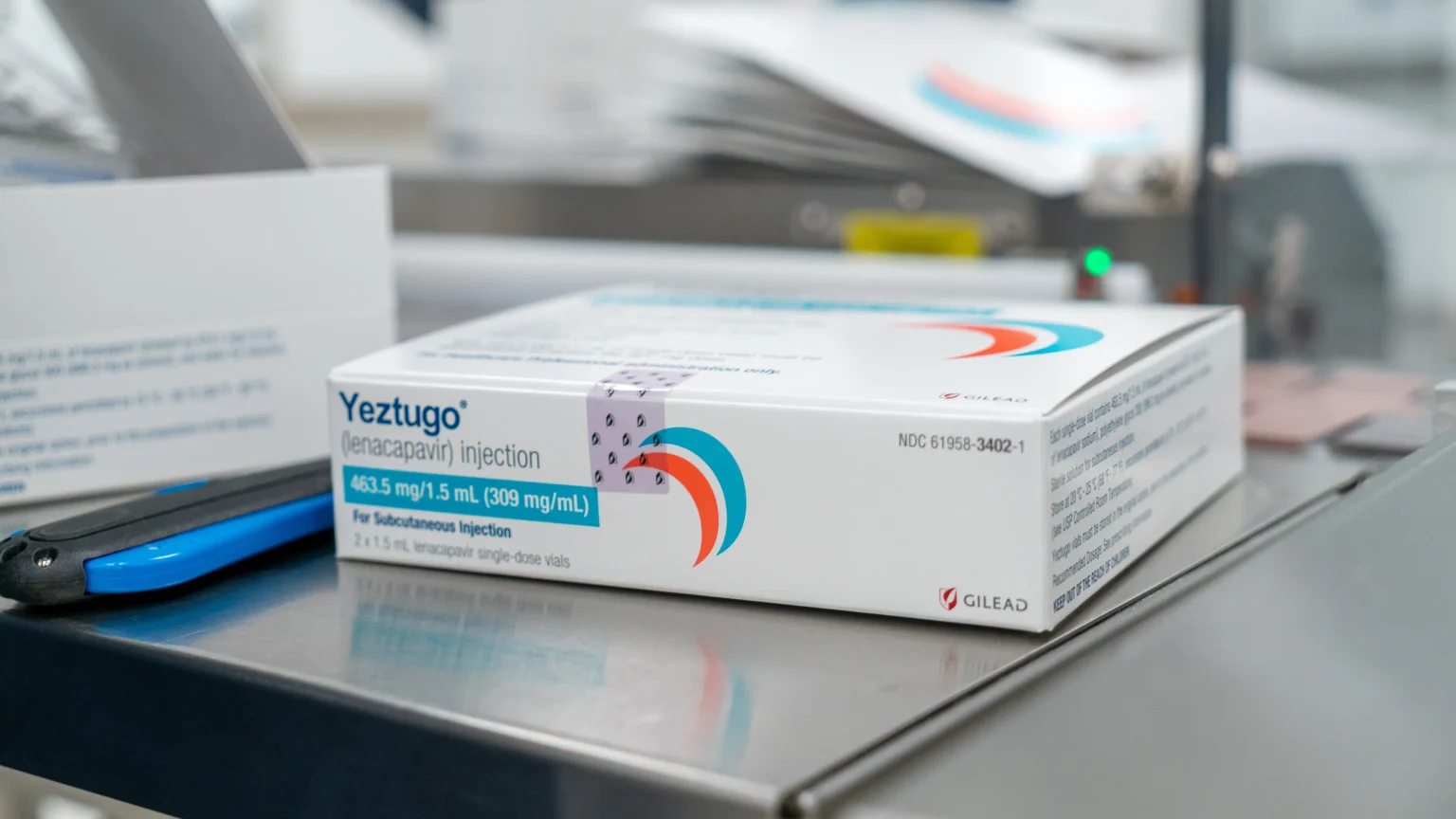


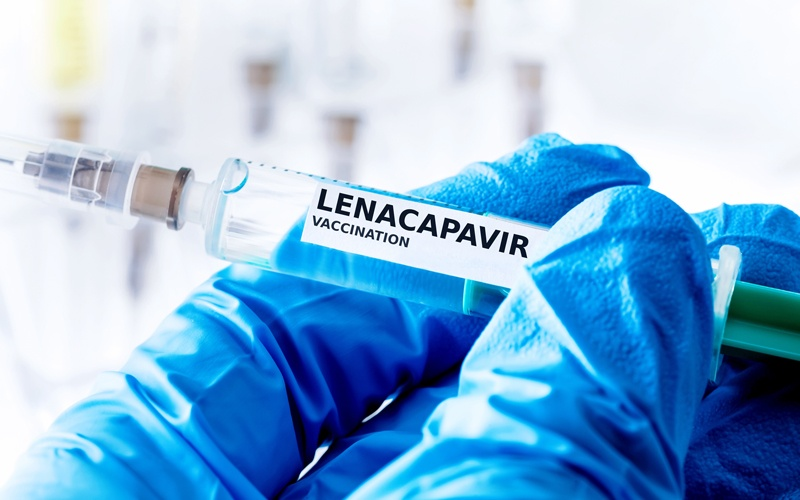
A new era in HIV prevention has begun in Nigeria with the arrival of Lenacapavir, a twice-yearly injection that provides long-term protection against the virus. The drug, which now costs about ₦58,000, marks one of the most significant public health milestones in the country’s fight against HIV.
Lenacapavir was previously available at an annual cost of about 28,000 dollars, but a landmark global agreement in 2025 reduced the price to only 40 dollars per person each year. The decision has opened the door for millions of people in Nigeria and over one hundred other low and middle-income countries to access the life-saving medication.
Health experts describe the drug as a game-changer. Lenacapavir works by blocking the HIV virus from replicating inside human cells, providing up to six months of protection with each injection. Its long-acting nature makes it a practical option for people who may find it difficult to take tablets daily or who face barriers such as stigma and inconsistent access to medication.
The World Health Organization endorsed Lenacapavir in 2025 as an additional preventive option for those at substantial risk of infection. This includes adolescent girls, young women, members of the LGBT community, sex workers, and people who use drugs, all of whom remain among the most vulnerable to HIV infection.
According to Nigeria’s most recent data, HIV prevalence among adults aged 15 to 49 stood at 1.3 per cent in 2023, with about 30,000 HIV-related deaths recorded that year. More than 1.6 million adults are currently on antiretroviral therapy, showing continued progress in treatment access. Globally, about 31.6 million people were reported to be receiving therapy by the end of 2024.
Medical authorities believe the twice-yearly injectable could eventually replace the current oral form of pre-exposure prophylaxis, known as PrEP, which requires daily doses. Although both cost roughly the same annually, adherence to daily pills has remained low, with only 18 per cent of eligible people currently using the medication, according to the Gates Foundation.
The United States Food and Drug Administration and the European Commission have already approved Lenacapavir for preventive use. Clinical findings indicate that the drug is nearly 100 per cent effective when administered correctly.
Like any medicine, it can cause mild side effects such as pain or swelling at the injection site, and in some cases, brief nausea or headaches. However, these are generally temporary and considered a small inconvenience for the level of protection the drug offers.
Public health advocates in Nigeria have welcomed the rollout, describing it as a decisive step toward reducing new infections and improving long-term disease control across the country.