



By | Destiny Young
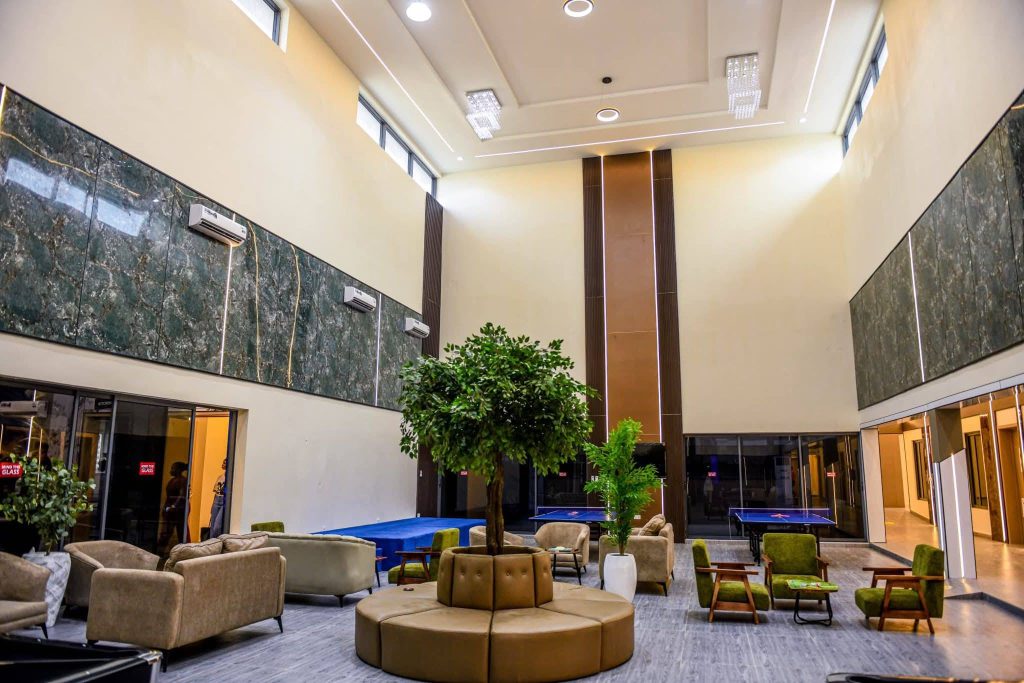
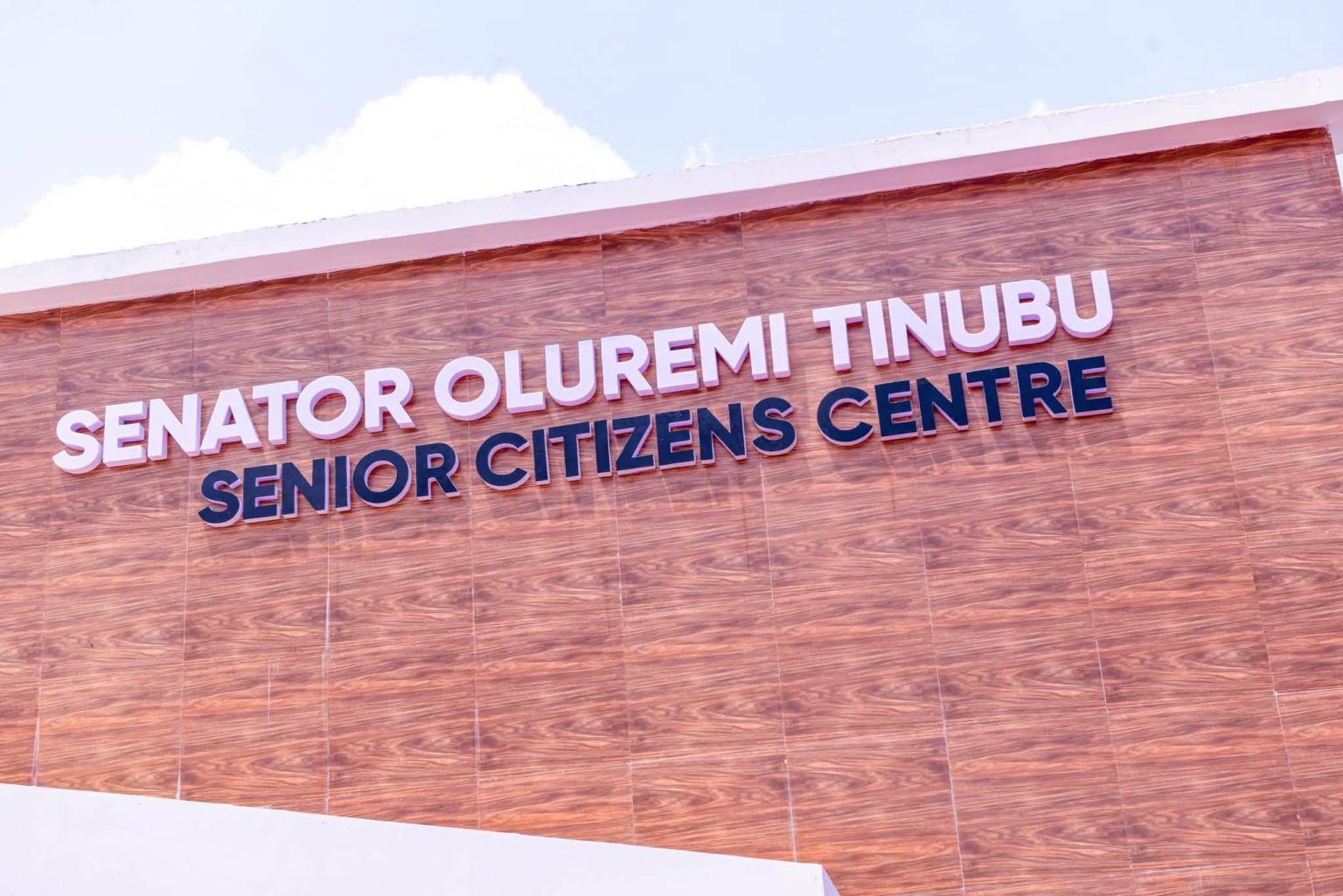
The Senator Oluremi Tinubu Senior Citizens Centre in Akwa Ibom is Governor Umo Eno’s major step towards a structured elderly care in Nigeria. Conceived to serve older residents, the facility was built as a purpose-driven daytime centre for citizens aged 65 and above. It brings healthcare, recreation, learning, counselling and social support into one coordinated environment.
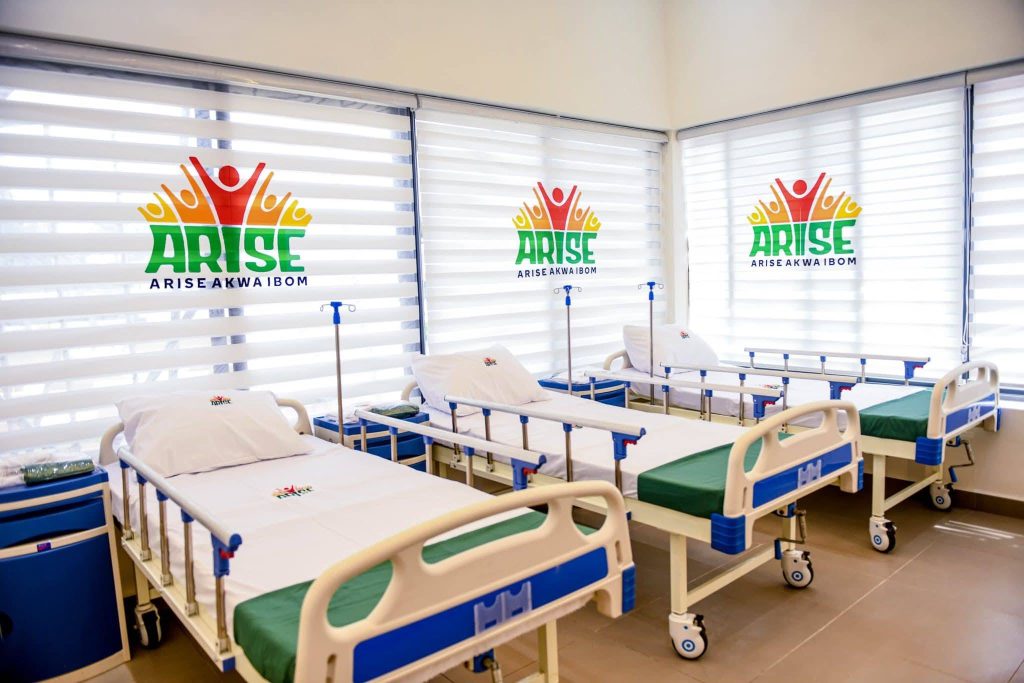
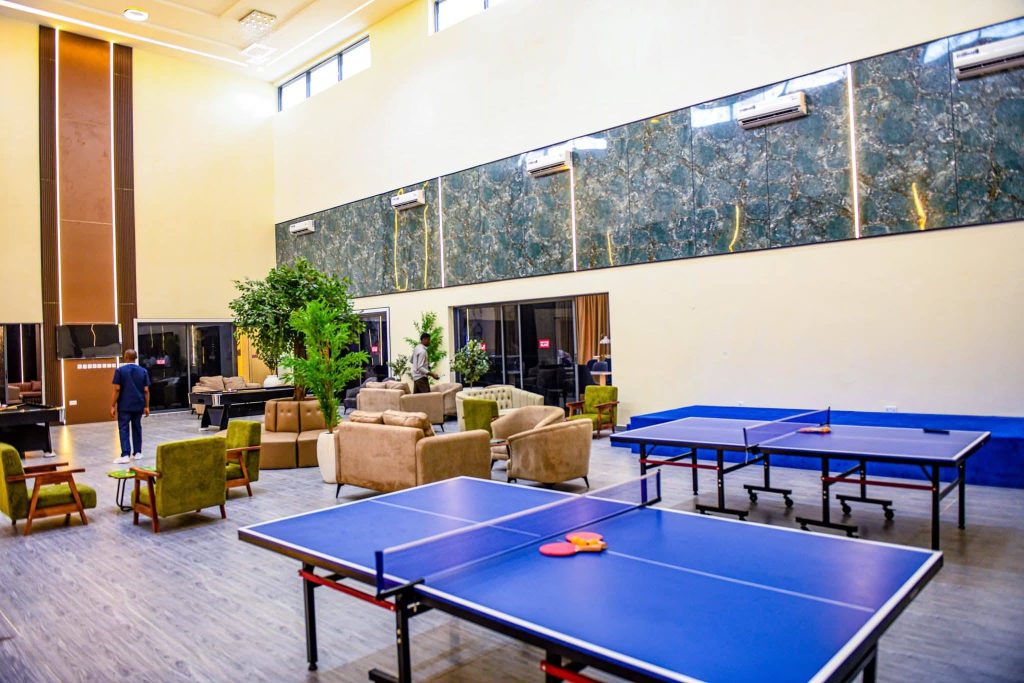
Its design reflects a clear policy direction. Older people need more than occasional welfare support. They need a safe place where they can access medical care, remain socially connected, stay physically active and continue to contribute to society. That is the gap this centre aims to fill.
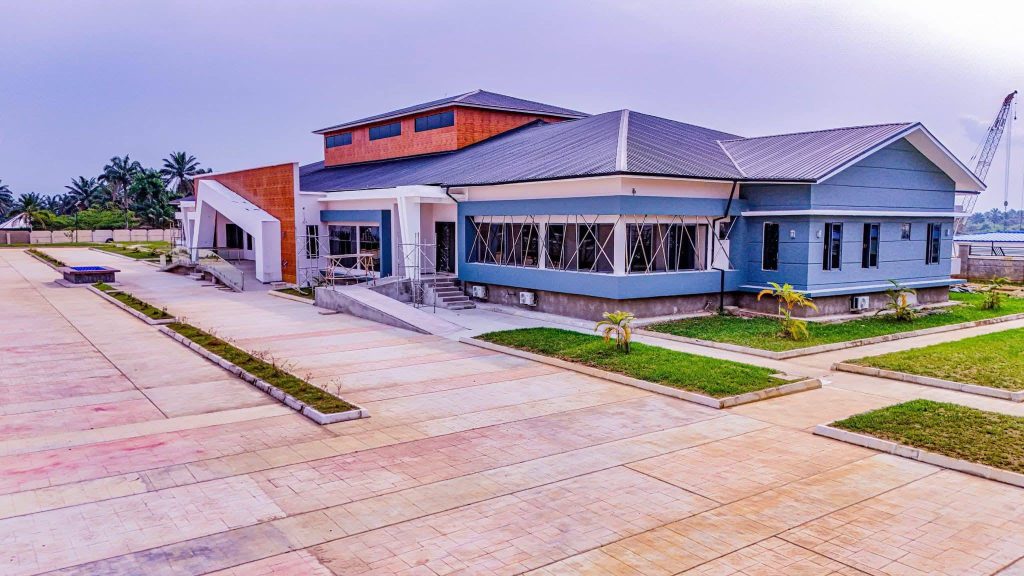
The centre has the following features:
1. Purpose built senior facility for citizens aged 65 and above
2. Fully equipped primary healthcare unit
3. Consulting rooms
4. Male observation ward
5. Female observation ward
6. Laboratory
7. Pharmacy
8. Nurses’ office
9. Wellness and active living hub
10. Recreation and social engagement spaces
11. Mentoring hub
12. Skills acquisition hub
13. Arts and crafts gallery
14. Comfortable lounges
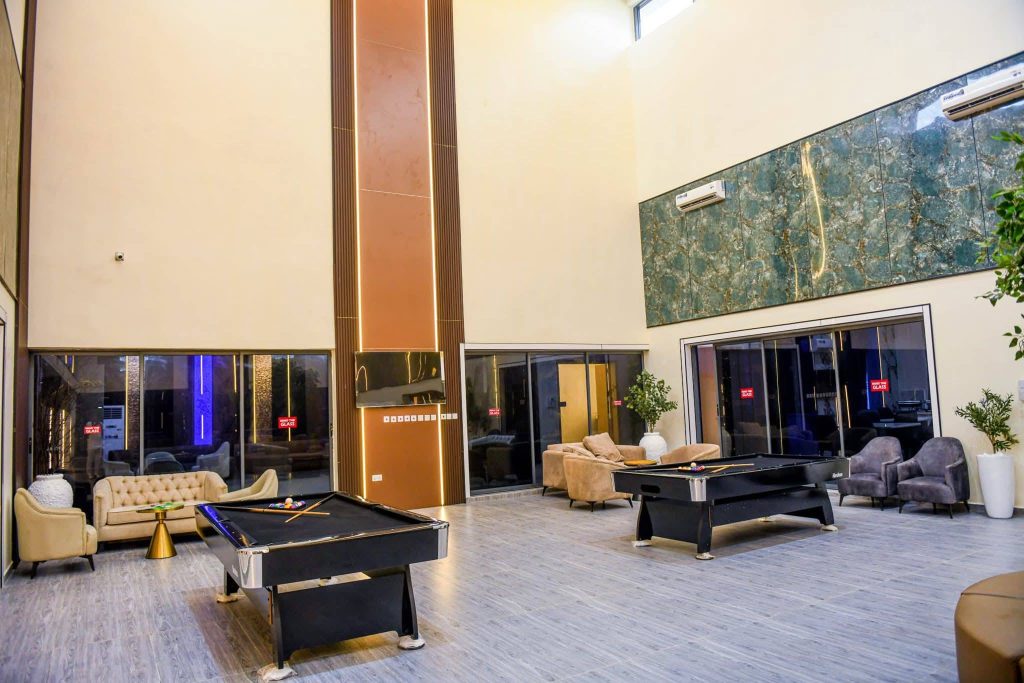
15. Parlour game areas
16. Fitness and gym facilities
17. Restaurant
18. Non alcohol bar
19. Multipurpose hall
20. Administrative offices
21. Library
22. Laundry services
23. Supermarket
24. Chapel
25. Counselling cubicles
26. Strategic location along Uyo to Ikot Ekpene Road
27. Location within the ARISE Medical Corridor
28. Community friendly access to selected services
29. Integrated healthcare, recreation, enterprise and social support model
30. Employment generation through direct and indirect jobs
One of the most important features of the centre is its purpose-built focus on senior citizens. This matters because ageing comes with specific physical, emotional and social needs. A centre designed around those realities can provide safer spaces, better service delivery and more dignity for older people. Instead of treating elderly care as an afterthought, the facility makes it the core mission.
The healthcare unit is one of the centre’s strongest assets. With consulting rooms, male and female observation wards, a laboratory, pharmacy and nurses’ office, the facility offers routine medical attention in one location. This can help older residents manage chronic illnesses, monitor their health more regularly and receive early attention before minor issues become major emergencies. Easy access to basic medical support is especially important for senior citizens, many of whom require frequent checkups and medication management.
The centre also functions as a wellness and active living hub. This feature goes beyond clinical care. It creates an environment where older people can remain engaged in physical, mental and social activities. Active ageing improves mobility, supports mental sharpness and reduces the isolation that often affects elderly people. A centre that combines health support with recreation can help residents maintain independence for longer.
Another strategic feature is the mentoring and skills acquisition hub. This gives older citizens the chance to learn new skills, pass on knowledge and remain productive. The benefit is twofold. First, it helps seniors preserve confidence and purpose. Second, it allows younger generations to benefit from their experience. In many communities, elderly people hold practical knowledge, professional insight and cultural memory. Creating a platform for mentorship keeps that value alive.
The arts and crafts gallery adds another useful layer to the centre’s model. Creative activity can support mental wellbeing, improve hand coordination and provide emotional fulfilment. It also gives seniors a way to display their talents and remain productive. For some, arts and crafts may even open small income generating opportunities. This means the space is not only recreational, but also economically and socially meaningful.
The social interaction spaces, including lounges and parlour game areas, address one of the biggest challenges of ageing, loneliness. Many older people face reduced social contact after retirement or the loss of loved ones. Shared spaces encourage conversation, friendship and emotional support. This kind of daily human connection can reduce stress, improve mood and strengthen mental health.
The fitness and gym facilities are another strategic investment. Guided exercise for senior citizens can improve balance, flexibility, circulation and muscle strength. This reduces the risk of falls and supports mobility. Physical activity also helps with the management of conditions such as arthritis, diabetes and high blood pressure. A fitness space designed for older adults can therefore play a preventive healthcare role.
The restaurant and non alcohol bar support both nutrition and social wellbeing. Good nutrition is essential for ageing well. A centre that offers healthy meals and refreshments can encourage better dietary habits among older people. At the same time, the relaxed setting creates opportunities for social gatherings, which supports emotional wellbeing and community bonding.
The multipurpose hall expands the usefulness of the centre. It provides space for meetings, training sessions, community events and recreational programmes. This makes the facility adaptable and allows it to host a wide range of activities that keep senior citizens engaged. It also creates room for public education programmes, health awareness sessions and intergenerational events.
Support facilities such as offices, a library, laundry services and a supermarket make the centre more practical and complete. The library can encourage reading, reflection and continuous learning. Laundry services reduce daily stress for elderly users who may struggle with domestic chores. The supermarket adds convenience by making essential items available in the same environment. Together, these features improve day to day comfort and accessibility.
The chapel and counselling cubicles address spiritual and emotional needs. Ageing often brings grief, anxiety, health worries and other personal challenges. Access to counselling can help seniors manage emotional pressure, while spiritual support can provide comfort, hope and inner stability. This feature shows that the centre does not treat elderly care as purely physical. It recognises mental and spiritual wellbeing as part of the whole picture.
Its location along the Uyo to Ikot Ekpene Road within the ARISE Medical Corridor gives the centre added strategic value. Easy access matters in elderly care. A location connected to broader health and support infrastructure can improve response time, referrals and convenience for families and caregivers. It also increases the centre’s visibility and accessibility to residents across the area.
The centre’s local development impact is also significant. Being built by an indigenous firm, U and K Engineering Limited, means the project supports local enterprise and technical capacity. Job creation is another direct benefit. Employment opportunities linked to the facility help strengthen the local economy while ensuring the centre itself remains functional and service oriented.
Its community friendly model is another strength. Although its main focus is senior citizens, some facilities, such as the supermarket and pharmacy, are open to the general public. This makes the centre more integrated with the wider community. It can encourage intergenerational interaction, widen access to useful services and support the centre’s sustainability through broader patronage.
The most important strength of the facility may be its holistic elderly care model. Instead of separating healthcare, recreation, enterprise, mentorship and counselling, the centre combines them in one place. This integrated approach is more practical and more humane. It recognises that older people do not have one single need. Their wellbeing depends on health, purpose, mobility, companionship, dignity and access to support.
The centre’s employment impact adds another layer to its value. With direct and indirect jobs already created for more than 100 people, the project is not only a social welfare investment. It is also an economic asset. It supports workers, service providers and local businesses while delivering care to senior citizens.
Taken together, the Senator Oluremi Tinubu Senior Citizens Centre stands as more than a public facility. It is a model of organised elderly care. It responds to medical needs, social isolation, physical fitness, emotional support and economic relevance in one coordinated setting. For Akwa Ibom, it marks a shift towards more structured and dignified support for older citizens. For other states, it offers a clear example of what modern elderly care can look like when planning is deliberate and inclusive.
—
Destiny Young serves as Special Assistant to the Governor (Pastor Umo Umo, PhD) on New Media and Digital Communication