

By | YOUNG, D
United States space technology firm SpaceX has launched another batch of satellites into orbit to strengthen its global satellite internet network, a development expected to improve connectivity across parts of Africa, including Nigeria.
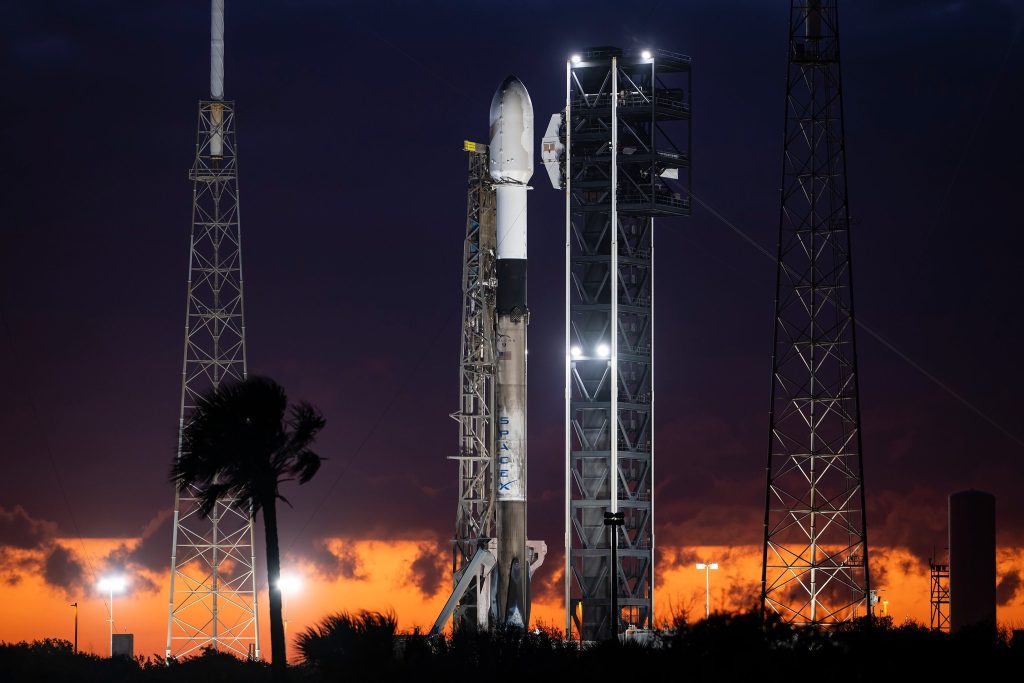
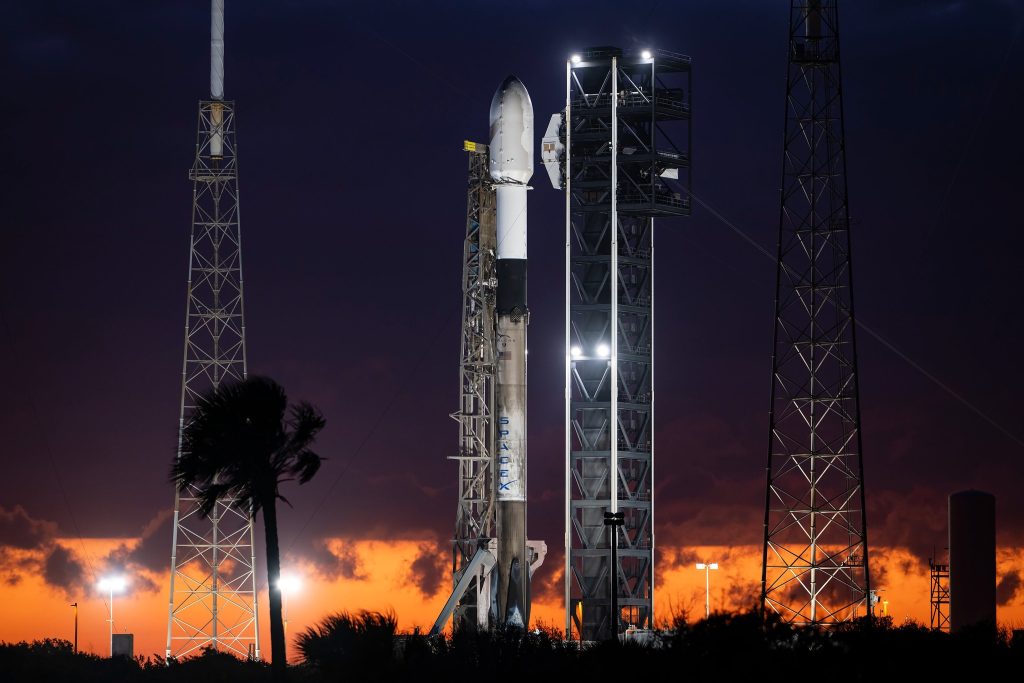
The satellites were deployed aboard the reusable Falcon 9 rocket from Cape Canaveral in the United States. The mission placed dozens of new satellites into low Earth orbit to expand the coverage of the company’s satellite broadband service known as Starlink.
SpaceX said the additional satellites will help strengthen network capacity and improve internet availability in regions where traditional broadband infrastructure remains weak or difficult to deploy. Many African countries fall within this category due to limited fibre optic infrastructure and uneven telecommunications coverage.
Across the African continent, internet penetration has grown steadily over the past decade. However, large rural populations still lack reliable access to high speed internet. Satellite based connectivity is increasingly viewed as a practical solution for bridging this gap.

Nigeria has emerged as one of the key African markets for Starlink since the service became operational in the country. The satellite network provides broadband access in areas where mobile and fibre services are limited, particularly in remote communities, farms, offshore facilities, and rural schools.
Industry observers note that improved satellite connectivity could support several sectors within Nigeria and across Africa. These include digital education, financial technology services, telemedicine, and online commerce. Reliable internet access also supports the growth of technology startups and remote work opportunities.
The latest satellite deployment will increase the density of the Starlink constellation in orbit, which allows the network to handle more users and deliver faster and more stable connections. This expansion is expected to improve service quality in regions that already rely on the system.
The launch also demonstrated the continued efficiency of the Falcon 9 rocket system, whose first stage booster returned safely and landed after completing its role in the mission. Reusable rockets have enabled SpaceX to conduct frequent launches while reducing operational costs.
As SpaceX continues to deploy more satellites, analysts expect satellite internet to play a growing role in Africa’s digital development, particularly in countries like Nigeria where demand for reliable connectivity continues to rise.