


By | YOUNG, D
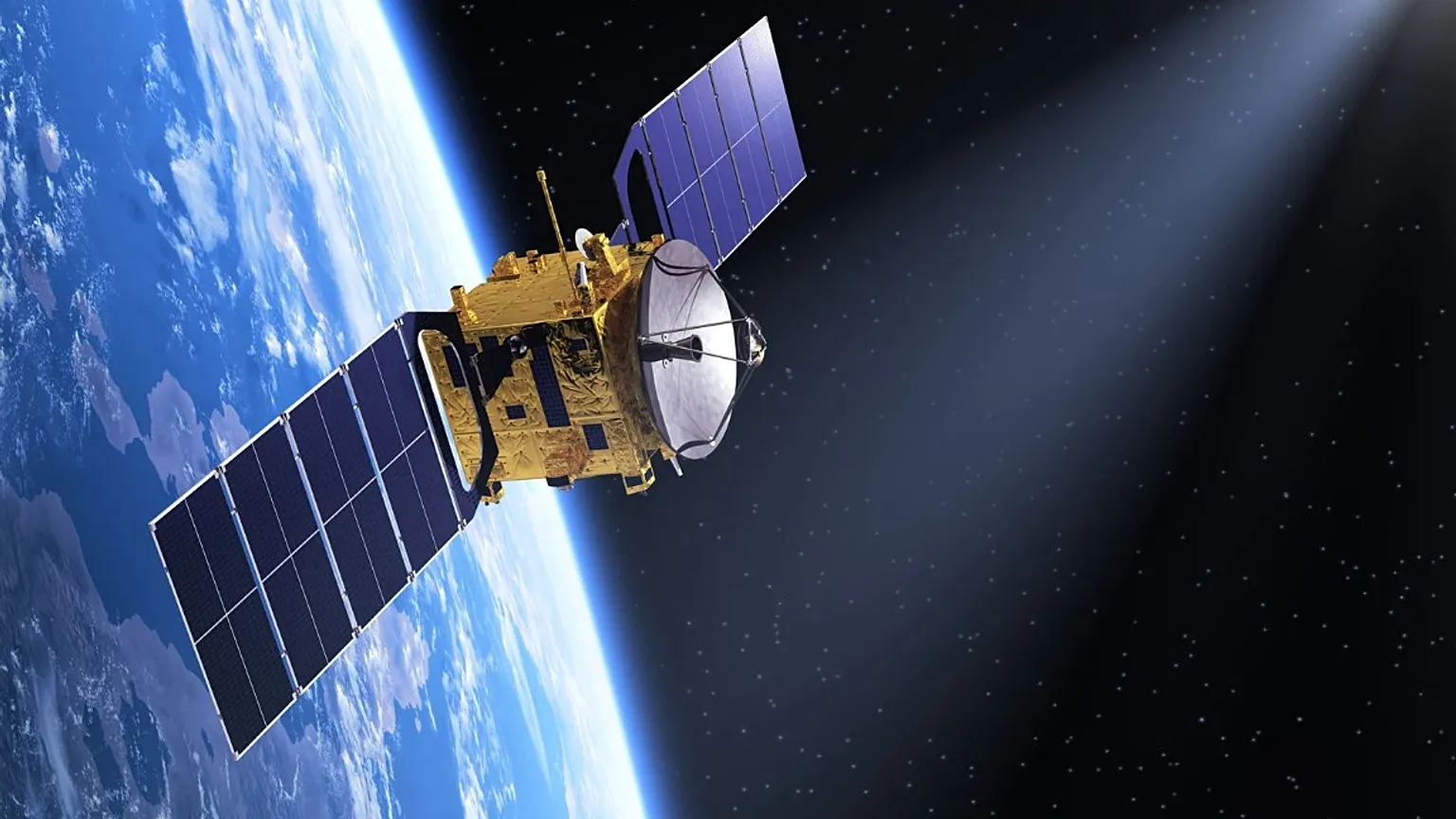
Starlink is moving closer to a future where ordinary smartphones can connect directly through satellites, but the service is still in an early phase and full 5G grade mobile connectivity remains some distance away. The company’s direct to cell push has already begun with limited functions in some markets, while broader voice and data capability is tied to a later satellite upgrade and commercial rollout.
Current service is more modest than some headlines suggest. In the United States, T Mobile says its Starlink beta is designed to keep users connected in dead zones and currently supports text messaging first. The operator says picture messaging, data services and voice calls are expected later, and that the beta works with most smartphones made in the last four years.
The larger promise, including direct 5G style connectivity to smartphones, is linked to Starlink’s planned Mobile V2 satellites. That is the basis of the recent report that the next generation satellites could deliver stronger mobile broadband performance directly to handsets, with the potential to support services such as video streaming, video calls and remote work in places where traditional mobile towers do not reach.
This distinction is important. The technology path is now visible, but the high speed consumer experience being discussed is not yet the standard service available to users around the world. It still depends on the launch and deployment of the upgraded satellite network, alongside agreements with telecom operators and regulatory approvals in each country.
In Europe, one of the clearest signs of where the market is heading came from Deutsche Telekom, which announced on 2 March 2026 that it plans to introduce Starlink satellite to mobile service in several European markets from early 2028. The company said compatible smartphones would be able to switch automatically to Starlink’s satellite network when they move outside terrestrial coverage, with the service expected to support data, voice and text.
That timeline shows the sector is still building toward full scale rollout. It also suggests that direct satellite broadband to ordinary phones will emerge in phases, rather than through a single global launch. Early service is focused on basic connectivity in areas without signal, while the broader mobile broadband model will take longer to mature.
For Africa, and Nigeria in particular, the development could become significant if current partnerships and regulatory efforts progress. Reports indicate that Airtel Africa and SpaceX reached an agreement in late 2025 to extend Starlink’s direct to cell service across Airtel’s 14 African markets, including Nigeria. That would place Nigeria among the countries positioned to benefit from future satellite to phone coverage expansion.
Still, the Nigerian market is not yet at full commercial launch stage for this category of service. The Nigerian Communications Commission has opened a consultation on satellite direct to device services, showing that the regulatory framework is still being shaped. That means the promise of seamless satellite to smartphone connectivity in Nigeria will depend not only on SpaceX’s satellite deployment, but also on local policy decisions and operator readiness.
If the rollout succeeds, the implications could be far reaching. Rural communities, offshore operations, border regions and travellers in remote areas could gain access to mobile communication even where there are no nearby base stations. For a country like Nigeria, where coverage gaps still affect many communities, satellite to phone service could eventually become an important complement to terrestrial mobile networks rather than a direct replacement for them. This is an inference based on the stated service model and current coverage challenges.
For now, the clearest reading of the story is this. Starlink has begun the transition toward direct smartphone connectivity from space, but the current service is still limited, and the full 5G grade experience remains part of the next phase. The ambition is real. The infrastructure, partnerships and approvals needed to make it widely available are still catching up.
—-
Destiny Young is a Technology and IT Infrastructure Management Executive and Cybersecurity Professional with extensive experience in enterprise systems, digital transformation, and cybersecurity management.