
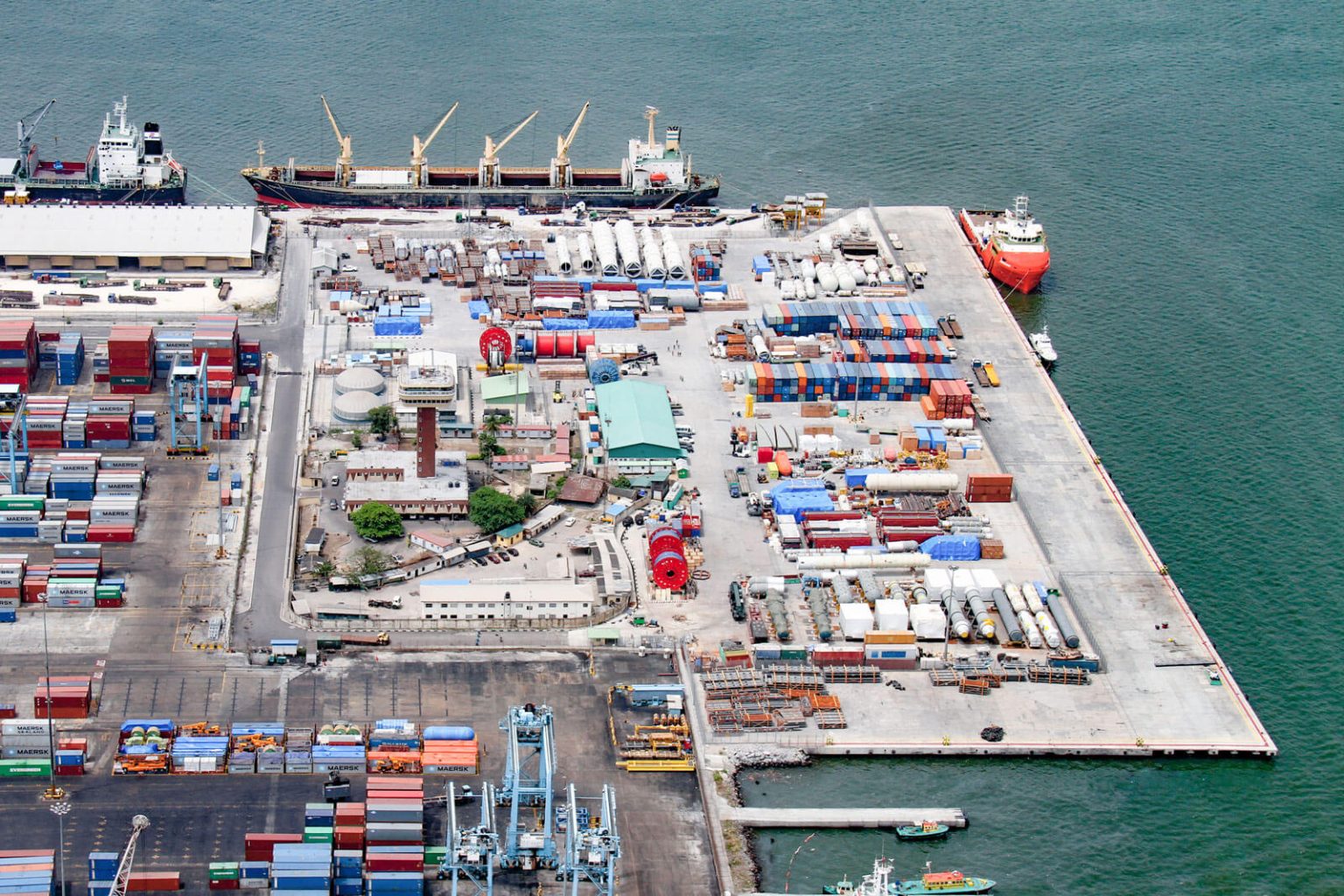

The Federal Government has announced a £746 million financing agreement backed by the United Kingdom to support the upgrade of two of Nigeria’s busiest seaports, the Lagos Port Complex in Apapa and the Tin Can Island Port Complex.
The disclosure came on Tuesday as part of President Bola Tinubu’s engagements in the UK, where the Presidency said he would witness the signing of the deal during his state visit.
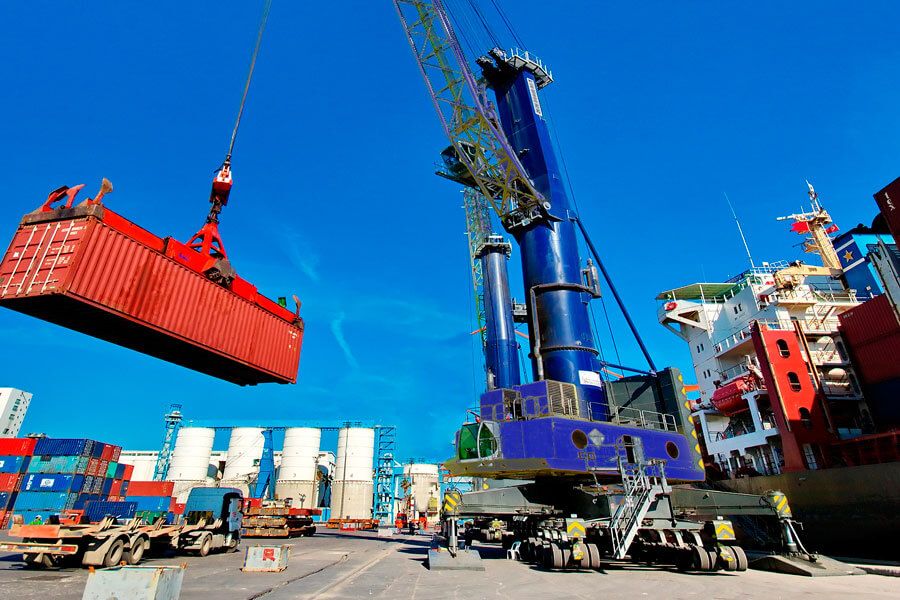
The project is expected to fund the refurbishment and modernisation of critical infrastructure at both ports, which handle a large share of Nigeria’s import and export traffic.
Officials said the financing package is being arranged through UK Export Finance, with the Nigerian Ports Authority and the Federal Ministry of Finance involved on the Nigerian side.
The planned overhaul is being presented as a major step in efforts to improve port efficiency, reduce congestion and strengthen Nigeria’s trade logistics chain. Apapa and Tin Can remain central to the country’s maritime operations, but both facilities have long faced pressure from ageing infrastructure, delays and operational bottlenecks.
By targeting upgrades at the two ports, the government appears to be seeking faster cargo movement, improved turnaround time for vessels and lower logistics costs for businesses that rely on the Lagos port corridor.
The announcement comes as the Tinubu administration pushes broader reforms in transport, trade facilitation and infrastructure financing. Port modernisation is seen as a key part of that agenda, especially at a time when the government is under pressure to improve the ease of doing business and support non-oil exports.
While several reports described the arrangement as already sealed, the Presidency’s wording indicated that the formal signing was tied to the President’s UK visit.
If completed as outlined, the deal would rank among the most significant recent foreign-backed infrastructure financing packages in Nigeria’s maritime sector.
For local operators, importers and exporters, the real test will be delivery. Any measurable improvement in port access, cargo handling and vessel turnaround could have wider effects on supply chains, customs processing and the cost of moving goods across the economy.