


Punch Report Relies on Narrow Cases, Ignores Umo Eno’s Clear Health Sector Interventions
By | Destiny Young
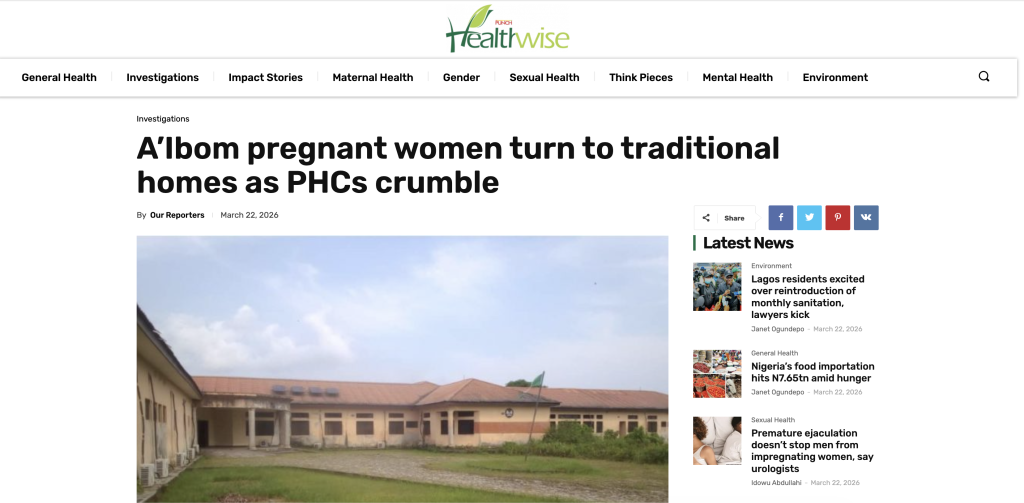
I have read a publication by the Punch Newspaper, on its Healthwise Online titled, “A’Ibom pregnant women turn to traditional homes as PHCs crumble.”
The issues raised in that report deserve concern. Any case of maternal risk, weak staffing, poor equipment, or failing service in any primary health facility should trouble everyone. But it is wrong to take a few distressing cases and stretch them into a sweeping verdict on the intentions, commitment, and actions of the Governor of Akwa Ibom State, Pastor Umo Eno. The same report itself notes that the state government declared a state of emergency in the health sector after earlier findings on maternal health failures.
That fact matters. A government that is indifferent does not declare an emergency. A government that lacks intention does not intervene. A government that does not care does not commit public resources to primary healthcare upgrades, health insurance expansion, recruitment, and counterpart funding for health programmes.
Since assuming office, Governor Umo Eno has placed healthcare firmly within the delivery priorities of his administration. In March 2025, he commissioned a model Primary Health Centre in Etim Ekpo and said clearly that similar facilities were being developed across the 31 local government areas of the state. That is not a symbolic gesture. It is a structured intervention aimed at rebuilding confidence in frontline care.
The administration has also backed the health sector with financing. In January 2026, Governor Umo Eno approved the release of the 2025 health counterpart funding for critical programmes including health insurance, primary healthcare, immunisation, family planning, and nutrition. These are foundational investments in public health delivery. They are direct interventions, not slogans.
In addition, the Akwa Ibom health insurance programme has continued to expand under this administration. BusinessDay reported in February 2026 that the scheme, launched in 2024, had enrolled more than 180,000 people and was being extended to tertiary institutions. That level of enrolment reflects deliberate policy action to improve access to care and reduce the burden of out-of-pocket medical costs on residents.
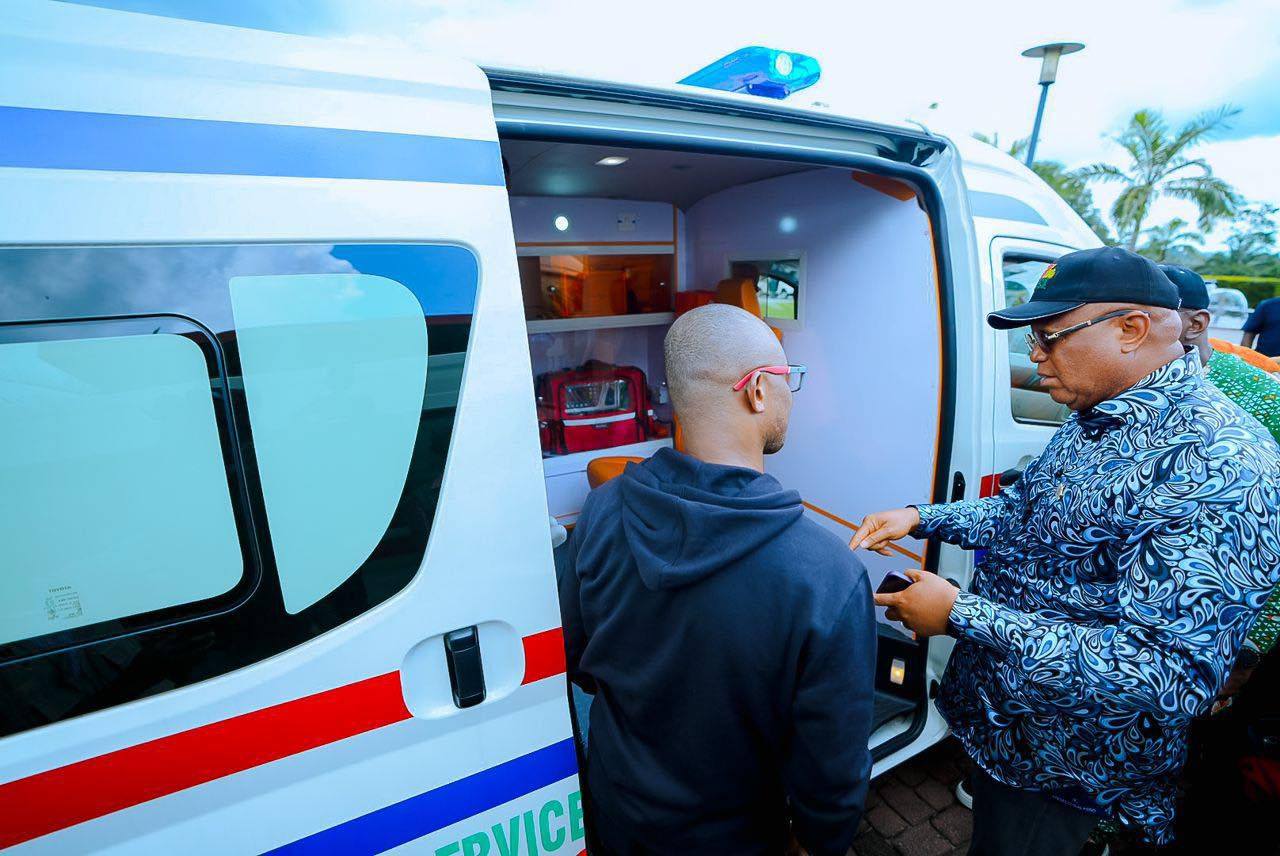
It is therefore unfair and intellectually weak to ignore these efforts and push a narrative that suggests the governor has done nothing or lacks genuine concern for the health and wellbeing of the people. That claim is false. The record shows intervention in infrastructure, intervention in financing, intervention in insurance access, and intervention in emergency response.
We must also be clear about one important point. Legacy problems in the health sector cannot be reversed in one day. Years of system weakness, manpower gaps, facility decay, and rural access challenges require sustained work. That is exactly why balanced reporting matters. Journalism should expose problems, yes. But it should not erase context. It should not ignore reforms already underway. And it should not weaponise isolated breakdowns to rubbish a genuine reform effort that is still being implemented.
The responsible position is simple. Call attention to genuine lapses. Demand faster implementation where gaps remain. Hold institutions accountable. But do not distort the picture. Do not confuse ongoing system repair with indifference. Do not dismiss clear evidence of action because some facilities still need urgent improvement. That would be unfair to the facts and unfair to the people of Akwa Ibom who are already seeing deliberate investments in the sector.
Governor Umo Eno’s intention is not in doubt. His government has acted, is acting, and must continue to act until every part of the health system works as it should. Constructive scrutiny is welcome. But selective reporting that overlooks ongoing reforms should not be allowed to define the full reality of Akwa Ibom’s health sector.
Destiny Young serves as the Special Assistant to the Governor on New Media and Digital Communication