
The first group of United States soldiers has arrived in Nigeria as part of a new security cooperation effort that focuses on countering jihadist violence in the north east of the country. Their arrival follows several days of increased United States military air traffic into key Nigerian bases and marks a significant deepening of defence ties between Abuja and Washington.
According to Nigerian defence sources, about one hundred United States troops landed at military facilities in Maiduguri, Kaduna and Kainji, with more personnel expected in the coming weeks to bring the total close to two hundred. The soldiers are understood to be largely trainers, advisers and technical specialists, rather than combat troops, and will work with selected Nigerian units that are engaged in operations against the Islamic State West Africa Province and other armed groups in the region.
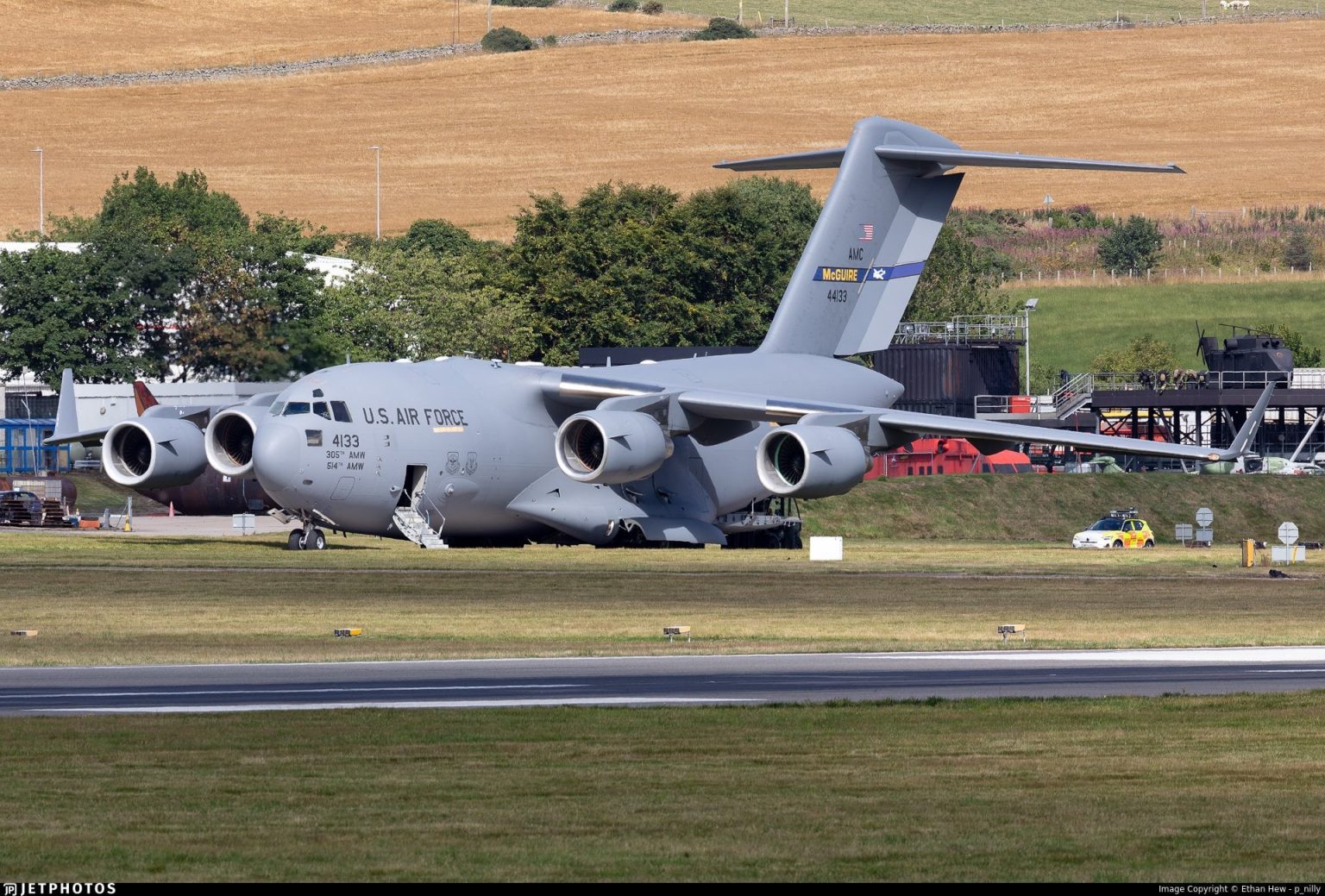
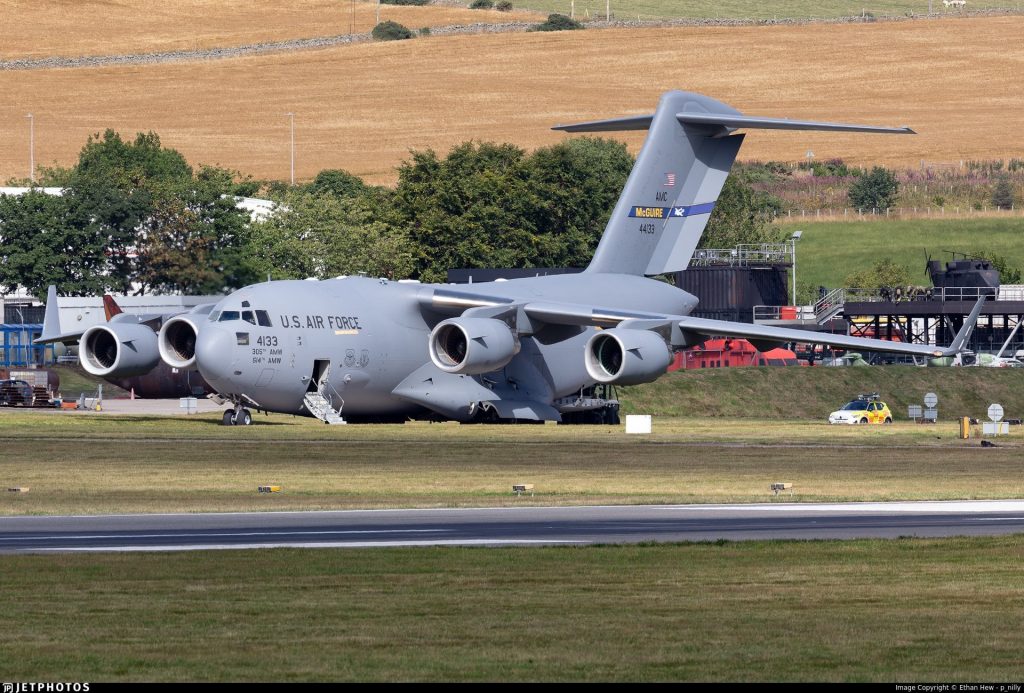
Several large transport aircraft from the United States Air Force have been observed flying into Nigeria in recent days, including into Maiduguri, which serves as a front line hub for operations in Borno State. Security officials say the aircraft brought ammunition, communications equipment and other logistics supplies intended to strengthen Nigerian ground and air capabilities. Kaduna has been mentioned as a likely training and coordination centre, while Maiduguri is expected to host operational level planning and support.
Both governments have presented the deployment as part of a broader security partnership. Nigerian authorities stress that the foreign soldiers will operate under agreed arrangements with the Nigerian military and will not conduct unilateral combat missions. United States officials have framed the move as a response to persistent insecurity and to the threat posed by extremist groups to local communities, including Christian populations in parts of the north.
Analysts say the fresh United States presence could lead to closer intelligence sharing, better targeting of insurgent positions and improved air to ground coordination in coming months. However, the development is also likely to fuel debate inside Nigeria about sovereignty, transparency and the long term political implications of hosting foreign troops on its soil.