

Iran’s economy is coming under heavier strain as the war drags on, with fresh reports warning that a failure to secure a ceasefire could push the country closer to a wider economic breakdown.
The pressure is building on several fronts. Businesses are struggling, household finances are tightening, and the wider economy is already burdened by inflation, sanctions and currency weakness. One month into the war, many Iranians are grappling with lost livelihoods, damage to homes and growing uncertainty, while private businesses are finding it harder to pay workers as operations slow or shut down.
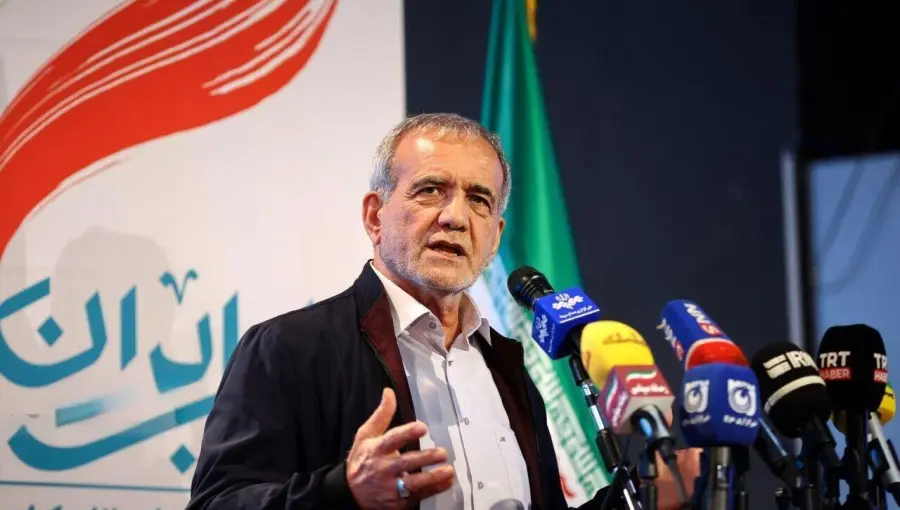
A report citing unnamed sources said President Masoud Pezeshkian warned that without a ceasefire Iran’s economy could face total collapse within three weeks to one month. While that specific claim has not been independently confirmed by major wire services, there is growing evidence that the war is placing severe pressure on the country’s economy.
The broader strain is clear. Businesses are struggling under wartime disruption, online trade has been hit by communication and internet restrictions, and private sector wages are becoming harder to sustain. Government workers may still be receiving salaries, but many private employers are facing mounting stress as revenue falls and uncertainty rises.
The war has also worsened the external environment around Iran. Oil prices have surged on fears of prolonged conflict and disruption around the Strait of Hormuz, a key global shipping route. While higher oil prices can in theory boost earnings, conflict-driven disruption, shipping risks and pressure on infrastructure can also choke trade, distort supply chains and deepen shortages at home.
For an economy already weakened by sanctions and fragile confidence, a prolonged war raises the risk of sharper inflation, cash shortages and deeper hardship for households. Small businesses are under pressure, families are facing uncertainty over income, and daily life is being shaped by war, rising prices and fear about what comes next.
The economic danger is no longer seen as a domestic issue alone. The conflict is already driving wider concern over energy prices, supply chains and inflation beyond Iran’s borders. That makes the debate over a ceasefire more than a military calculation. It is also a question of whether Iran can stop a wartime shock from turning into a broader economic emergency.