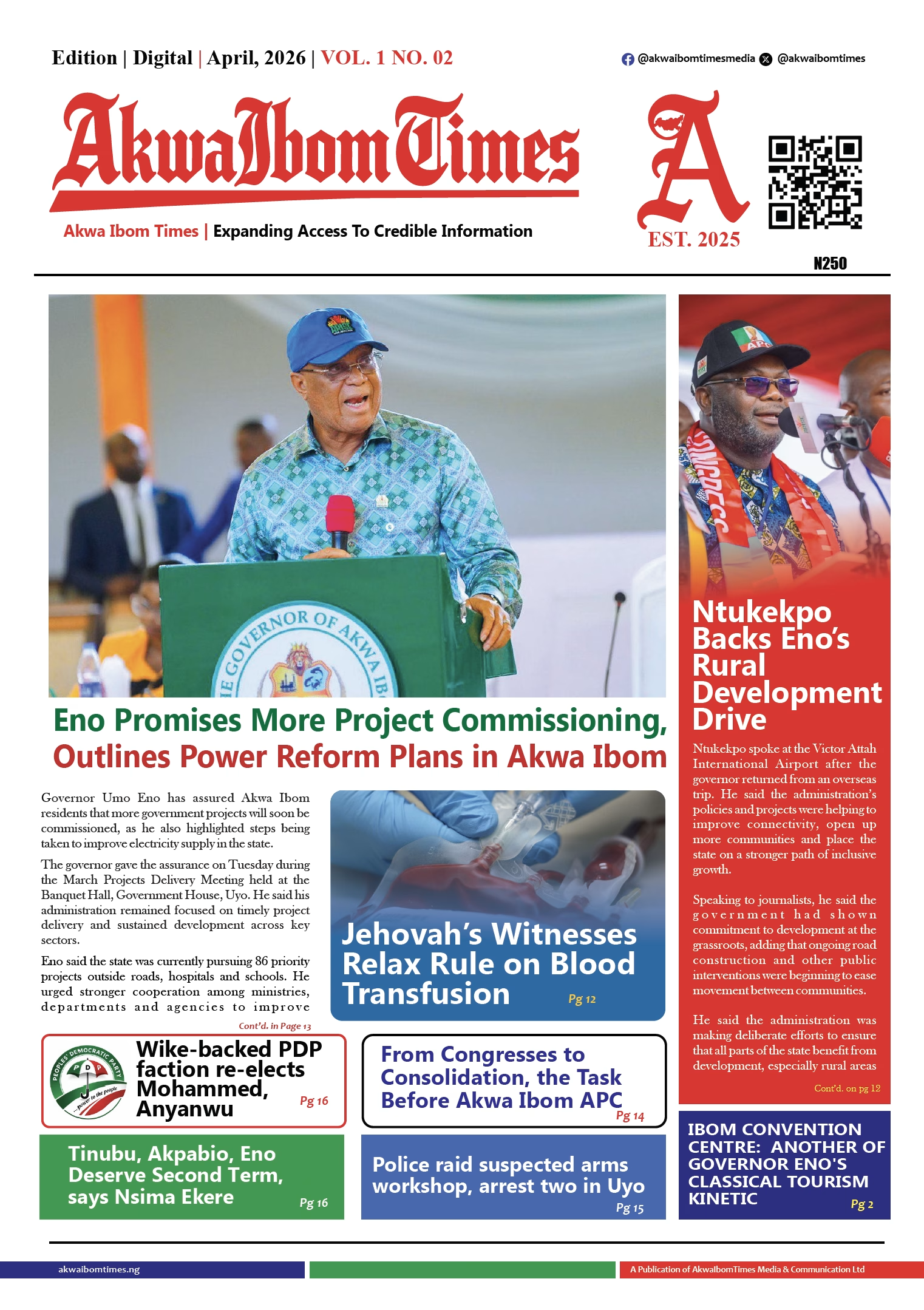

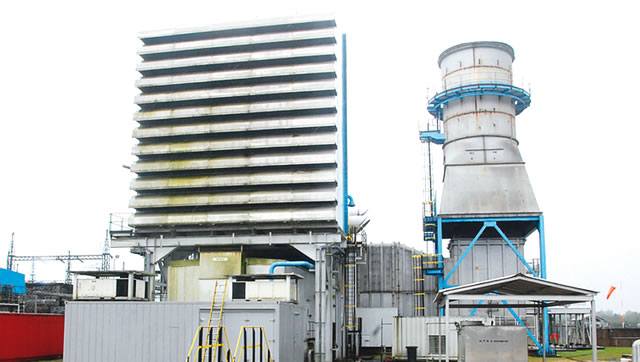

The energy landscape of Akwa Ibom State has recorded a significant breakthrough as Ibom Power Company has successfully activated island mode and supplied electricity directly to the state without reliance on the national grid. This marks an important moment in the state’s long struggle with unstable national transmission and represents one of the most practical steps yet towards energy self sufficiency under the administration of Governor Umo Eno.
For many years, Akwa Ibom’s electricity supply has depended on a single 132 kV transmission line linking Itu to Aba. This line has been widely known for recurrent faults, capacity limitations, and voltage instability. These issues have contributed to frequent statewide blackouts and have undermined economic activities, even as the state hosts one of Nigeria’s major independent power generation assets. The successful operation of island mode by Ibom Power Company therefore provides immediate relief from the dependence on this fragile national infrastructure.
What Island Mode Means and Why It Matters
Island mode refers to a technical operating state in which a power plant disconnects from the national grid and supplies electricity directly to its immediate environment in a controlled and stable manner. In practical terms, this allows Ibom Power Company to power Akwa Ibom’s internal distribution network even if the national grid collapses or suffers instability.
This is particularly important because Nigeria continues to experience frequent grid disturbances. During the nationwide blackout of October 2024, Ibom Power demonstrated the value of this capability when parts of the state remained powered through local substations despite the national failure.

The latest activation confirms that this capability is not a one off achievement but a deliberate and sustained operational strategy. As of today, Ibom Power has generated 84.24 megawatts into the state network under island mode. Technical parameters from the GTG3 turbine indicate stable and healthy operation. These include an exhaust temperature of 477 degrees Celsius, an exhaust spread of 19 degrees Celsius, a vibration level of 5.36 millimetres per second, a compressor discharge pressure of 9.6 bar, and a steady gas flow of 5.7 kilograms per second. These readings point to efficient turbine performance.
Governor Umo Eno’s Reforms and the Political Will Behind the Achievement
A critical part of this development is the sustained intervention of Governor Umo Eno. On assumption of office, the governor embarked on an on site inspection of the Ibom Power plant in Ikot Abasi. His visit was not for ceremony but to obtain a first hand understanding of the problems affecting the facility. During that tour, he ordered a comprehensive technical and operational audit of Ibom Power with the goal of restoring full capacity and reliability.
In December 2024, the governor declared a state of emergency in the power sector. This move was designed to accelerate reforms and to ensure that electricity supply became central to the ARISE economic agenda of his administration. The emergency declaration was followed by the creation of a Power Infrastructure Committee charged with addressing bottlenecks, coordinating policy decisions, and aligning the state’s power strategy with the growing needs of industry and households.
Under Governor Eno, attention shifted to the technical backbone of Ibom Power. The administration encouraged the introduction of advanced control systems that allow the plant to rapidly disconnect from the unstable national grid and switch into island mode when required. This single capability now stands as one of the most meaningful contributions to energy stability in the state. The governor has repeatedly stated that reliable power is a non negotiable requirement for the state’s industrial ambitions and has backed this commitment with consistent policy action.
Management Changes and Their Impact on Performance
Another turning point in this transformation has been the restructuring of the company’s leadership. In late 2024, Ibom Power Company experienced a significant change in management with the appointment of a new acting Managing Director, Engr Camillus Umoh, who replaced Engr Meyen Etukudo. Although the former managing director had made progress in reducing the company’s long standing debt burden, the administration sought renewed technical direction to unlock the full potential of the power plant.
Under the new leadership, internal reforms have taken shape. Technical maintenance schedules have been tightened, communication between the control room and gas suppliers has been strengthened, and the plant has benefited from improved coordination with the Akwa Ibom State Government and the Transmission Company of Nigeria. The company’s internal publications also confirm the installation of new systems that detect grid disturbances and automatically trigger protective island mode operation.
These management improvements have resulted in a more disciplined operational environment. The plant is now able to stabilise output, respond more quickly to disruptions, and maintain consistent power flow to designated substations across the state.
Economic Significance and Future Prospects
The ability of Ibom Power to operate independently brings several long term benefits. The first is energy security. By reducing dependence on the troubled national grid, Akwa Ibom gains more control over its internal power supply. This makes it possible to support industries, agro processing zones, residential communities, and public infrastructure without the constant fear of grid collapse.
Secondly, the development strengthens the state’s economic agenda. Many of the projects under Governor Eno’s ARISE programme, including the Ibom Industrial City, the medical corridor, and planned manufacturing clusters, require consistent electricity supply. Island mode operation adds a layer of reliability that can attract investors and reduce the cost of doing business.
Thirdly, the breakthrough offers a model for other states in Nigeria. Ibom Power is a state owned generation asset and its success in achieving technical isolation from the national grid presents a pathway for subnational energy resilience.
However, challenges remain. The current output of 84.24 megawatts is only a fraction of the plant’s licensed capacity of 191 megawatts. Sustaining higher output will require continuous investment in maintenance, gas supply reliability, and upgrades to distribution infrastructure. The company also remains financially linked to the Nigerian Bulk Electricity Trading company which adds regulatory and market complexities that must be managed carefully.
Conclusion
The activation of island mode at Ibom Power Company is a landmark achievement for Akwa Ibom State. It is the product of clear political will, purposeful management reforms, and dedicated technical work. Governor Umo Eno’s commitment to restructuring the power sector and strengthening the state’s energy backbone has been central to this success.
Today, Akwa Ibom stands closer to energy independence than ever before. With continued investment and strategic oversight, the state is on course to build one of the most resilient and efficient subnational electricity systems in Nigeria.
—
Destiny Young, is the Special Assistant to the Governor on New Media and Digital Communication