


Akwa Ibom used its 2026 International Women’s Day event to send a broader social message, that public policy should protect women while also extending dignity and structured support to older citizens.
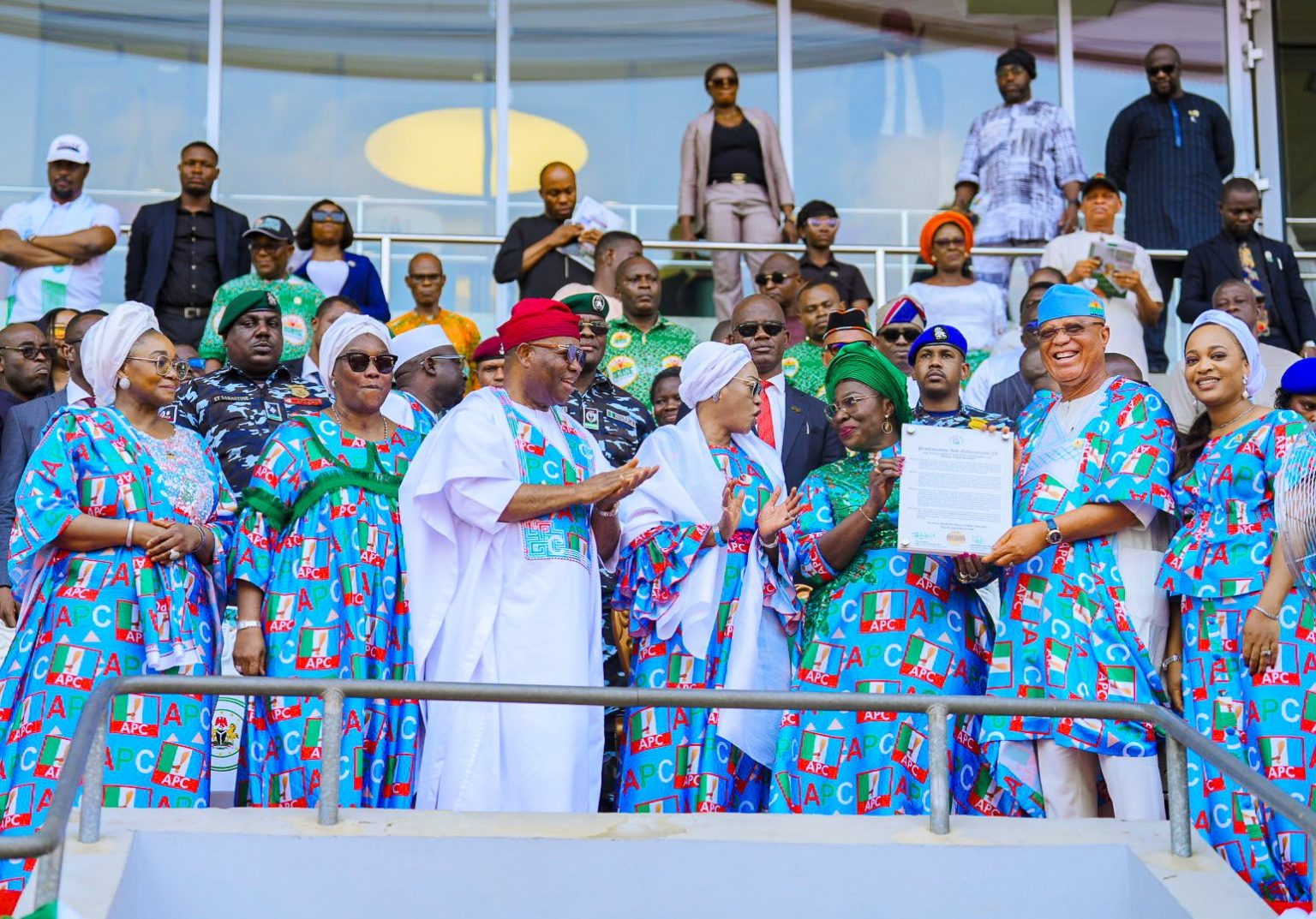
That message came into focus on Saturday, 7 March 2026, when the state hosted Nigeria’s First Lady, Senator Oluremi Tinubu, at the Godswill Akpabio International Stadium in Uyo for the International Women’s Day celebration. The event, held under the theme, “Rights, Justice, Action, For All Women and Girls,” also coincided with activities surrounding the commissioning of the ARISE Senior Citizens’ Centre along the Uyo, Ikot Ekpene Road.
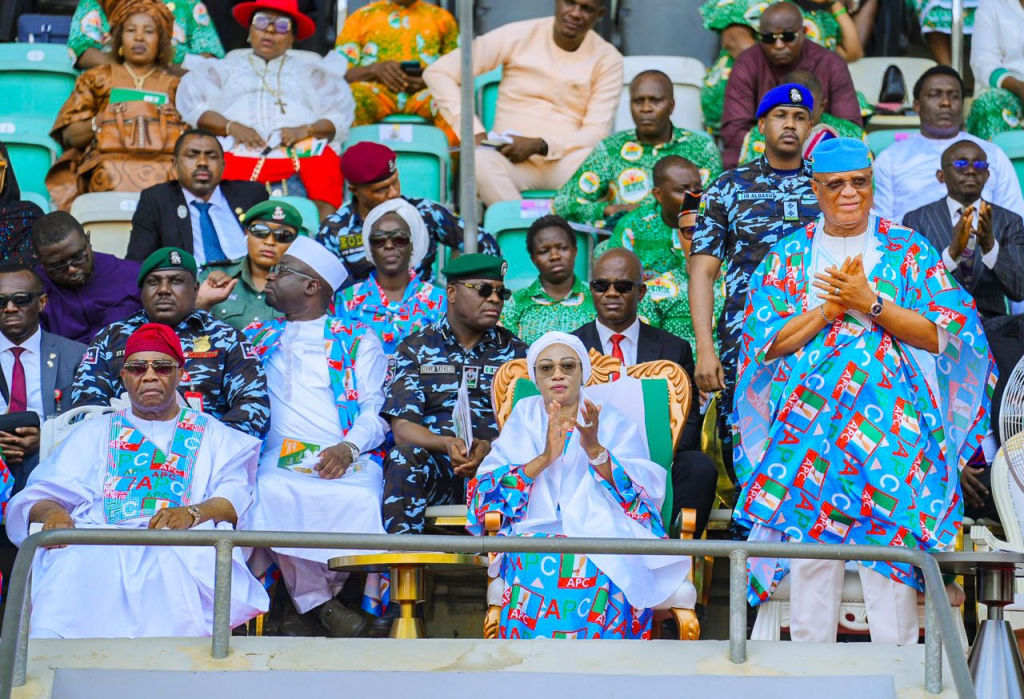
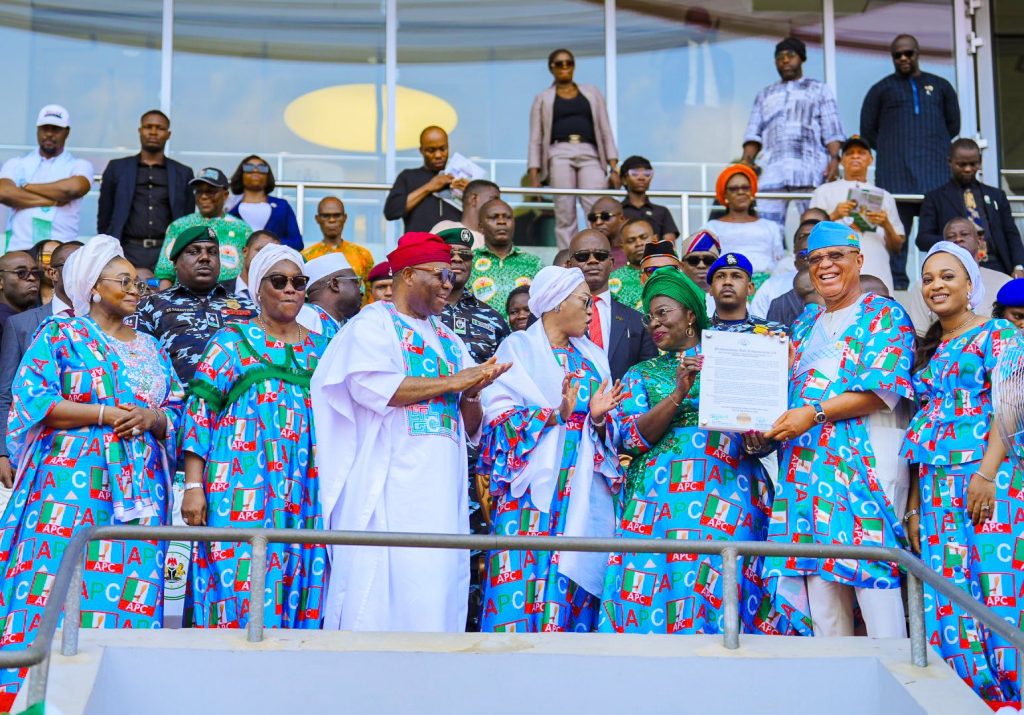
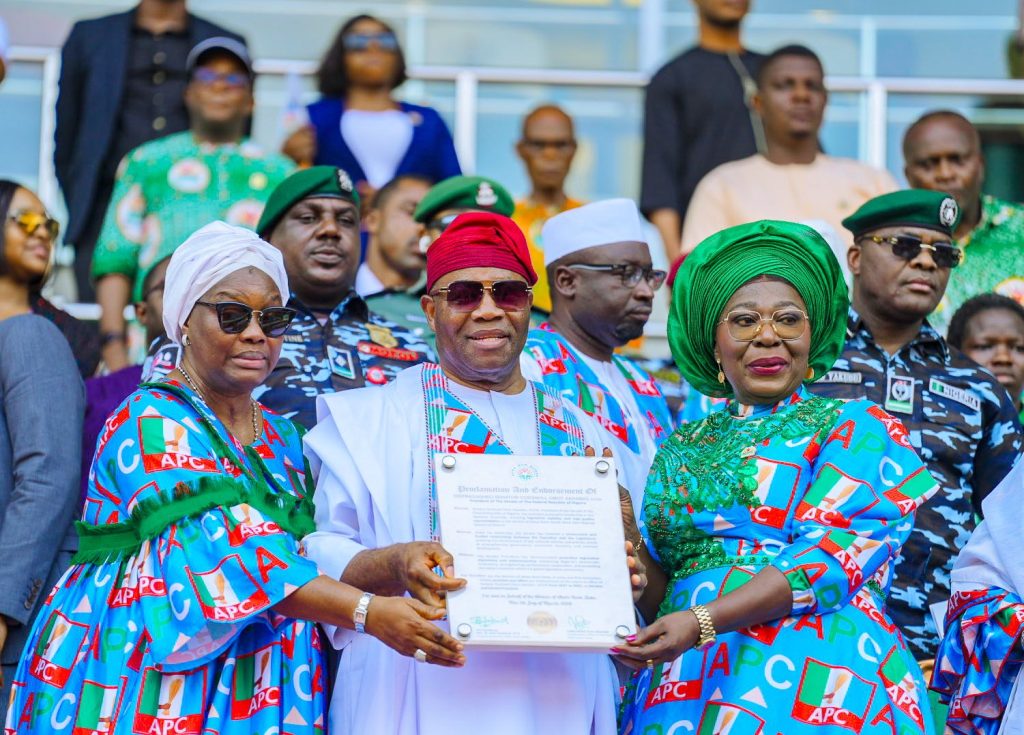
What stood out was the way both issues were connected. At the stadium, the celebration centred on women’s rights, inclusion, economic opportunity and representation. At the same time, the state projected elderly care as part of the same social responsibility agenda, making the point that a caring society must protect both women and senior citizens.
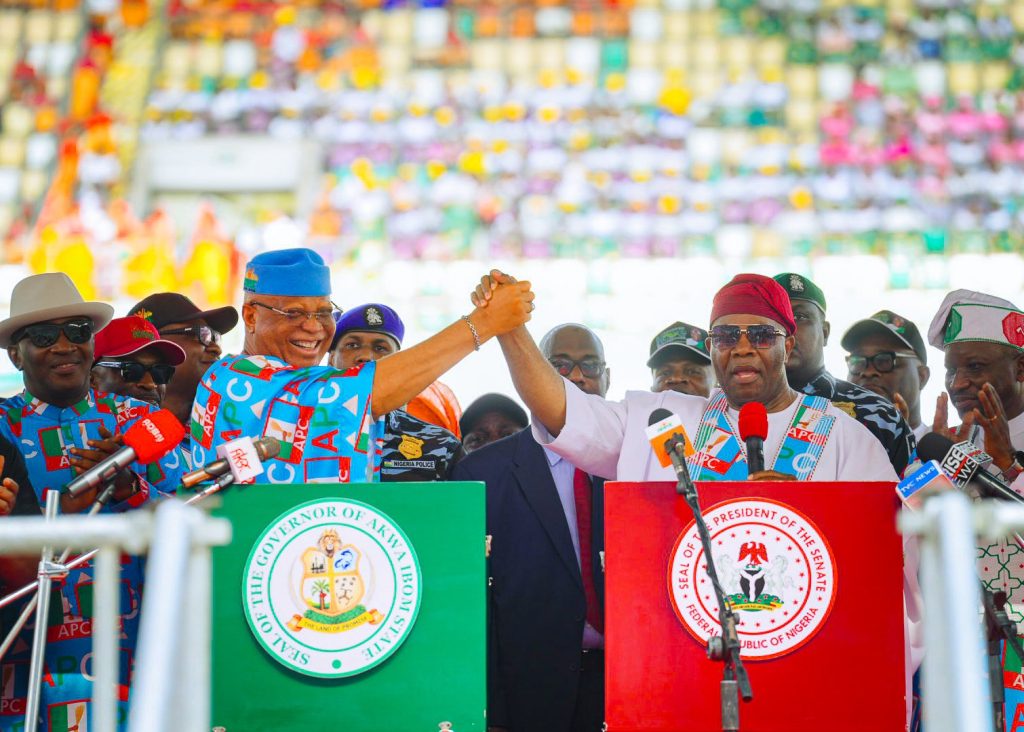
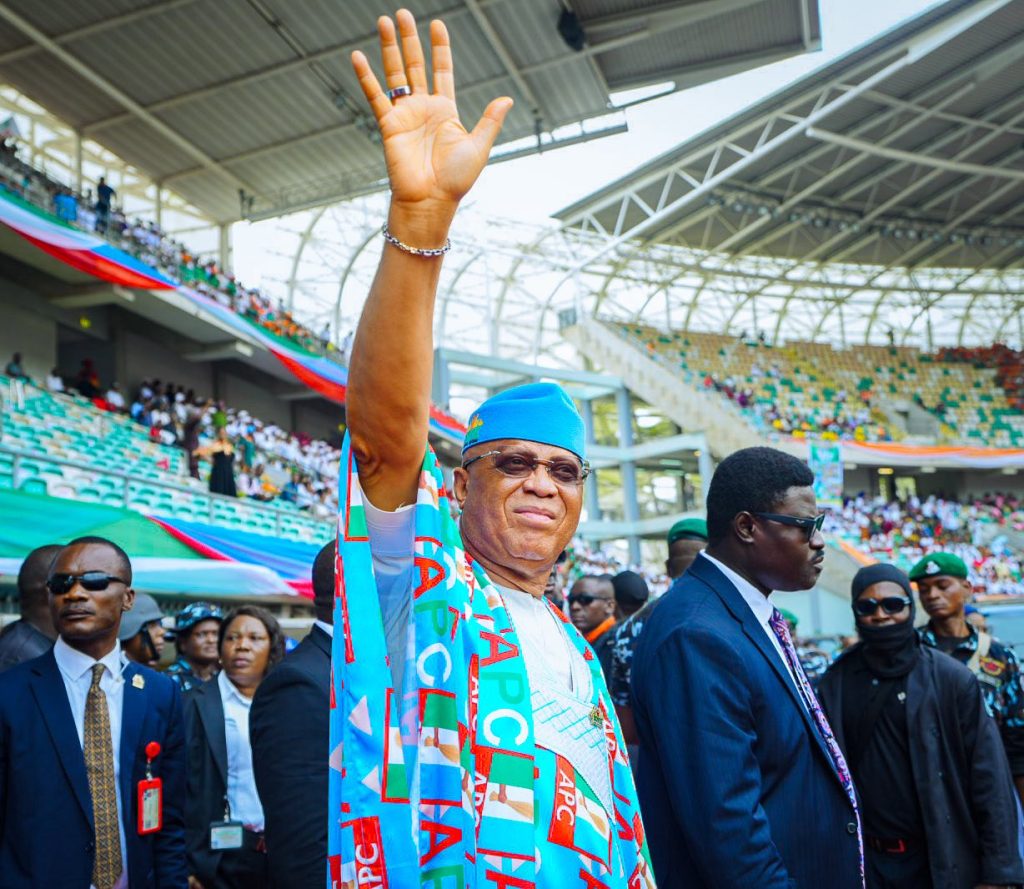
The Akwa Ibom State Government had already framed the visit in those terms. In its public communication ahead of the event, the government stressed its commitment to an inclusive society where women are empowered to lead and contribute to development. It also presented the Senior Citizens’ Centre as a purpose built facility designed to support the wellbeing of elderly residents across the state.
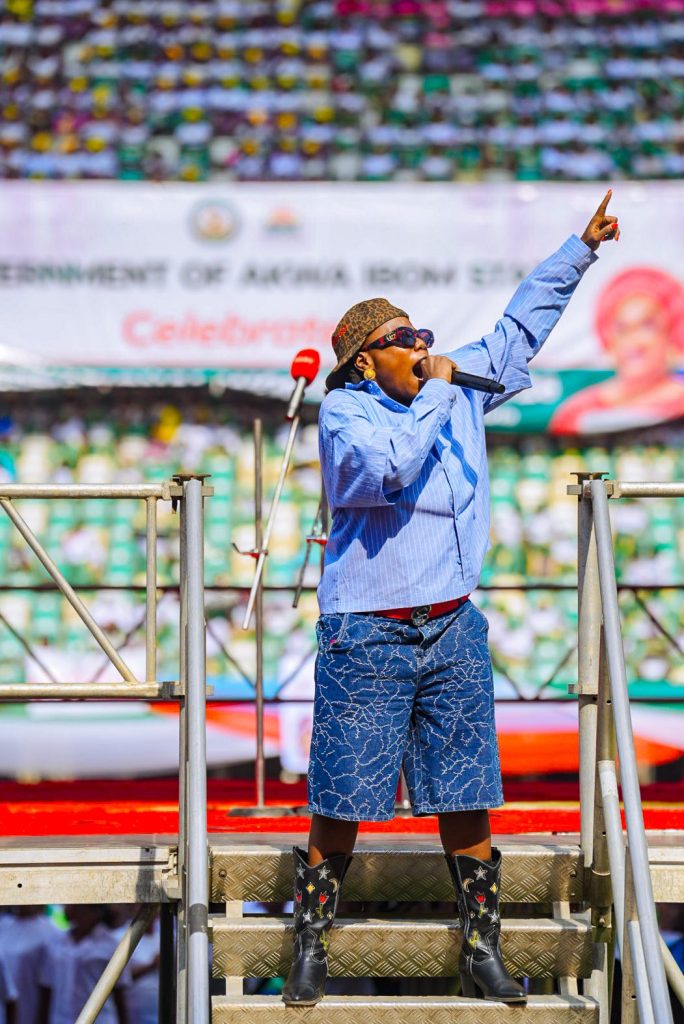
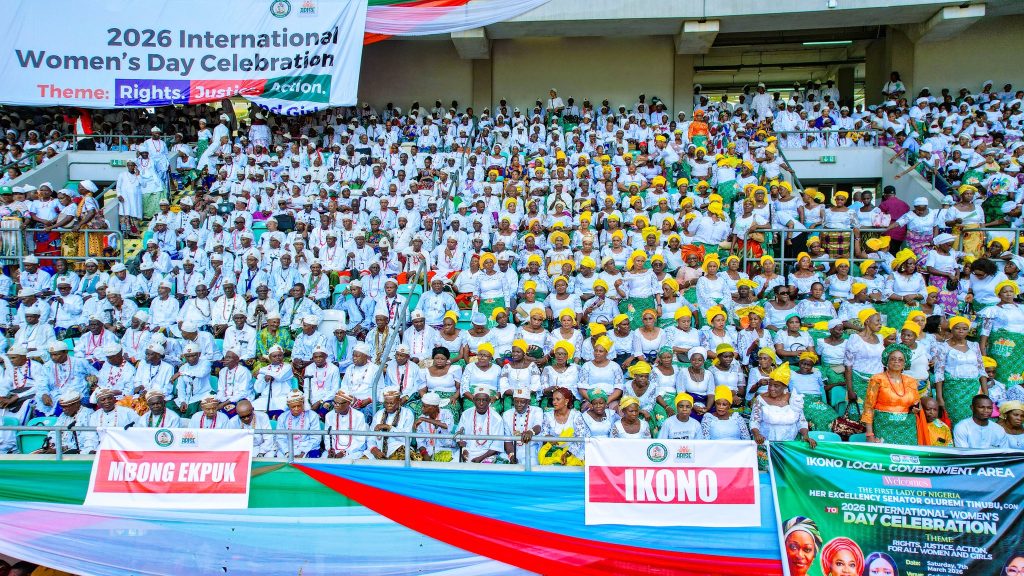
That connection became even clearer during the stadium event. The gathering did not only celebrate women, it also reinforced the need for stronger social protection. Senator Oluremi Tinubu described the global theme as a call to defend the rights of women and girls through education, economic empowerment, healthcare, social protection and equity. She also spoke warmly about the need to care for older citizens, presenting elderly welfare as a cause that deserves sustained public attention.
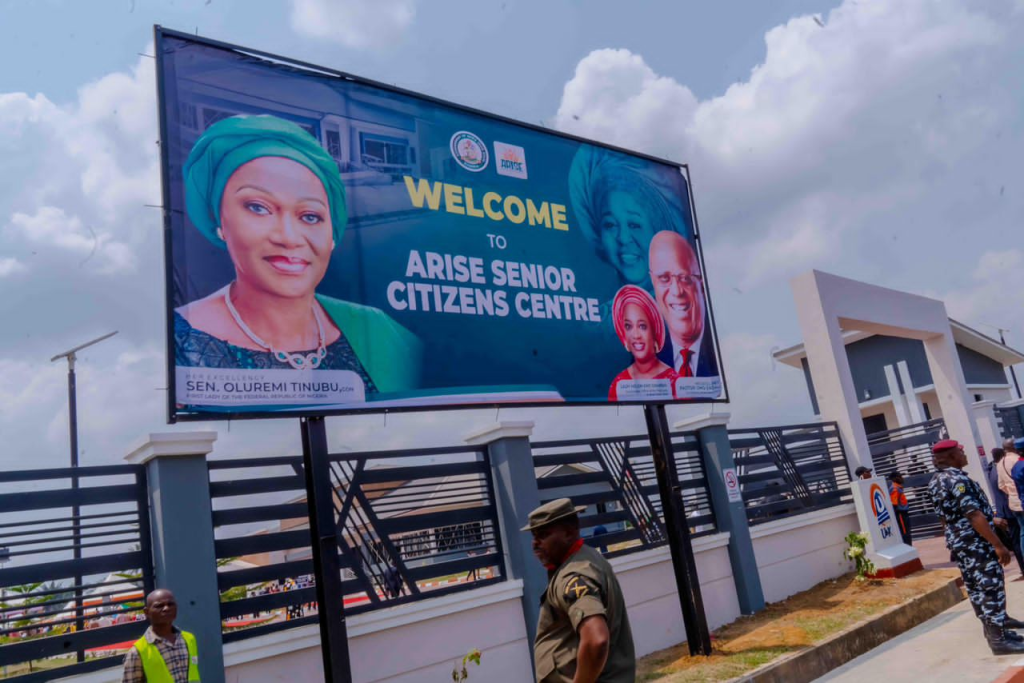
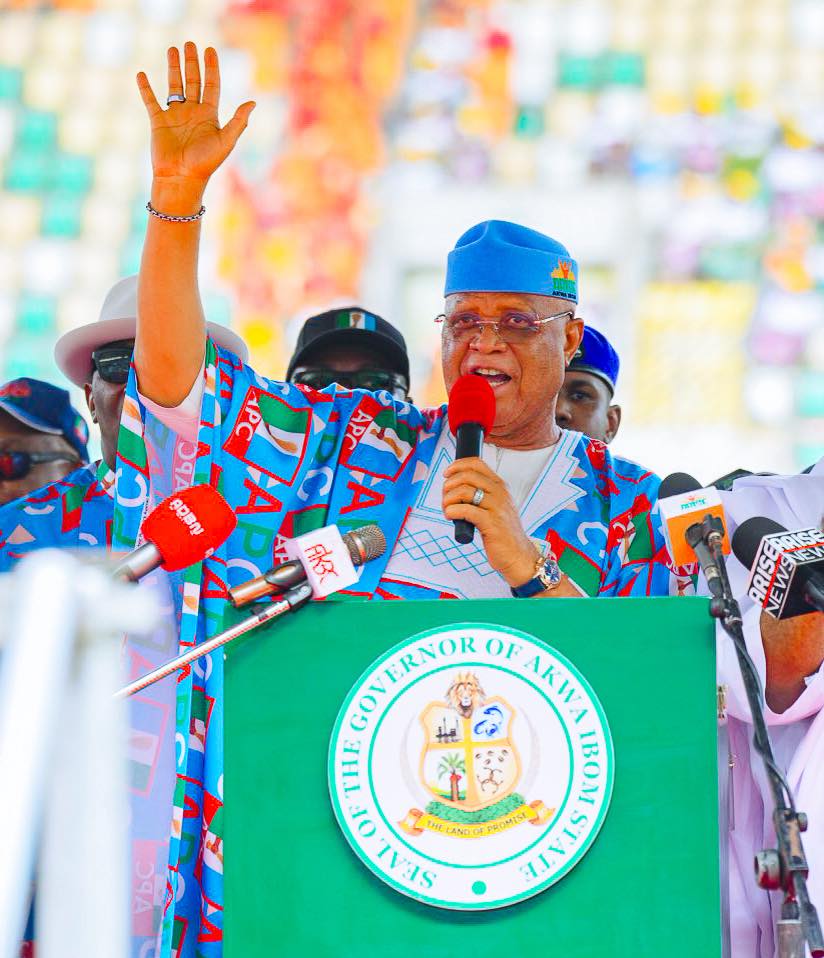
The Akwa Ibom gathering therefore went beyond ceremony. It projected a policy direction. Women were recognised as central to economic growth and civic participation, while elderly care was presented as a duty that government should not leave entirely to families. Governor Umo Eno also signalled that his administration would pursue legislative backing for elderly welfare by sending a bill to the Akwa Ibom State House of Assembly.
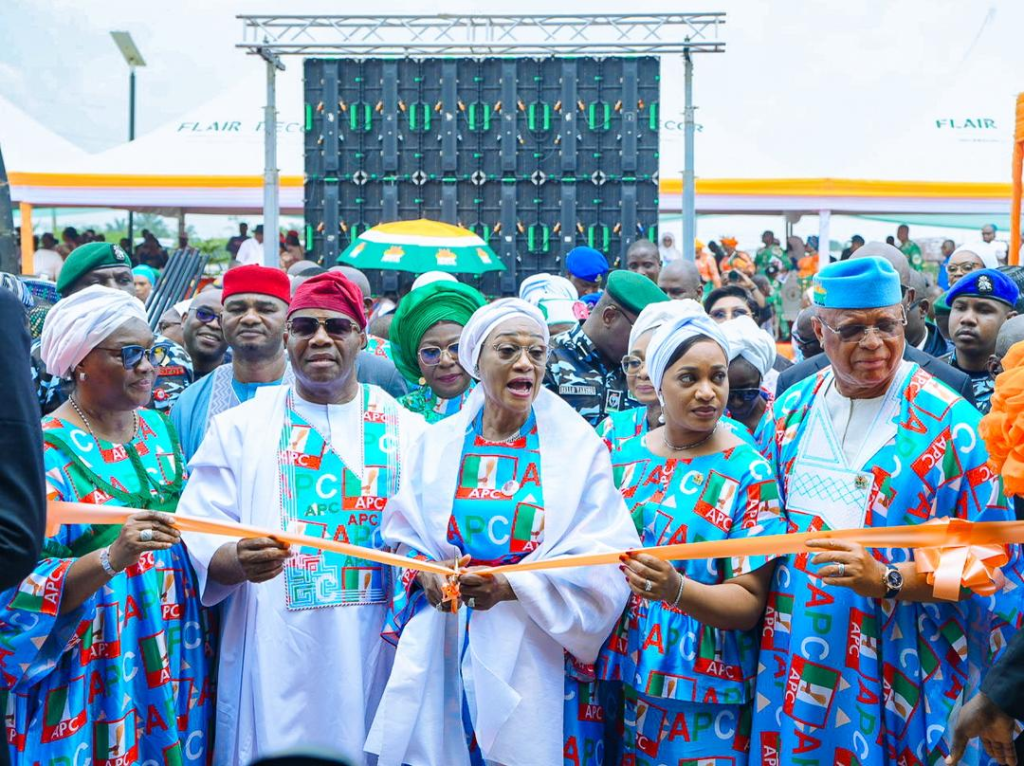
The women’s side of that message was also reflected in state policy. On the same day, Governor Eno announced that his administration would inject N20 million into cooperative societies in each of Akwa Ibom’s 369 wards, with women empowerment programmes to be driven through cooperatives for better coordination and wider impact. That gave the International Women’s Day message a practical dimension, linking speeches with direct economic support.
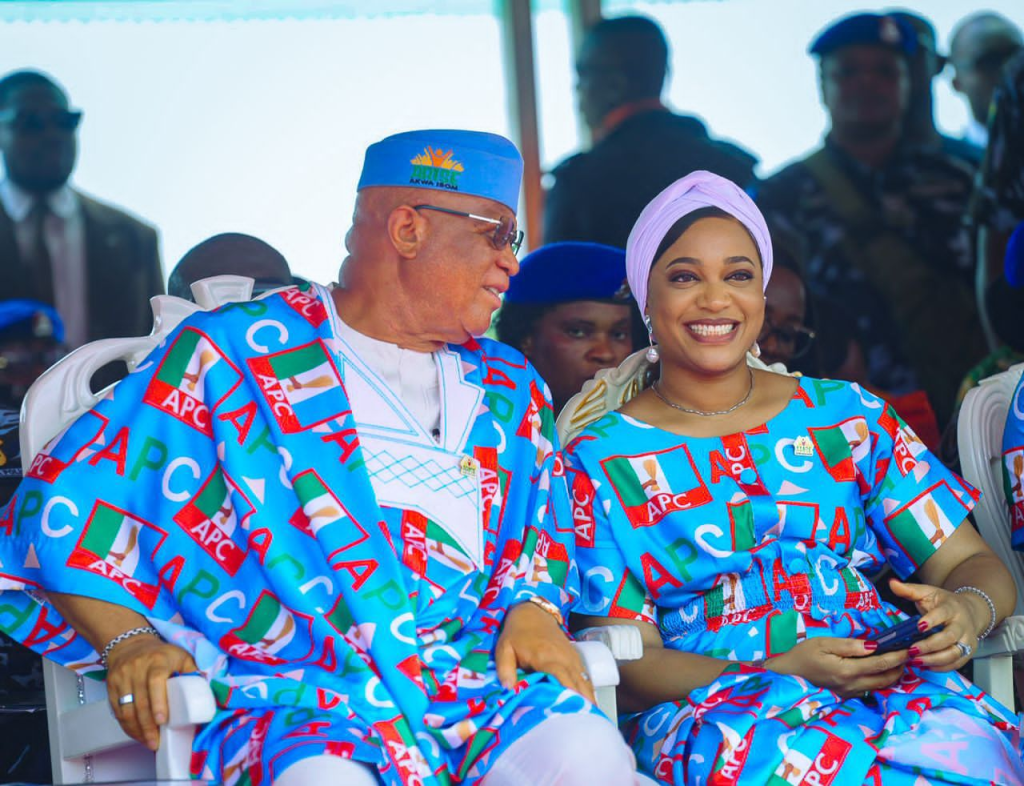
The Senior Citizens’ Centre itself added weight to the state’s position. Official details released ahead of the commissioning showed that the facility is the first of its kind planned for the three senatorial districts. It includes a primary healthcare clinic, laboratory, pharmacy, lounge, library, games room, gymnasium, counselling unit, kitchen and dining spaces. The centre was also described as an initiative connected to the vision of the late Patience Umo Eno and inspired by compassion for the elderly.

Taken together, what happened at the Godswill Akpabio International Stadium was more than an annual observance. Akwa Ibom turned International Women’s Day into a statement about the kind of society it wants to build, one that invests in women, widens access to opportunity, and does not treat older citizens as an afterthought. In that sense, the event carried two clear messages at once. Empower women. Protect the elderly.