


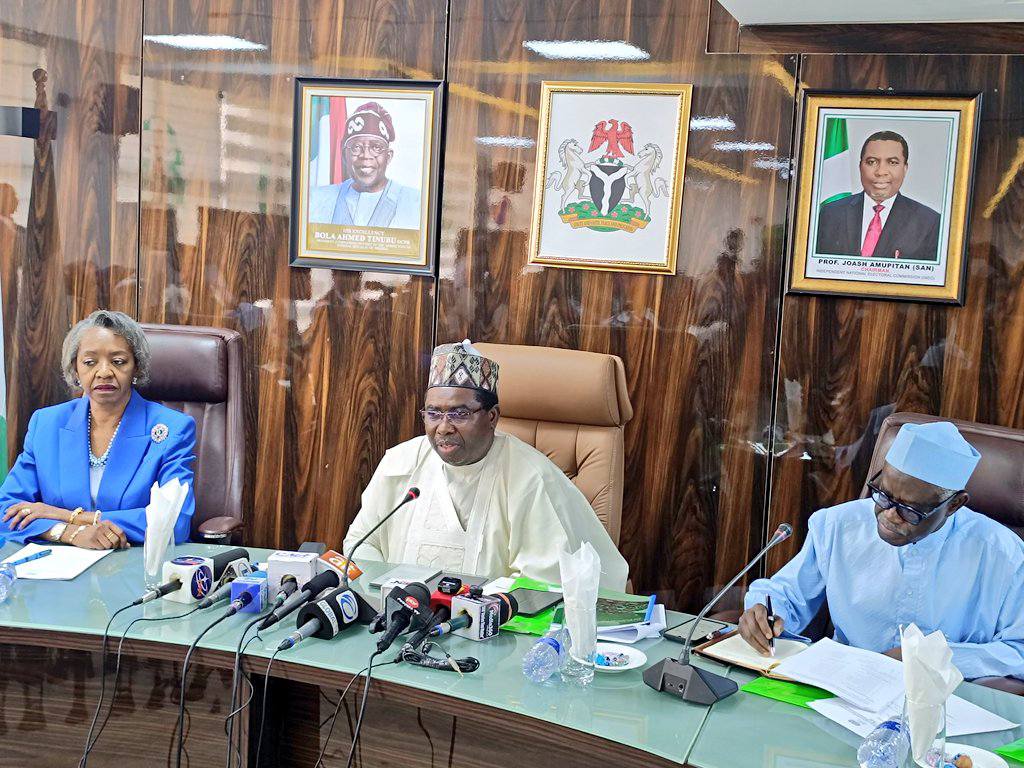
The Independent National Electoral Commission, INEC, has presented a draft of its 2026 Regulations and Guidelines for Political Parties to party leaders in Abuja, as part of preparations for the 2027 general elections.
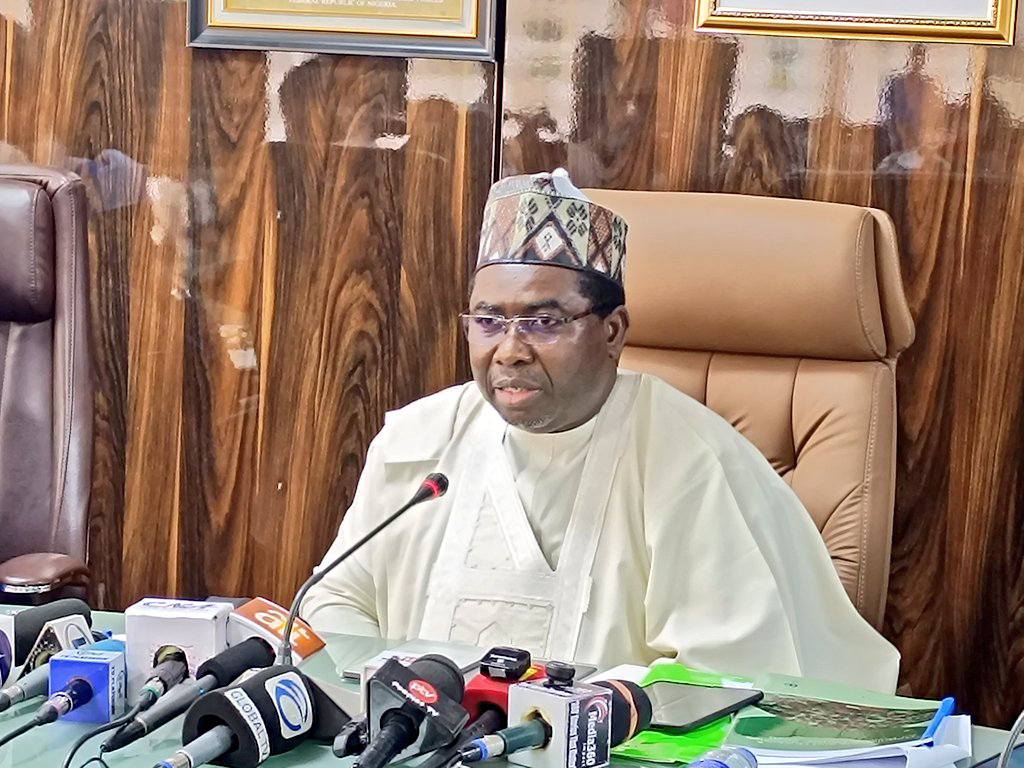
At a consultative meeting with political parties, the commission said the proposed framework is intended to guide party activities in the new electoral cycle and align existing rules with the Electoral Act 2026.
INEC Chairman, Prof. Joash Amupitan, said credible elections begin long before election day, adding that the commission and political parties share responsibility for protecting Nigeria’s democratic process.
He said the draft document followed an internal review of the 2022 regulations and was designed to reflect current legal provisions. According to him, the commission cannot rely on an outdated framework as it prepares for the 2027 elections.
Amupitan said the review was also backed by constitutional and statutory powers granted to INEC, including its authority under Section 93(2) of the Electoral Act 2026 to determine election expenses for political parties after consultation with relevant stakeholders.
He urged the parties to pay close attention to Clauses 40(4) and 40(5) of the draft, which deal with financial rules relating to party primaries and election activities.
The INEC chairman noted that the commission is working within a tight schedule, with the presidential and National Assembly elections fixed for January 16, 2027, while governorship and state assembly elections are set for February 6, 2027.
He said the shorter legal timeline requires careful planning and precise execution by both the commission and political parties.
According to INEC, the draft regulations cover major aspects of party administration, including registration, mergers, internal operations, primaries, campaign activities, political finance and procedures for deregistration.
The commission also said the framework includes measurable provisions aimed at improving the participation of women, young people and persons with disabilities in the political process.
Responding on behalf of the political parties, the National Chairman of the Inter-Party Advisory Council, Dr Dantalle, welcomed the consultative approach adopted by INEC and described it as necessary for producing practical and effective regulations.
He said political parties would study the draft and offer constructive input, while also raising issues that require further clarification.
Among the concerns raised was the need for some flexibility in the conduct of party primaries. Dantalle said primaries remain internal matters for political parties and should be treated with due consideration in the final document.
He also pointed to challenges surrounding membership registration, saying parties often face difficulties compiling comprehensive registers within the required time. He urged INEC to adopt provisions that promote both accountability and inclusion.
On election result management, Dantalle called for clear rules on electronic transmission, saying transparency must remain central to the process. He said political parties support the use of technology, but want unambiguous provisions that leave no room for confusion.
He also renewed calls for the establishment of an Electoral Offences Commission to strengthen action against vote buying and other forms of electoral misconduct. He said, pending such a body, the regulations should help reinforce accountability.
In his closing remarks, Amupitan thanked party leaders for their contributions and assured them that all submissions would be reviewed before the guidelines are finalised.
He said the engagement was necessary to ensure the final regulations reflect the experience and concerns of all stakeholders.
INEC is expected to incorporate the feedback received at the meeting into the final version of the 2026 Regulations and Guidelines for Political Parties ahead of the 2027 general elections.