

By | Destiny Young
Today, April 24, 2026, His Excellency, Pastor Umo Eno, PhD, Governor of Akwa Ibom State, marks his 62nd birthday. It is a day of thanksgiving, reflection and renewed hope for a leader whose public service has continued to touch lives across the state.
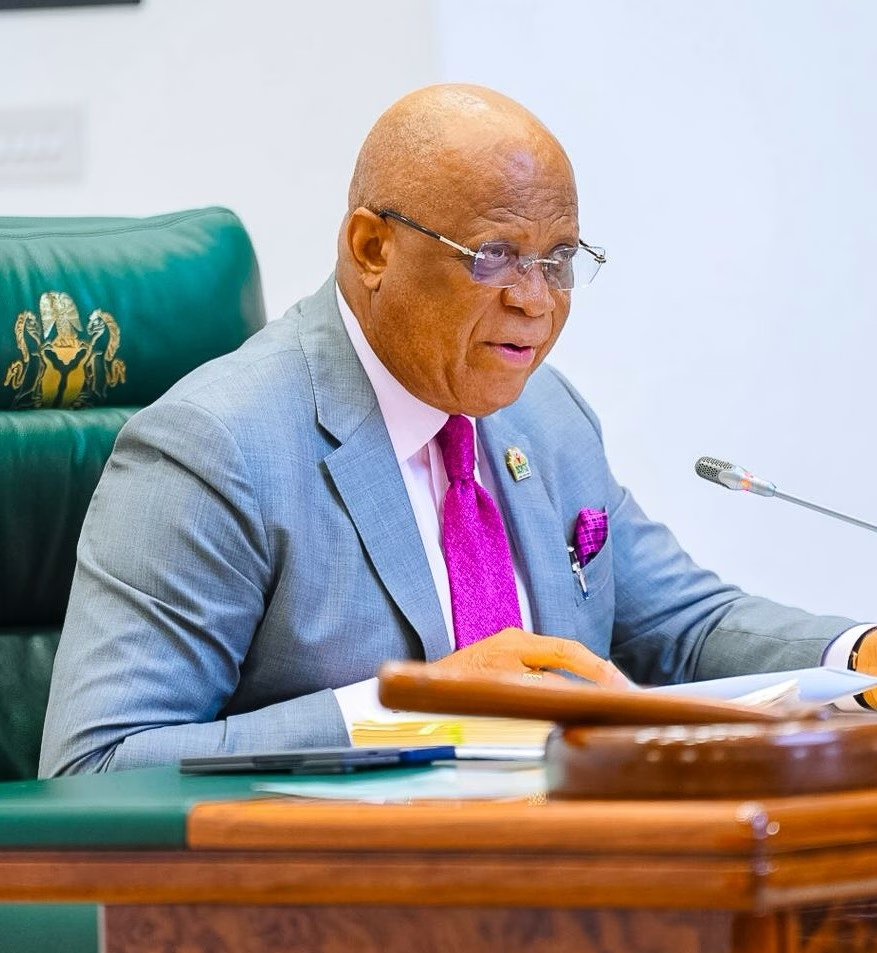
For me, this birthday is not only about celebrating age. It is about celebrating impact. It is about recognising a governor who has chosen development over noise, compassion over ceremony, and long-term economic value over short-term applause.
Governor Umo Eno has already asked well-wishers to convert birthday gifts into support for the poor, the vulnerable and orphanages. That instruction captures the spirit of his leadership. It also reflects the larger philosophy behind the ARISE Agenda, which places people at the centre of governance.
As he turns 62, I believe the best way to celebrate him is to highlight the life-touching interventions and strategic projects that are laying the foundation for Akwa Ibom’s future.
First, power sector reform stands as one of the most economically important interventions of this administration. No modern economy can grow without reliable electricity. Industries need power. Small businesses need power. Hospitals, schools, technology hubs, hospitality businesses and manufacturing clusters all depend on energy. The administration’s power reform agenda, including efforts to deepen Akwa Ibom’s electricity market, can become the engine that drives industrialisation, job creation and local enterprise growth.
Second, the Ibom Deep Seaport remains a major economic gateway for the future. A functional deep seaport will not only serve Akwa Ibom. It will position the state as a logistics and maritime hub within the Gulf of Guinea. It will create opportunities in shipping, warehousing, haulage, clearing and forwarding, marine services, manufacturing and export trade. Governor Eno has reaffirmed his administration’s commitment to the project, and the state has continued documentation and due process toward its implementation.
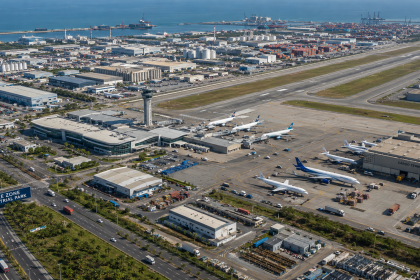
Third, aviation, airport expansion and cargo-related infrastructure are critical to the state’s economic future. When combined with the seaport, free zones and improved road corridors, Akwa Ibom can build a strong logistics ecosystem. This will attract investors, reduce the cost of doing business and open the state to regional and international commerce.
Fourth, road infrastructure and strategic connectivity remain key. The approval of major development projects, including the dualisation and construction of the six-lane, 36-kilometre Nung Udoe, Afaha Offiong, Ikot Imo and Itreto road, shows a clear understanding that economic growth follows access. Roads connect farmers to markets, workers to jobs, students to schools and communities to opportunities.
Fifth, the agricultural revolution under the ARISE Agenda is central to food security and rural prosperity. Akwa Ibom must produce more of what it consumes. A serious agricultural policy will reduce food inflation, create rural jobs, support agro-processing and keep money within local communities. Agriculture is not only about farming. It is about value chains, storage, transport, processing, marketing and export.
Sixth, rural development and compassionate interventions are giving governance a human face. The ARISE Compassionate Homes programme and related social interventions are touching the lives of vulnerable citizens. For families who have never owned a decent home, this is not politics. It is dignity. It is security. It is a new beginning.
Seventh, investments in healthcare and education will determine the quality of Akwa Ibom’s human capital. A future-ready state must produce healthy, skilled and confident citizens. When government improves hospitals, strengthens schools and supports skills development, it builds the workforce that will drive the economy of tomorrow.
Eighth, tourism, hospitality and public infrastructure renewal will strengthen the service economy. Akwa Ibom already has natural beauty, cultural richness, hospitality assets and a peaceful environment. With the right infrastructure and branding, tourism can create jobs for young people, support small businesses and expand the state’s non-oil economy.
Ninth, the administration’s focus on financial discipline, revenue growth and better public-sector coordination matters. Development does not happen by wishful thinking. It requires planning, funding and execution. A government that improves internal revenue, manages public resources and links spending to clear outcomes will have greater capacity to deliver sustainable projects.
Taken together, these interventions show a pattern. Governor Umo Eno is not building isolated projects. He is building an economic system. Power will support industry. Roads will support movement. Agriculture will support food security. The seaport and airport will support trade. Education and healthcare will support human capital. Housing and welfare will support dignity. Tourism will support jobs. Revenue reform will support sustainability.
This is why his 62nd birthday deserves more than routine congratulatory messages. It deserves a clear recognition of the direction his administration is taking Akwa Ibom.
The future impact of these projects will be seen in stronger communities, more jobs, better infrastructure, higher investor confidence, improved quality of life and a state economy that can compete beyond government allocations.
As an Akwa Ibom son, I celebrate His Excellency, Pastor Umo Eno, PhD, on his 62nd birthday. As my Boss, I celebrate his humility, his people-centred leadership and his commitment to practical development.
May God grant him more wisdom, strength, sound health and courage as he continues to serve Akwa Ibom State.
Happy 62nd birthday, Your Excellency.
May your years ahead be marked by greater impact, deeper fulfilment and lasting legacy.
—
Destiny Young, an IT and Digital Communication Expert, serves as Special Assistant (New Media and Digital Communication) to the Executive Governor of Akwa Ibom State