

The Independent National Electoral Commission, INEC, has stepped up preparations for the 2027 general election with a three-day capacity-building workshop focused on procurement integrity, planning and risk management.
At the second day of the workshop, INEC Chairman, Prof. Joash O. Amupitan, SAN, joined National Electoral Commissioners and management staff in discussions aimed at strengthening transparency, accountability and operational efficiency in the commission’s procurement process.
INEC said the exercise forms part of its broader effort to improve election readiness and sustain public confidence in the electoral process. The commission noted that procurement plays a central role in the timely delivery of sensitive materials, deployment of technology and coordination of election logistics.
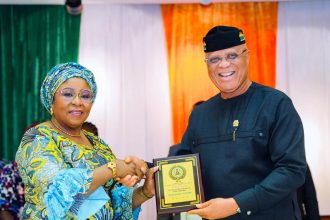
The workshop opened on Monday through National Commissioner, Mrs May Agbamuche-Mbu, while the chairman’s participation on day two highlighted the importance the commission places on procurement reform ahead of the 2027 polls.
Participants reviewed lessons from previous electoral cycles and examined practical issues around procurement timelines, vendor management, compliance and risk mitigation within Nigeria’s electoral environment.
The first session, titled Building Procurement Capacity for Election Readiness, was delivered by Mr Nelson Ojougboh of the Bureau of Public Procurement. He stressed the need for early and strategic planning, saying procurement activities must align with the national budget cycle to avoid delays and achieve value for money.
He also warned that procurement undertaken without a valid plan amounts to a breach of extant regulations. Ojougboh introduced revised Standard Bidding Documents designed to improve transparency, standardisation and efficiency in public procurement.
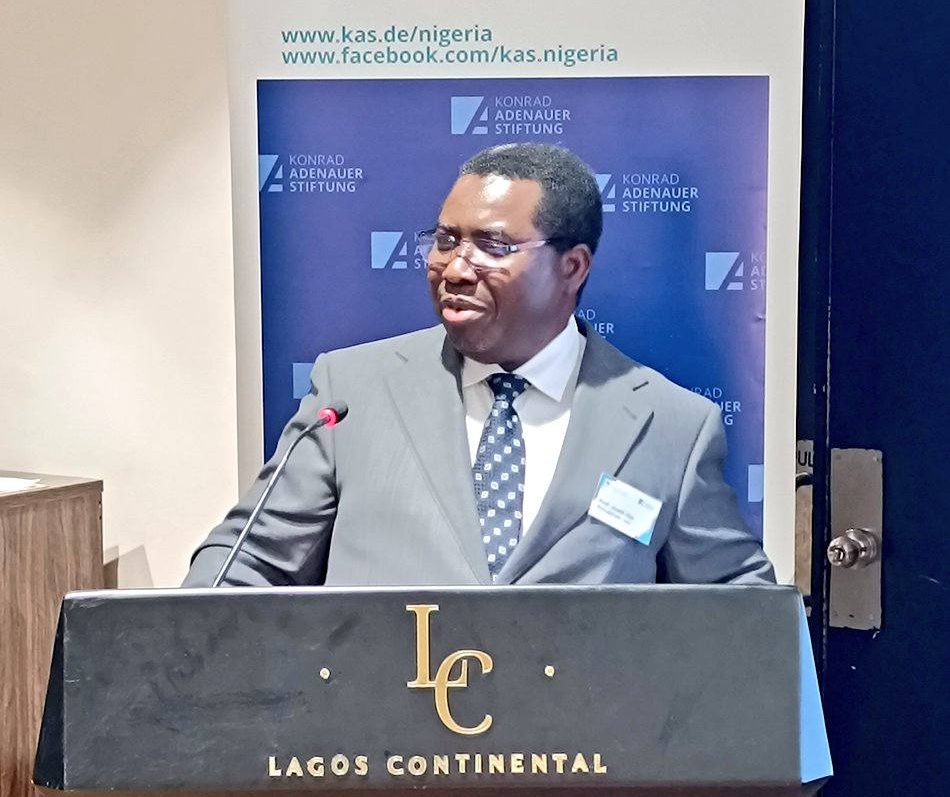
In the second session, Prof. Prince Michael Ikupolati spoke on risk management in public procurement in Nigeria. He identified operational inefficiencies, financial uncertainty, compliance gaps and reputational exposure as some of the major risks that could affect procurement outcomes.
He said proactive risk management remains necessary to protect public resources and preserve institutional integrity, especially in large-scale and time-sensitive operations such as national elections. He also highlighted the importance of performance bonds and contractor risk coverage as safeguards for accountability.
The third session, titled Procurement Planning as the Foundation for Electoral Readiness, was delivered by Mrs Nanzok Bukata. She emphasised the need for thorough needs assessment, market analysis and close alignment between procurement plans and the electoral calendar.
Bukata said statutory timelines leave little room for delay, making documentation, transparency and due process essential to successful procurement outcomes. She also stressed the importance of clear records and open procedures in sustaining public trust and institutional credibility.
INEC said the workshop has provided a platform for knowledge sharing among commissioners and directors, while reinforcing a shared commitment to institutional best practice.
As the workshop moves into its final day, the commission said it remains focused on translating the lessons from the sessions into practical frameworks that will support a credible, transparent and well-managed electoral process in 2027.