
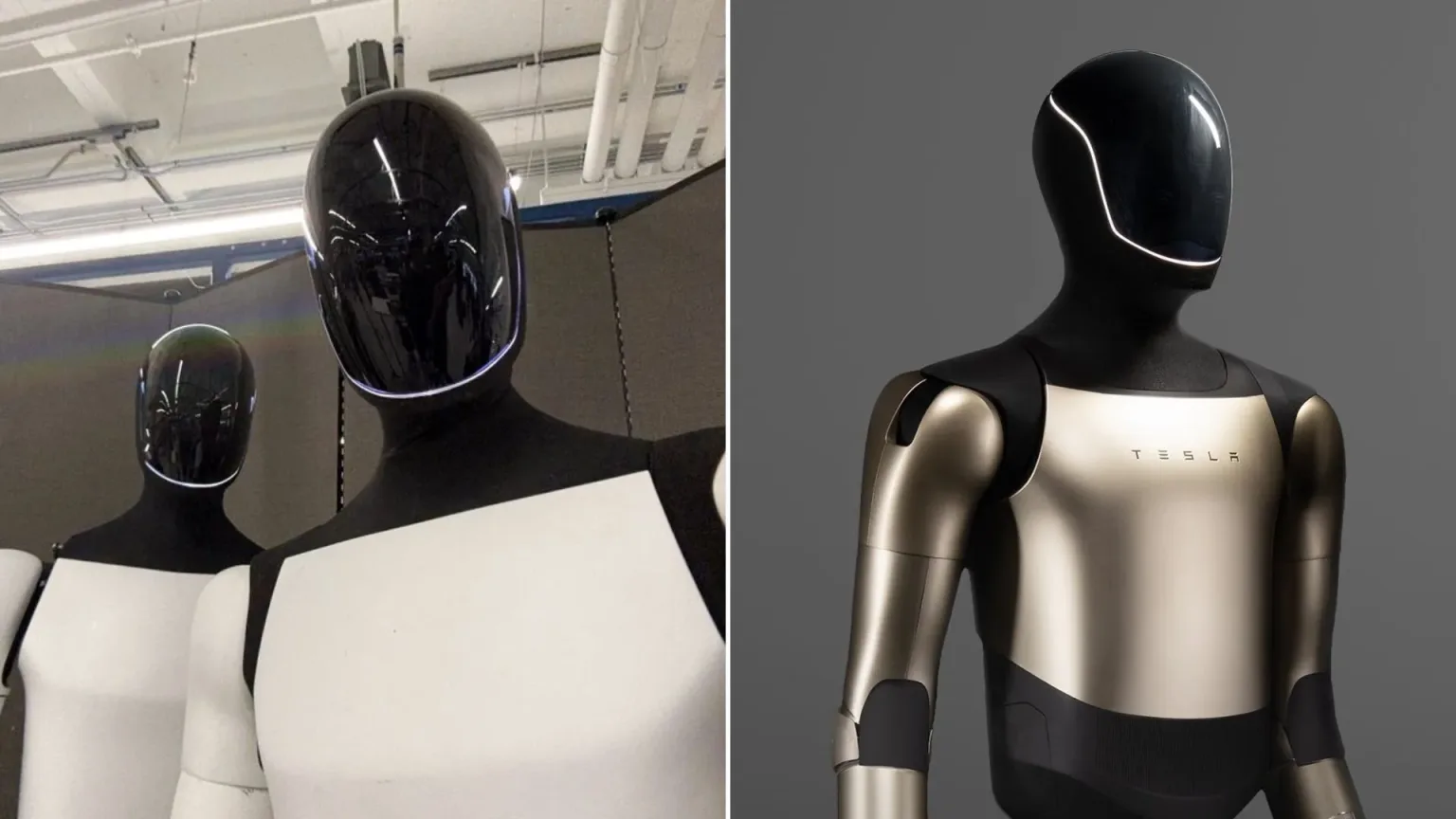

Tesla is pushing deeper into humanoid robotics, with Optimus emerging as one of the company’s most closely watched bets beyond electric vehicles and energy storage.
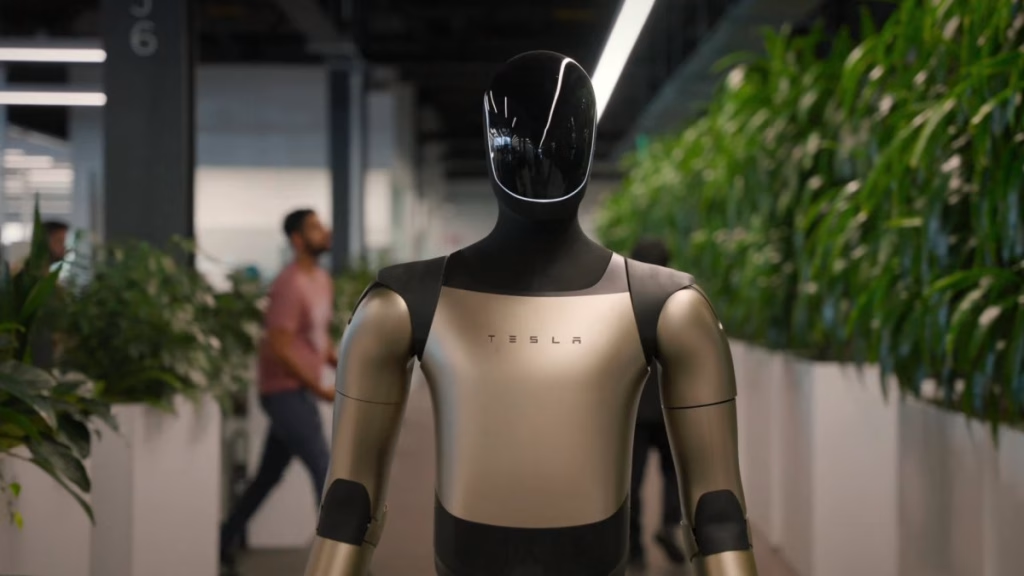
The company said in its fourth quarter 2025 update that it plans to unveil Optimus Gen 3 in the first quarter of 2026. Tesla described the new version as its first design meant for mass production and said preparations are underway for the first production line, with production planned before the end of 2026.
That marks a notable shift in the Optimus programme. What began as a futuristic prototype is now being framed by Tesla as a product with a manufacturing roadmap and a long-term industrial role.
Tesla has also set an eventual production capacity target of one million robots a year. If achieved, that would place the company among the world’s largest robotics manufacturers. For now, however, that figure remains a long-term goal rather than a current production reality.
The scale of the ambition is clear, but so is the challenge. Recent industry reporting indicates Tesla shipped fewer than 500 general-purpose embodied intelligent robots in 2025. That shows how early the commercial ramp still is, despite the speed of product development and the strength of Tesla’s public messaging.
A major part of the Optimus story is Tesla’s attempt to improve dexterity and practical use. The company said Gen 3 will include major upgrades from version 2.5, including its latest hand design. That matters because the usefulness of humanoid robots depends heavily on their ability to handle objects, adapt to changing environments and perform tasks that still require fine motor control.
Tesla’s wider artificial intelligence hardware push also supports the Optimus programme. The company is advancing new AI chips that are expected to support both autonomous driving systems and humanoid robots. If that hardware performs as expected, it could help Tesla build a tighter link between robotics, machine vision and decision-making in real-world settings.
Manufacturing remains the real test. A Tesla executive recently pointed to Shanghai operations as part of the company’s strategy for scaling robot production, suggesting that factory readiness and supply-chain execution will determine whether Optimus moves beyond limited deployment into serious volume manufacturing.
For now, Optimus remains a high-potential but still unproven business. Tesla has shown intent, momentum and a clearer production path. What it has not yet shown is sustained commercial output at scale, proven economics or broad real-world deployment across the industries where humanoid robots are expected to make the biggest impact.
If Tesla reaches even part of its stated target, the effect could be significant. Manufacturing and warehousing would likely see the earliest gains. Over time, more advanced service and home-assistance roles could follow, but only if cost, reliability and safety improve enough to support wider adoption.
Optimus is no longer just a concept used to showcase Tesla’s ambitions in AI. It is becoming a test of whether the company can translate advanced engineering, custom chips and factory scale into a new category of mass-produced machine.