

***Umo Eno enjoys the support of the majority of Akwa Ibom residents, Tinubu has the support of Nigerians
By | YOUNG, D | February 9, 2026
During every political season, society naturally falls into three groups. There are those who have clearly chosen their candidates. There are those whose choices are already settled, even if quietly held. There are also those who remain undecided. This article speaks directly to the third group, citizens who are yet to make up their minds ahead of the 2027 elections.
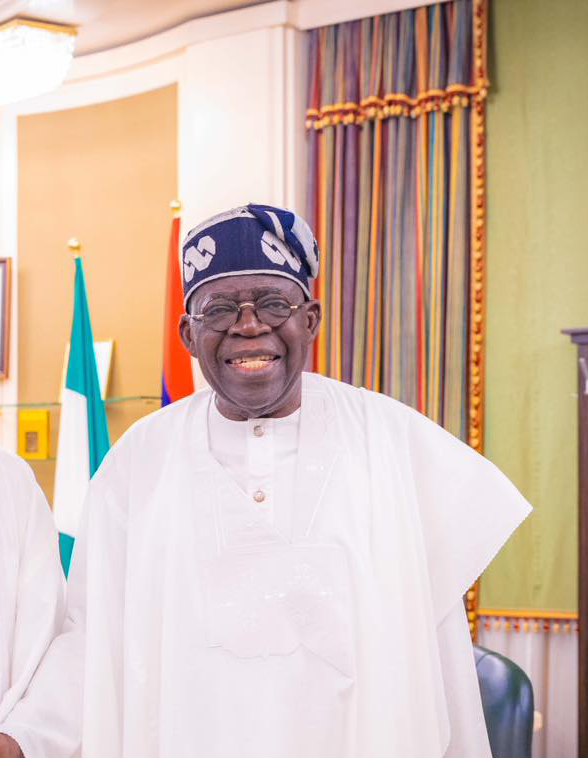
Across Nigeria, the conversation around President Bola Tinubu’s second term has steadily shifted from speculation to acceptance. Support for his re election has emerged from political leaders, organised groups, professionals, youth associations and Nigerians living abroad. These expressions of confidence are often rooted in the belief that the reforms underway require continuity. Supporters argue that national stability, economic restructuring and institutional strengthening are long term processes that demand consistency in leadership.
At the grassroots level, mobilisation in support of the President continues to grow. Community based organisations and civic groups in different parts of the country have openly aligned with his leadership. This reflects a perception that his administration represents a clear direction, even among citizens who may not agree with every policy decision. The underlying sentiment is that continuity offers predictability, which many Nigerians value in a period of economic and social adjustment.
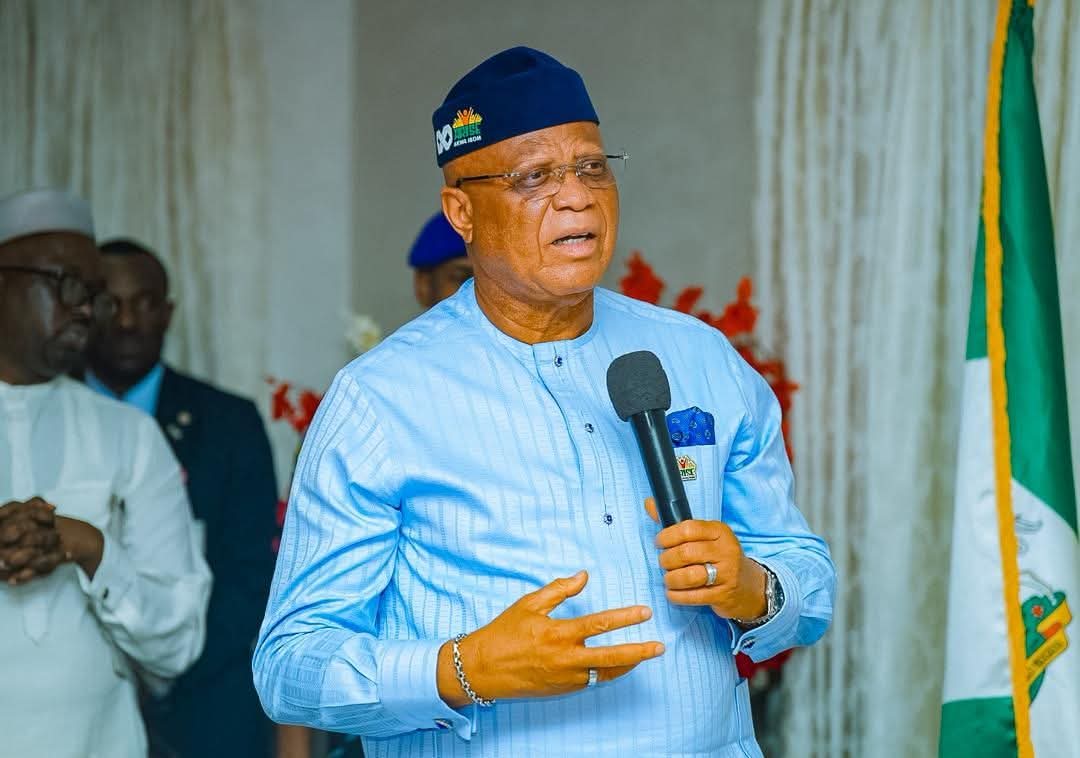
In Akwa Ibom State, Governor Umo Eno has also built a broad base of public acceptance. His leadership has attracted support from across political and social divides, including influential figures, community leaders and organised youth groups. For many residents, their support is linked to his governance style, which places emphasis on consultation, inclusion and people centred development.
Governor Eno’s engagement with communities, traditional institutions and professional bodies has strengthened public trust. His approach to leadership has created a sense of ownership among citizens, who increasingly see his administration as reflective of their aspirations. This has translated into widespread support that extends beyond party loyalty and into shared confidence in his capacity to lead the state forward.
There is also a visible alignment between state and national political currents. Supporters of Governor Eno often express parallel support for President Tinubu, presenting both leaders as part of a coordinated vision for governance. This alignment is viewed by many as pragmatic and stabilising, reducing political tension and encouraging cooperation between state and federal authorities.
For undecided voters, these developments present an important moment for reflection. Electoral choices are rarely shaped by campaign rhetoric alone. They are influenced by performance, public confidence and the collective judgement of communities over time. When broad segments of society repeatedly express support for particular leaders, it signals a level of acceptance that deserves attention.
Supporting an already accepted choice is not an act of surrender. It is a deliberate decision to align with stability, continuity and a path that many citizens have assessed and endorsed. At the national level with President Tinubu, and at the state level with Governor Umo Eno, the patterns of support are increasingly clear.
As 2027 approaches, those yet to decide are encouraged to look beyond political noise and division. Observe where public confidence has settled. Listen to the voices of communities and groups who have weighed their options and made their choices. In doing so, supporting an already accepted choice becomes a rational and informed decision grounded in shared experience and collective expectation.
—-
Destiny Young is the Special Assistant (New Media and Digital Communication) to H.E. Pastor Umo Eno, Ph.D, Executive Governor of Akwa Ibom State
—-