


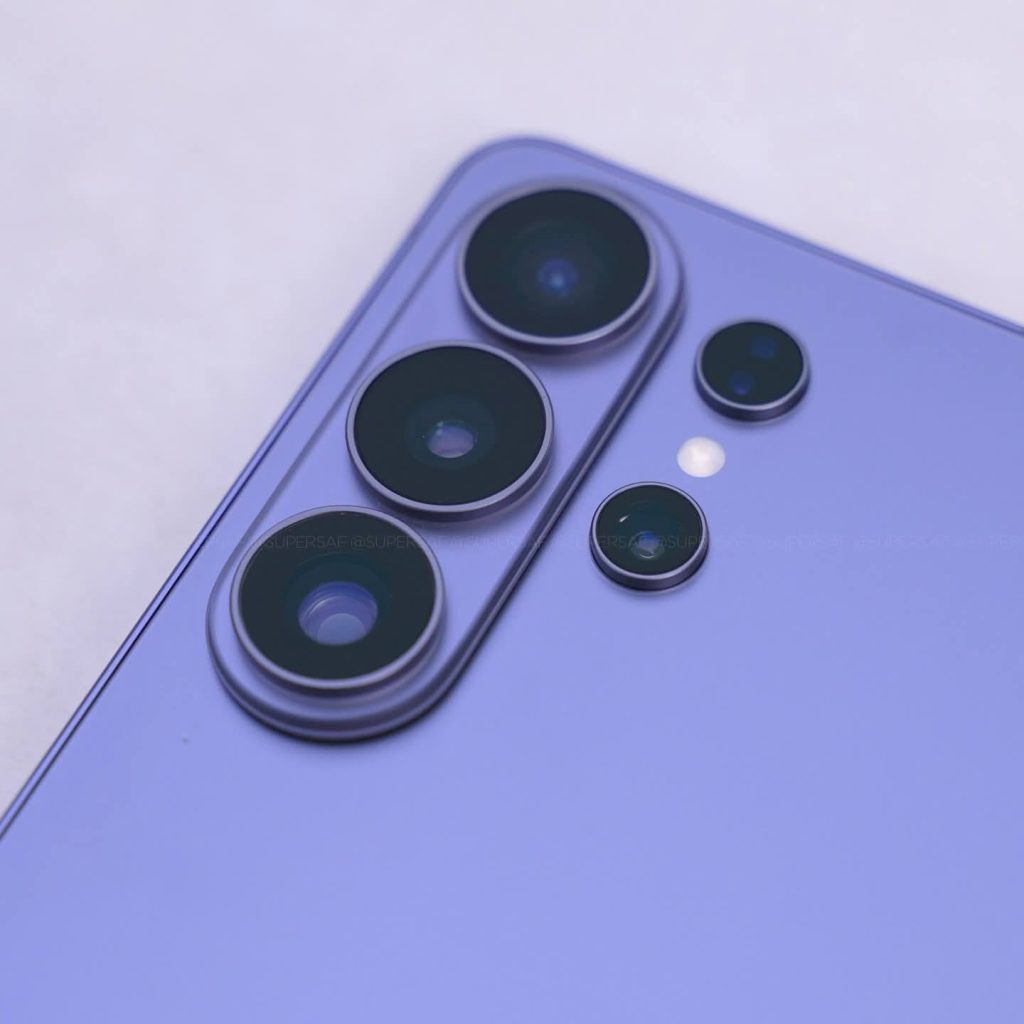
At this year’s Samsung Galaxy Unpacked event in San Francisco, the company introduced its new flagship range, led by the highly anticipated Samsung Galaxy S26 Ultra. Alongside it, Samsung unveiled the Galaxy S26, the Galaxy S26 Plus, and a refreshed Galaxy Buds line.
This generation places artificial intelligence at the centre of the experience, while refining hardware in ways that feel deliberate rather than dramatic. The S26 Ultra stands clearly at the top of the range, and it deserves special attention.
Samsung Galaxy S26 Ultra
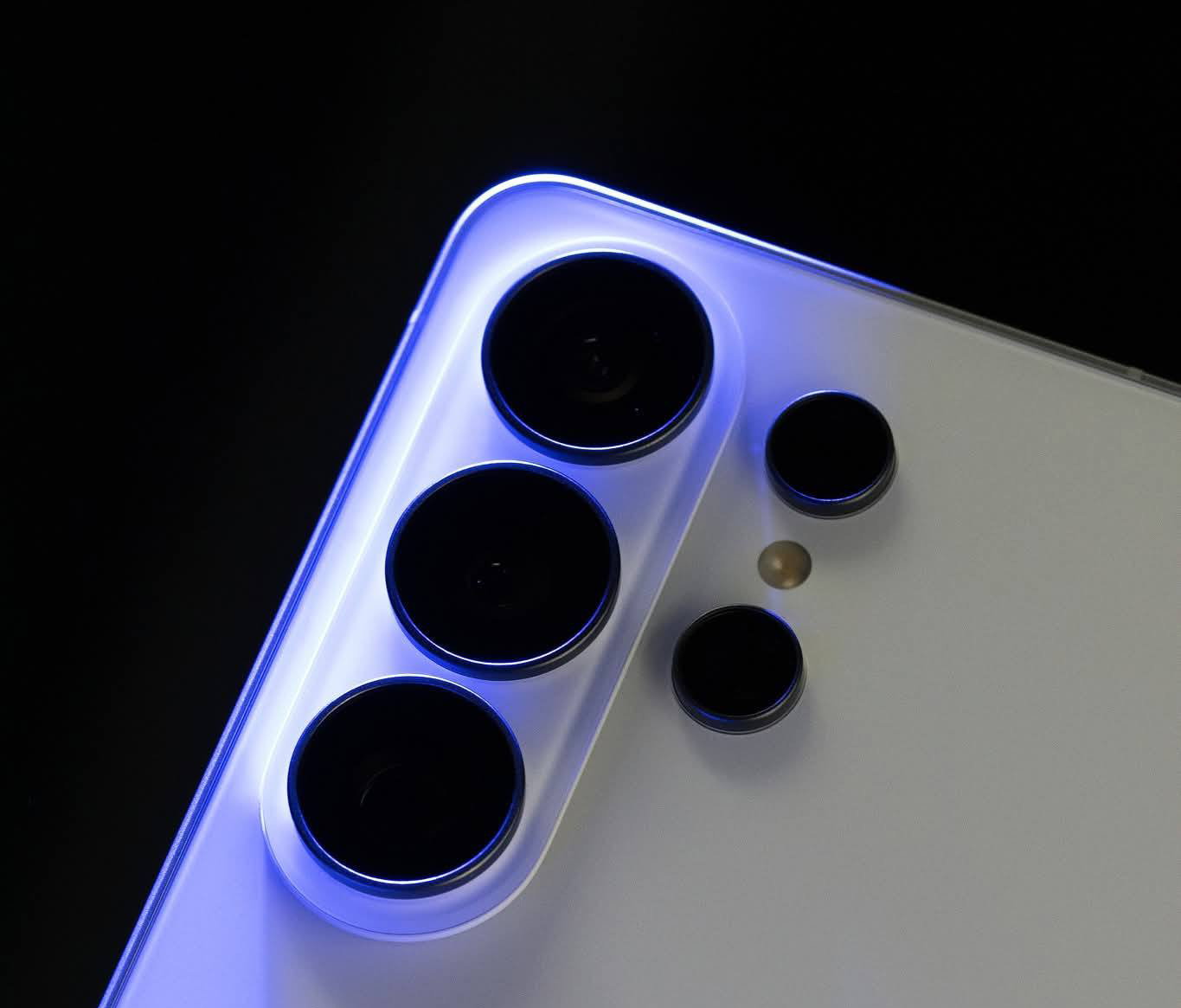
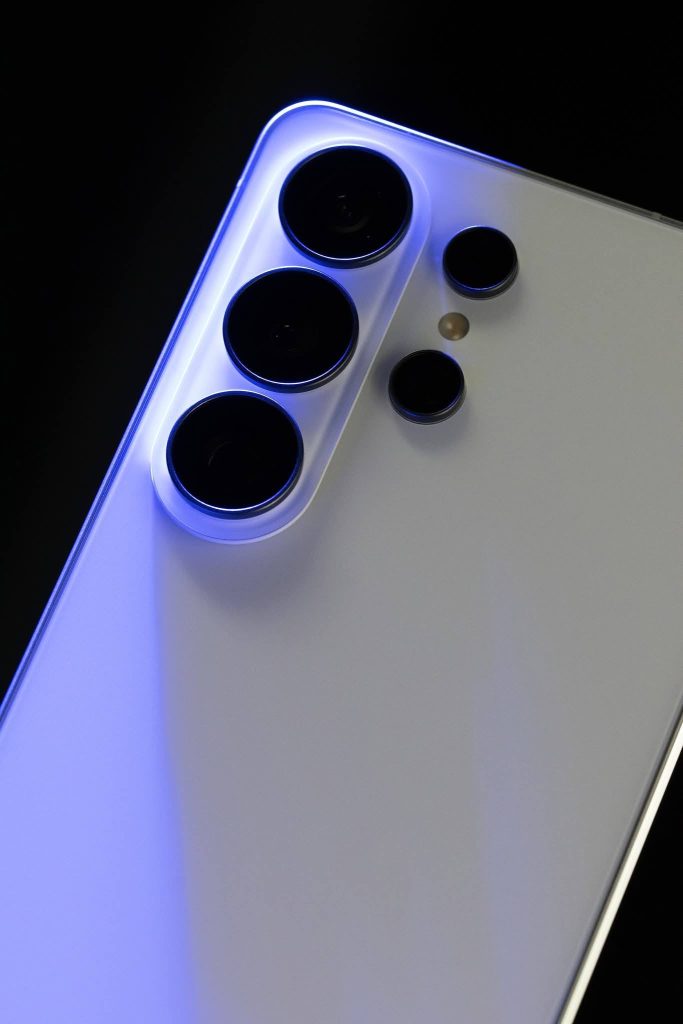
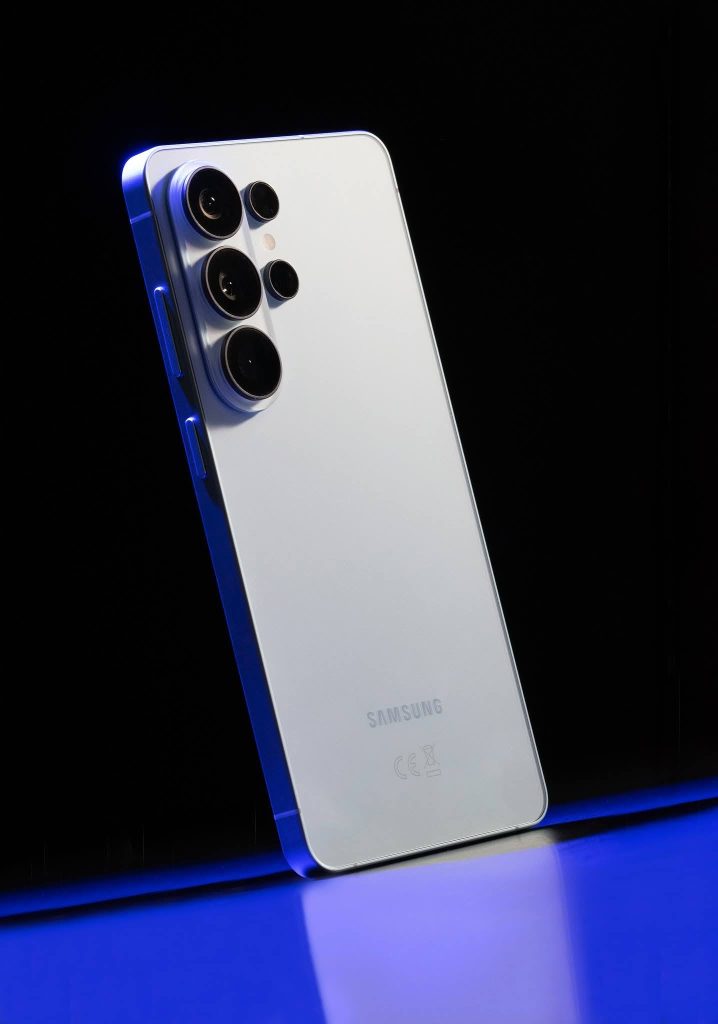
The Galaxy S26 Ultra is Samsung’s most complete smartphone to date. It builds on the foundations of its predecessor while focusing on meaningful improvements in intelligence, imaging, and everyday usability.
Design and Display
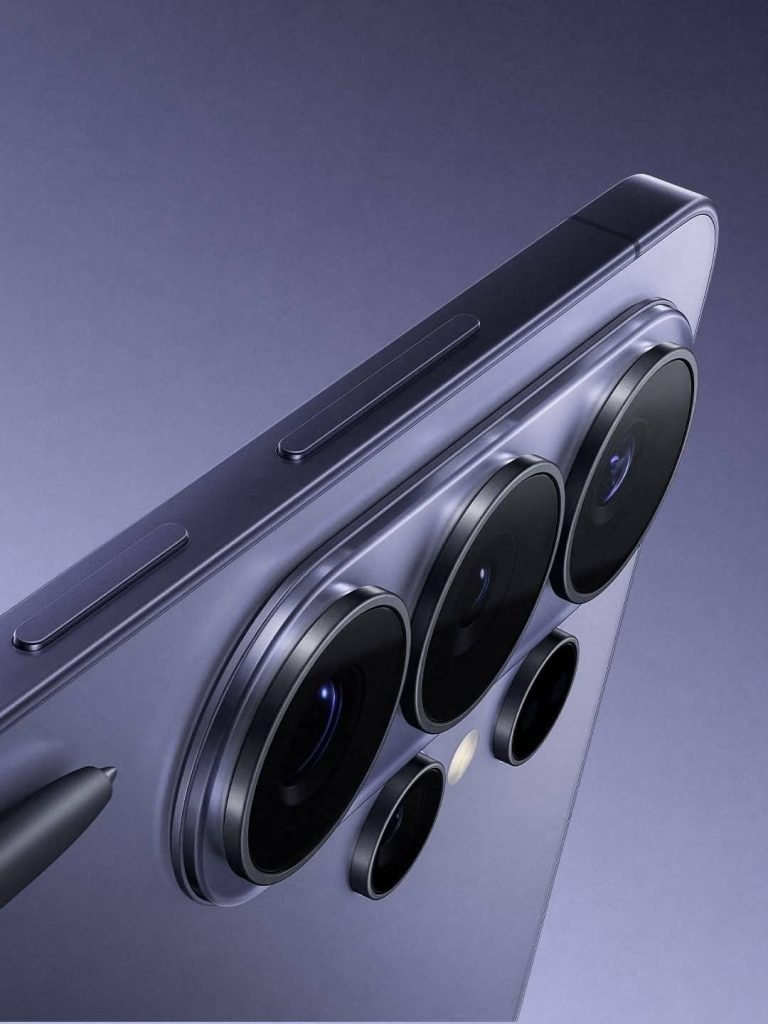
Samsung has refined the Ultra’s design with slightly softer contours and a more comfortable in hand feel. The materials remain premium, with a titanium frame and Gorilla Glass protection. It feels substantial without being unwieldy.
The display continues to be one of the best in the industry. The 6.8 inch Dynamic AMOLED panel is exceptionally bright, colour accurate, and sharp. Outdoor visibility is excellent, and the adaptive refresh rate keeps motion smooth while preserving battery life.
One of the most intriguing additions is the new Privacy Display feature. When viewed from sharp side angles, the screen subtly dims or obscures content, which is particularly useful on public transport or during travel. It is a thoughtful touch that enhances everyday practicality.
Performance and Intelligence
Under the bonnet, the S26 Ultra runs on the latest Snapdragon platform tailored for Galaxy devices in most markets, with some regions receiving Samsung’s newest Exynos chip. In day to day use, performance is fluid and effortless. Multitasking is seamless, gaming is stable, and demanding applications run without hesitation.
Artificial intelligence is now woven deeply into the system. The phone summarises notifications, suggests contextual actions, improves voice interactions, and enhances search results with a more conversational feel. These features feel less like gimmicks and more like genuine time savers. Importantly, much of this processing happens on device, which supports privacy and responsiveness.
Camera System
Samsung continues to lead with camera hardware. The 200 megapixel main sensor captures remarkable detail, particularly in good light. Images are crisp, with strong dynamic range and natural colour reproduction.
Low light photography benefits from improved sensor processing and AI noise reduction. Night shots are cleaner and more balanced than before.
Zoom remains a highlight. The advanced telephoto system produces sharp results at high magnifications, and stabilisation has improved for both stills and video. Video recording, including 8K capture, is smoother and more flexible in editing thanks to upgraded codecs and processing power.
Battery and Charging
The 5000 mAh battery capacity remains unchanged, yet efficiency gains from the processor and software optimisation help it last comfortably through a full day of heavy use. Charging speeds have improved, reducing downtime when topping up.
Overall Impression
The Galaxy S26 Ultra is not a radical reinvention, yet it feels mature and polished. It refines nearly every element of the flagship experience. For users coming from devices that are two or three years old, the jump will feel substantial. For recent Ultra owners, the improvements are meaningful but more incremental.
Samsung Galaxy S26 Plus
The Samsung Galaxy S26 Plus sits neatly between the base model and the Ultra. It offers a large display and strong performance without the highest price in the range.
The 6.7 inch screen delivers the same vibrant AMOLED quality found in the Ultra, though without some of the specialised features such as the advanced zoom hardware. Performance mirrors the Ultra in everyday tasks, and the software experience is identical, including the new AI enhancements.
The camera system, built around a 50 megapixel main sensor, performs reliably across most scenarios. While it does not match the Ultra’s extreme zoom capabilities, it will satisfy the vast majority of users.
Battery life is dependable, and charging speeds are competitive. For many people, the S26 Plus may represent the sweet spot of the lineup.
Samsung Galaxy S26
The Samsung Galaxy S26 continues to serve those who prefer a more compact handset without sacrificing flagship quality.
Its 6.3 inch display is bright and sharp, making it easier to use with one hand. Performance remains strong, with generous base storage and memory configurations that reflect modern expectations.
The camera system is versatile, producing pleasing images in most lighting conditions. Although it lacks the Ultra’s more ambitious hardware, software enhancements ensure that photo quality remains impressive.
Battery capacity is slightly smaller than its siblings, yet optimisation keeps it comfortably within all day territory for moderate use. For those who value practicality and portability, the standard S26 is a sensible choice.
Galaxy Buds 2026 Lineup
Samsung also introduced updated wireless earbuds designed to complement the new phones. The standard model focuses on comfort and balanced sound, while the Pro variant enhances audio depth and active noise cancellation.
Integration with the S26 range is seamless. Features such as instant pairing, intelligent noise adjustment, and improved call clarity strengthen the ecosystem approach that Samsung continues to develop.
Final Thoughts
This year’s lineup shows a company refining its vision rather than chasing spectacle. The Galaxy S26 Ultra stands as the clearest expression of that vision, combining powerful hardware with increasingly capable artificial intelligence in a device that feels both premium and practical.
The S26 Plus and S26 provide strong alternatives depending on budget and size preference, ensuring that the range feels cohesive and considered.
Samsung has not reinvented the smartphone, yet it has sharpened nearly every edge. In a mature market, that may be exactly what matters most.
Destiny Young is a Technology and IT Infrastructure Management Executive and Cybersecurity Professional with extensive experience in enterprise systems, digital transformation, and cybersecurity management. He holds a First Class Master of Science degree in Digital Transformation, a Distinction grade Master of Business Administration with a specialisation in Cybersecurity, and a Master of Technology degree in Information Technology. His work focuses on strengthening cyber resilience in organisations and examining the relationship between technology, risk, and business strategy. Destiny is also an active academic researcher with a strong interest in cybersecurity governance and threat mitigation. He writes regularly on digital security issues affecting businesses in Nigeria and contributes to industry discussions on cyber risk management and policy development.