

By | YOUNG, D
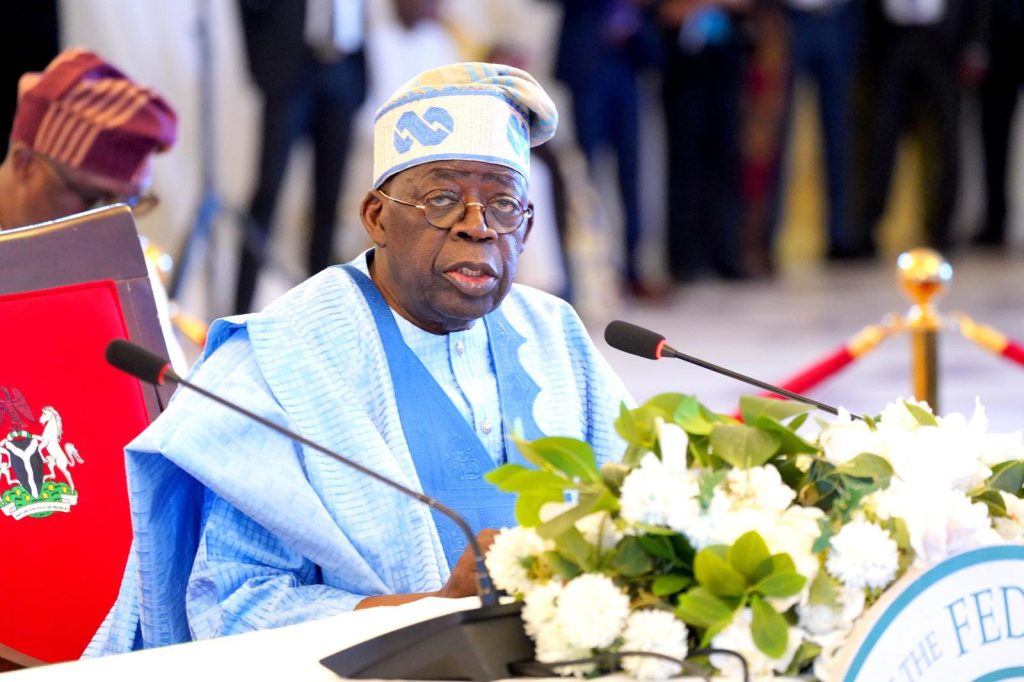
The 2023 presidential election confirmed that the All Progressives Congress understood how to assemble a winning national coalition. Three years later, the political terrain has shifted even further in its favour.
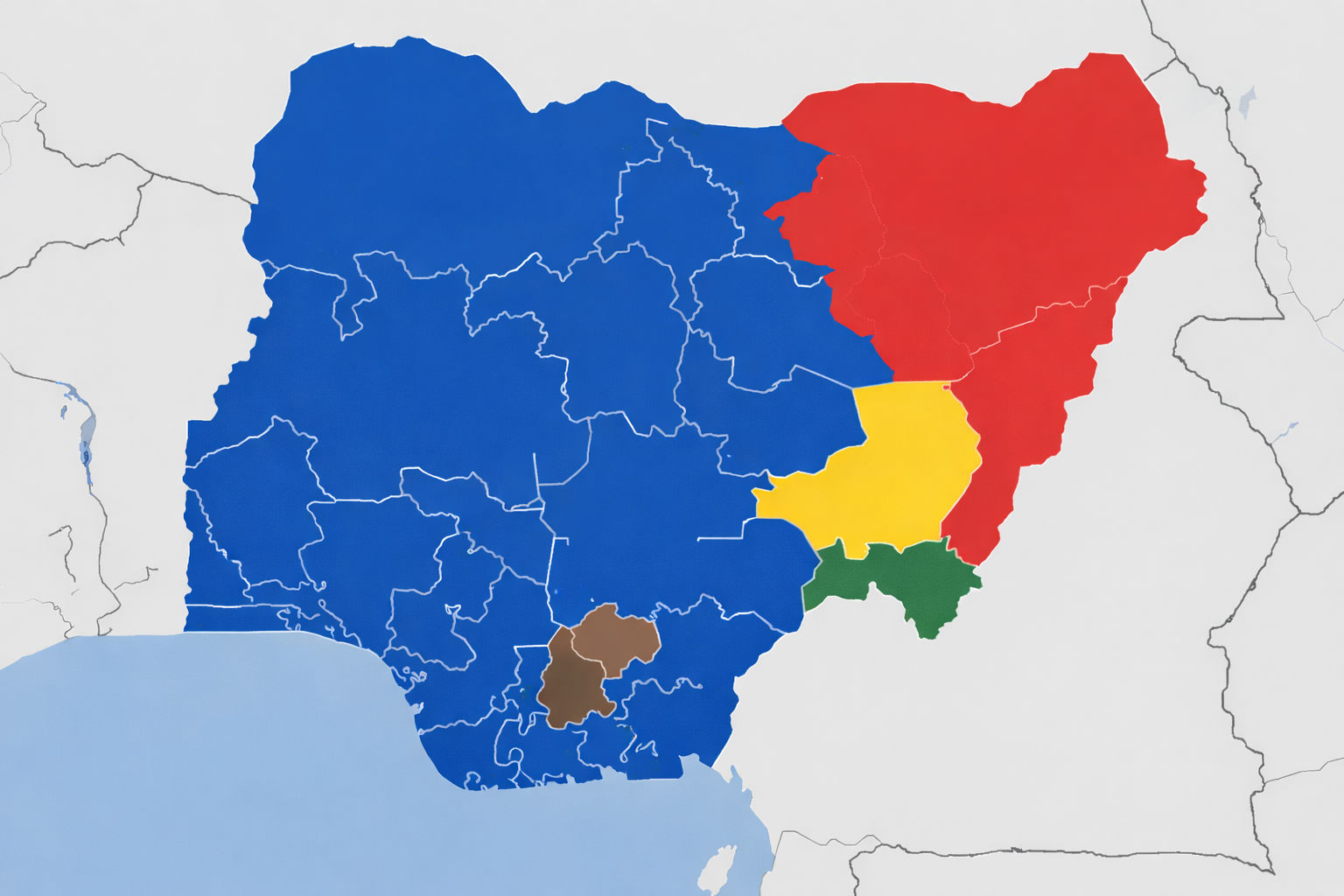
As of 27 February 2026, the APC controls 30 of Nigeria’s 36 states. The opposition now holds just six. This level of sub-national consolidation has reshaped the strategic outlook for 2027 and strengthened President Bola Tinubu’s re election prospects, Destiny Young writes.
From Electoral Victory to Territorial Dominance
In 2023, Tinubu secured the presidency through a disciplined regional coalition. The South West delivered overwhelming support. The North West and North Central provided decisive pluralities. Competitive margins in other regions prevented the opposition from converting its strongholds into a national majority.
Today, that electoral base sits on a far broader political foundation.
South South
APC controls all six states. Delta, Akwa Ibom, Edo, Cross River, Rivers and Bayelsa are now under the ruling party. A region that was fragmented in 2023 is now institutionally aligned with the centre.
North Central
All six states are APC governed. Benue, Niger, Kwara, Nasarawa, Kogi and Plateau provide a unified political structure in what was previously a three way competitive zone.
South East
APC governs Enugu, Ebonyi and Imo. Only Abia and Anambra remain outside its control. This marks a significant shift in a region that delivered overwhelming votes to the Labour Party in 2023.
South West
Four of six states are APC controlled, including Lagos, Ekiti, Ogun and Ondo. Oyo remains under the PDP and Osun under Accord. The party’s traditional base remains structurally intact.
North East
Five of six states are APC governed. Only Bauchi remains under PDP control. This region was the PDP’s strongest base in 2023, yet its executive footprint has narrowed sharply.
North West
Six of seven states are APC controlled. Katsina, Jigawa, Sokoto, Kebbi, Kaduna and Kano are aligned with the ruling party. Only Zamfara remains with the PDP.
The Strategic Implication of 30 Governors
Governorship control does not automatically guarantee presidential votes. However, it dramatically enhances electoral capacity.
Governors shape grassroots party machinery. They coordinate ward level mobilisation. They align local elites behind a single presidential ticket. They drive turnout in stronghold areas. They manage political messaging within their states.
In a federation like Nigeria, presidential campaigns rely on state level structures for organisation, logistics and political negotiation. When one party controls 30 states, it possesses unmatched reach.
This consolidation also affects perception. Political actors often gravitate toward power. As more states align with the APC, elite coordination becomes easier and defections become more likely.
Tinubu and the Advantage of Incumbency
President Tinubu now approaches 2027 with both incumbency and territorial consolidation.
In 2023, he ran on experience and coalition building. Today, he runs on governance and structural reform. His administration has taken difficult economic decisions aimed at long-term fiscal stability and investment confidence.
An incumbent president backed by 30 governors enters the next cycle with strategic coherence. Campaign messaging can be harmonised across regions. Policy narratives can be reinforced at state level. Electoral preparation can begin early and systematically.
Opposition Contraction and Structural Weakness
The opposition’s central challenge remains unity and coordination. In 2023, multiple strong regional candidates divided the anti APC vote. That fragmentation created pluralities that delivered victory.
Today, opposition parties face an additional obstacle. Reduced governorship control weakens their mobilisation infrastructure and bargaining power.
Without strong state structures, opposition campaigns must rely heavily on national messaging and individual candidate appeal. That approach proved insufficient in 2023 and may prove even more difficult under the current map.
The Road to 2027
Nigeria’s electoral system rewards broad territorial reach and disciplined coalition management. APC demonstrated that capacity in 2023. The expansion to 30 states suggests that capacity has deepened.
The South West remains a firm base. The North West and North Central are structurally aligned. The South South has moved decisively into APC control. The North East and South East show growing institutional presence.
The 2023 election established Tinubu’s coalition. The current political landscape shows that coalition has expanded.
As the 2027 cycle approaches, the numbers tell a clear story. The ruling party controls 30 states. The opposition holds six. In a system where governors influence turnout, structure and coordination, that reality significantly reshapes the balance of power in favour of the incumbent.
Destiny Young serves as the Specialist Assistant to the Governor of Akwa Ibo State on New Media and Digital Communication