

By | Akwa Ibom Times
Washington and Tehran, 1 March 2026
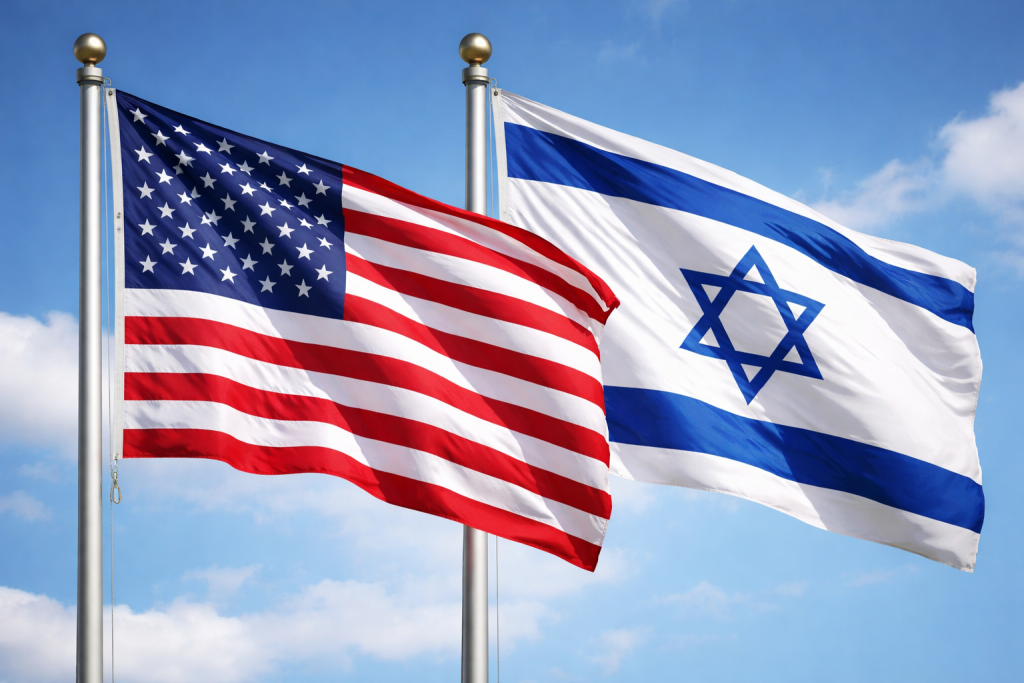
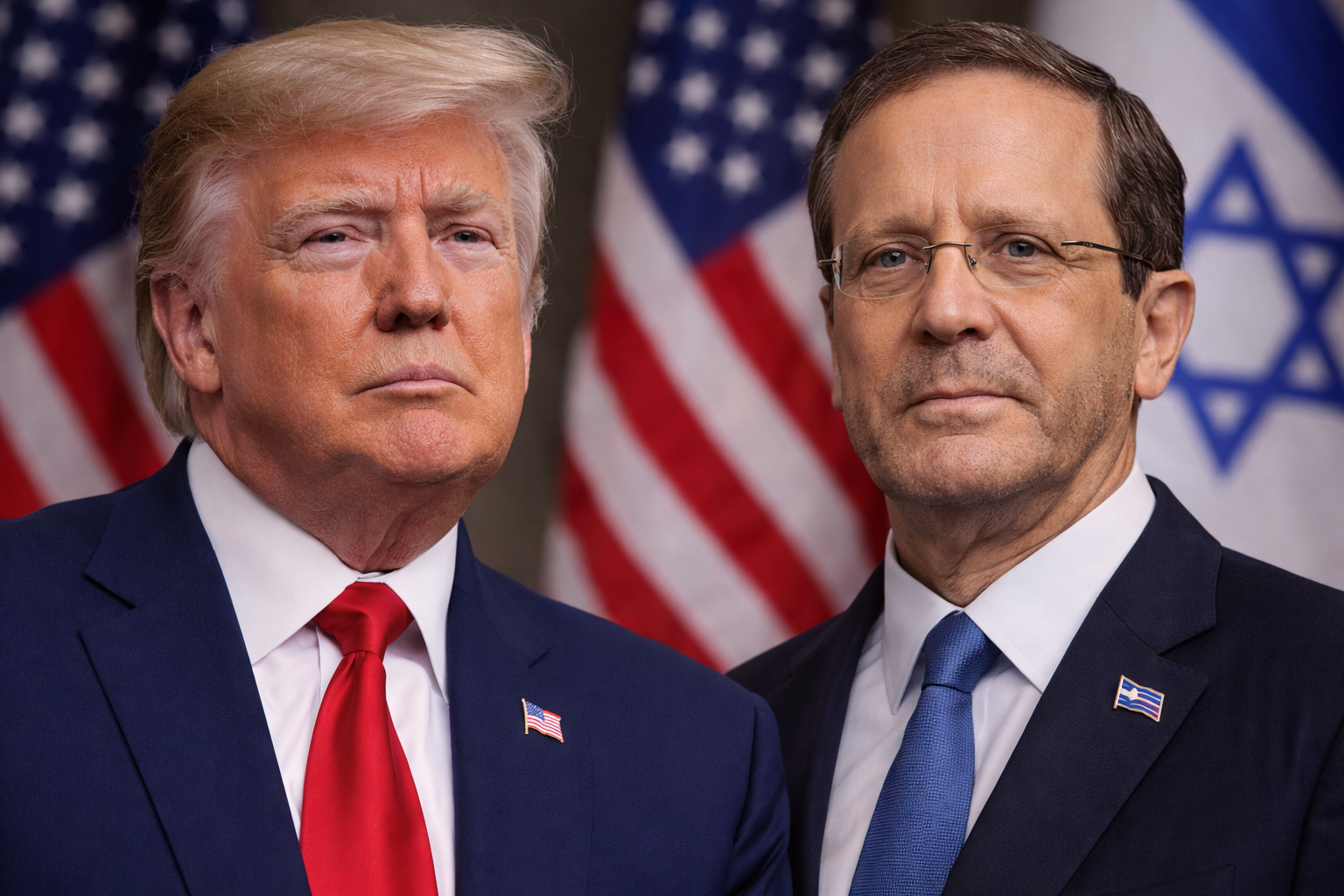
The United States and Israel carried out extensive joint airstrikes on Iran overnight into Saturday, targeting military sites, nuclear facilities and key leadership locations. President Donald Trump declared that Iran’s Supreme Leader Ayatollah Ali Khamenei had been killed in the assault, describing him as one of history’s most evil figures and calling the operation a pivotal moment for peace in the Middle East.
Israeli officials supported the claim. Several sources told reporters that Khamenei’s body was found in the rubble of his Tehran compound after a direct strike. Four Israeli security officials briefed on the matter confirmed the supreme leader’s death, along with dozens of senior regime figures. Trump posted on Truth Social that a large portion of Iran’s top leadership had been eliminated. He urged the Iranian people to take control from what he described as a sinking regime. He added that bombing would continue for as long as necessary to secure what he called lasting peace.
Iranian authorities rejected the reports. State media insisted that Khamenei remained alive and in command, and described the announcements as psychological warfare. An Iranian official said the supreme leader was safe and directing the response. Iranian Red Crescent figures put civilian and other casualties from the strikes at more than 200 dead and nearly 750 injured. Independent groups suggested the numbers could be higher.
In response, Iran launched waves of ballistic missiles and drones towards Israel and United States military bases across the region. Targets included facilities in Bahrain, Kuwait, Qatar, the United Arab Emirates and Saudi Arabia. Explosions were reported in several Gulf cities, with at least one civilian death in Abu Dhabi and injuries elsewhere. In Israel, emergency services confirmed one woman killed and more than 120 people injured from the incoming attacks, although many projectiles were intercepted.
Airspace closures spread across the Middle East, forcing thousands of flight cancellations and stranding travellers. Oil prices rose sharply amid concerns about disruption through the Strait of Hormuz. The United Nations Security Council held an emergency session. Russia and China criticised the strikes as unlawful aggression, while some Western nations expressed support for efforts to curb Iran’s nuclear programme.
The operation followed months of mounting tension, including proxy attacks and stalled negotiations over Iran’s nuclear activities. President Trump framed the strikes as necessary to neutralise threats to the United States and its allies. Israeli Prime Minister Benjamin Netanyahu described the action as essential to remove what he called an existential danger posed by the regime.
The situation continues to evolve, with ongoing military activity and conflicting accounts regarding leadership losses. Casualty figures and the full impact of the strikes remain subject to further confirmation.