

By | Destiny Young
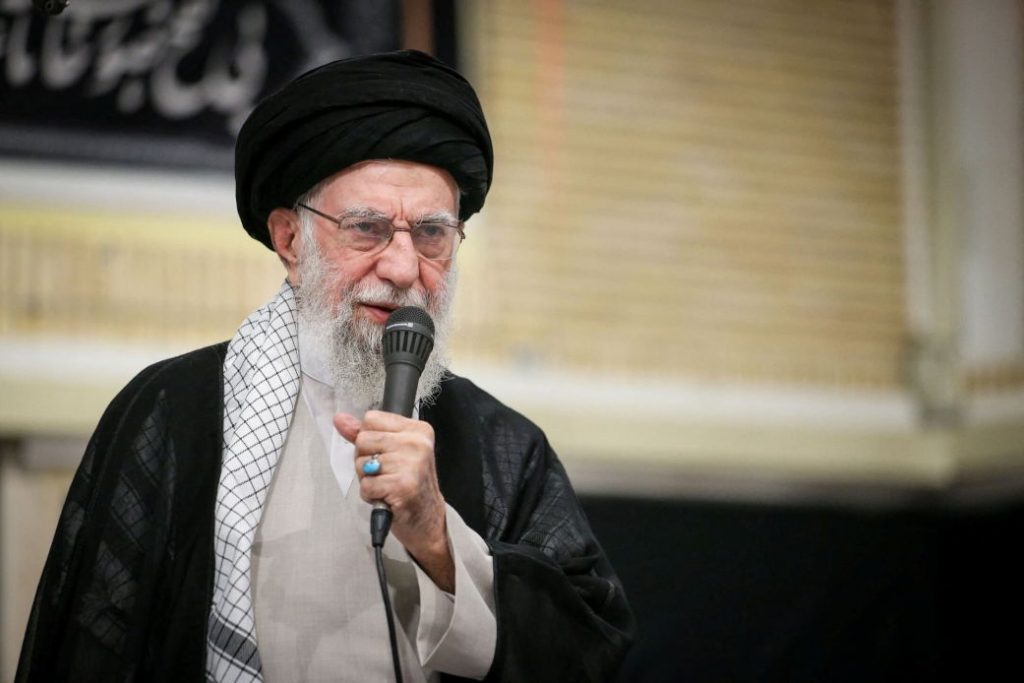
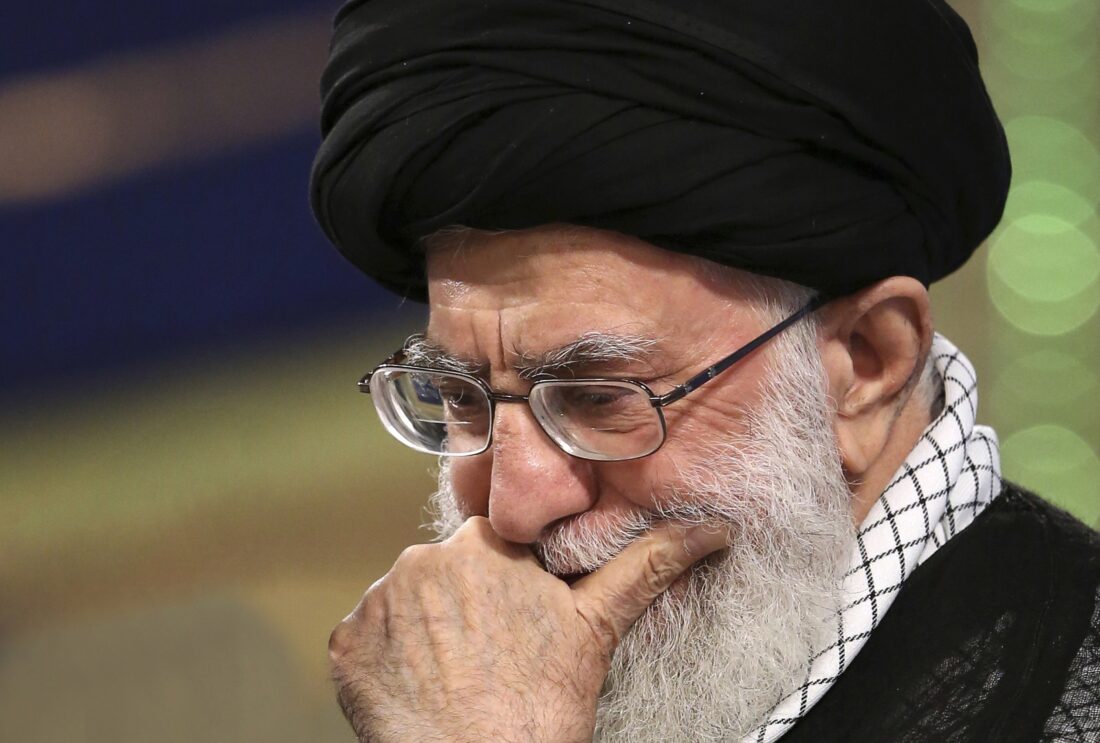
“The death of Ayatollah Ali Hosseini Khamenei, who ruled Iran as supreme leader since 1989, 1989 to 2024, with firm control, confronting the United States and Israel while suppressing dissent and overseeing a contentious nuclear programme, marks a major turning point for Iran and the broader region.”
Akwa Ibom Times Editorial View
Introduction
That assessment frames the scale of the moment. Khamenei shaped Iran’s political doctrine, security posture, and regional strategy for over three decades. His exit creates institutional uncertainty inside Iran and strategic recalibration across the Middle East.
This report examines four core dimensions. Internal power dynamics. Nuclear policy trajectory. Regional security implications. Global economic consequences.
- Internal Power Structure and Succession Risk
Khamenei was the central node in Iran’s hybrid system, which blends clerical authority with republican institutions. Real power sat with the Supreme Leader. He controlled:
• The armed forces
• The Islamic Revolutionary Guard Corps
• The judiciary
• State broadcasting
• Key oversight councils
His death triggers a constitutional process led by the Assembly of Experts. However, formal procedure does not eliminate factional rivalry.
Key risk variables:
• Competition between conservative clerics and security elites
• Expanded influence of the Revolutionary Guard
• Public dissent if succession lacks legitimacy
• Economic frustration driven by inflation and sanctions
Short term stability depends on elite cohesion. If factions fragment, domestic unrest could intensify.
- Nuclear Programme Outlook
Khamenei oversaw Iran’s nuclear advancement under sustained sanctions pressure. The programme became both a bargaining tool and a deterrence strategy.
Three plausible pathways now emerge:
• Continuity. The next leader sustains current enrichment levels and negotiation posture.
• Acceleration. Hardliners push faster nuclear development to consolidate authority.
• De escalation. A pragmatic successor reopens structured talks to ease sanctions.
Regional actors will watch enrichment levels closely. Any rapid escalation would heighten tensions with Israel and the United States.
- Regional Power Balance
Iran’s foreign policy doctrine emphasised asymmetric influence. It built networks across Iraq, Syria, Lebanon, and Yemen. This approach allowed Iran to project power without direct confrontation.
Post Khamenei, two dynamics matter:
• Whether Iran maintains centralised command over regional proxies
• Whether rivals test perceived weakness
If Tehran signals internal instability, adversaries may apply pressure. Conversely, Iran could adopt a show of strength to deter external opportunism.
- Global Energy and Economic Impact
Iran sits on significant oil and gas reserves. Sanctions have constrained exports, but geopolitical shocks can still move markets.
Potential impacts include:
• Short term oil price volatility
• Shipping risk in the Strait of Hormuz
• Diplomatic manoeuvring among major powers
Energy markets respond not only to supply disruption but to uncertainty. Leadership transition increases perceived risk.
- Strategic Turning Point Assessment
The quote identifies a turning point. That claim rests on structural facts:
• Iran’s governance model revolves around a singular authority.
• The nuclear issue remains unresolved.
• Regional rivalries are active and militarised.
If succession is smooth and policy continuity prevails, change may be gradual. If the transition fractures elite consensus, Iran could face internal instability with external spillover.
Conclusion
Khamenei’s rule defined Iran’s posture for more than three decades. His death closes a chapter anchored in ideological firmness and strategic confrontation.
What follows will depend on elite alignment, public tolerance, and external pressure. The region now enters a period of heightened uncertainty. The outcome will shape security calculations from Tehran to Washington and beyond.
Live Update
US destroys 9 Iranian Naval Ships
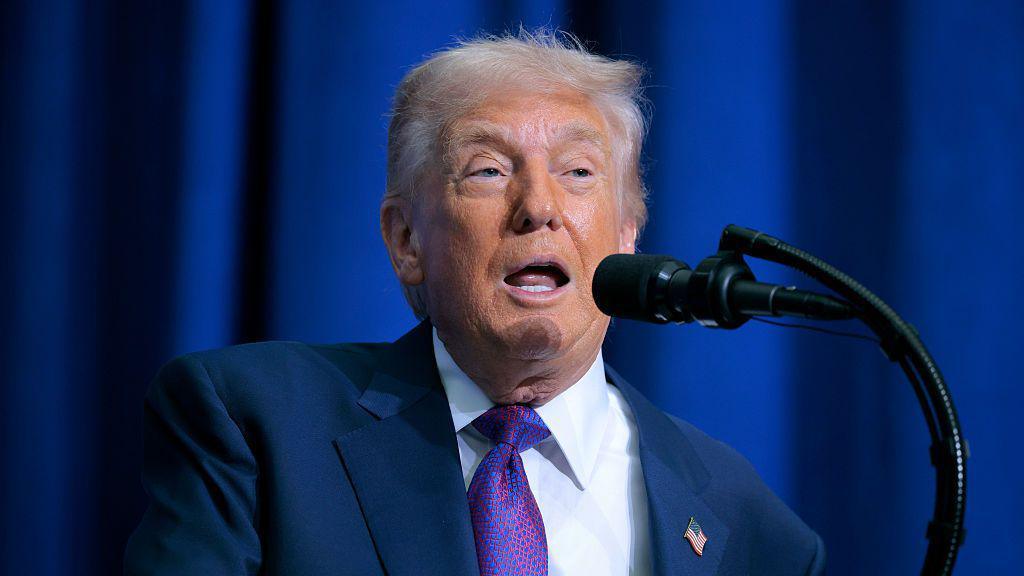
“I have just been informed that we have destroyed and sunk 9 Iranian Naval Ships, some of them relatively large and important. We are going after the rest — They will soon be floating at the bottom of the sea, also!” – President Donald J. Trump