

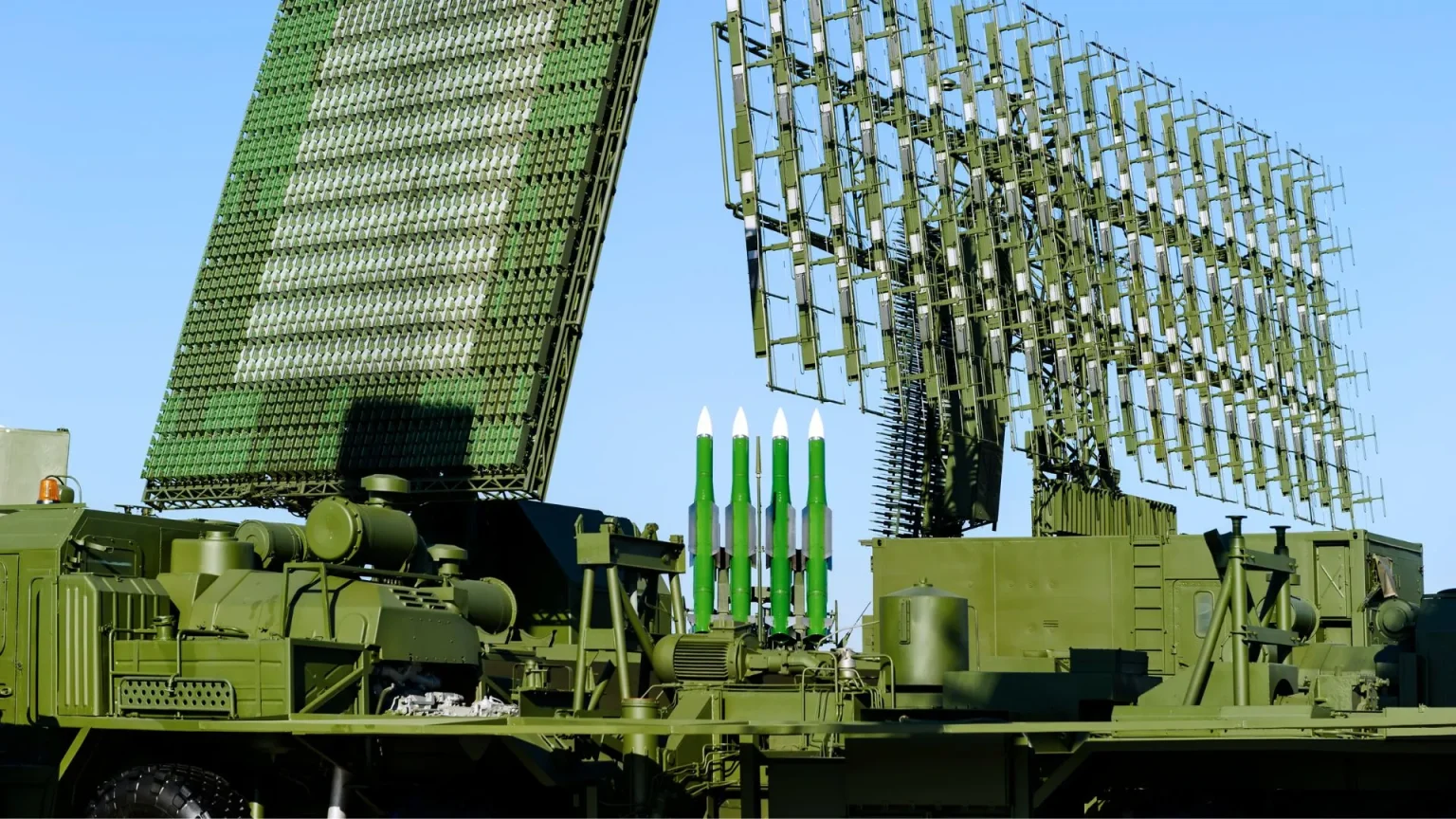

Tehran believed it finally had a “stealth-killer” on its side, but the 2026 air campaign has once again shown that glossy marketing doesn’t win modern wars. Iran’s newly imported YLC-8B long-range surveillance radar—delivered from China in January—was hailed as a game-changer against the F-35 and B-2.
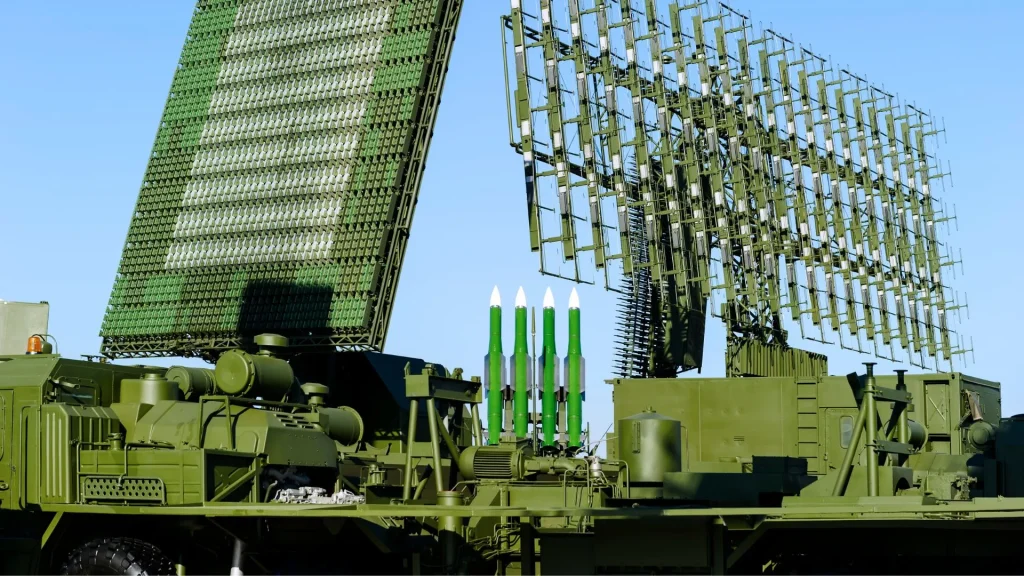
Analysts are now drawing striking parallels with January’s Operation Absolute Resolve, where Venezuela’s Chinese-supplied JY-27 “stealth-killer” radar failed to detect the U.S. precision strike that led to Maduro’s capture. Both systems, marketed as UHF-band solutions to the “invisible aircraft” problem, crumbled under the weight of Western electronic warfare.
Though the YLC-8B boasts rapid mobility—capable of deployment or disassembly within 30 minutes to evade anti-radiation missiles—it stood no chance against the U.S. Fifth Fleet’s spectrum-dominance tactics. As in Caracas, Iran’s integrated “anti-stealth” network was blinded in the first hours of Operation Epic Fury.
The system that promised Iran a 350 km “kill chain” instead became a symbol of false confidence, as Israeli F-35s executed “ghost incursions” over Tehran. The YLC-8B’s low-frequency tracking proved powerless against sophisticated suppression of enemy air defenses (SEAD) and adaptive jamming.
Reports suggest Beijing privately urged Tehran to migrate to “closed-loop, encrypted Chinese networks” to prevent infiltration. But judging from the wreckage of neutralized radar installations across Iran, it’s clear that even China’s most “advanced” sensors remain vulnerable when faced with the speed, precision, and stealth synergy of Allied air power.