

By | Ofonime Honesty
I wish to fuse few tales into this column. The tales have Governor Umo Eno of Akwa Ibom State as the main character. No embellishments, no dilly-dallying—let’s get straight to the business of the day.
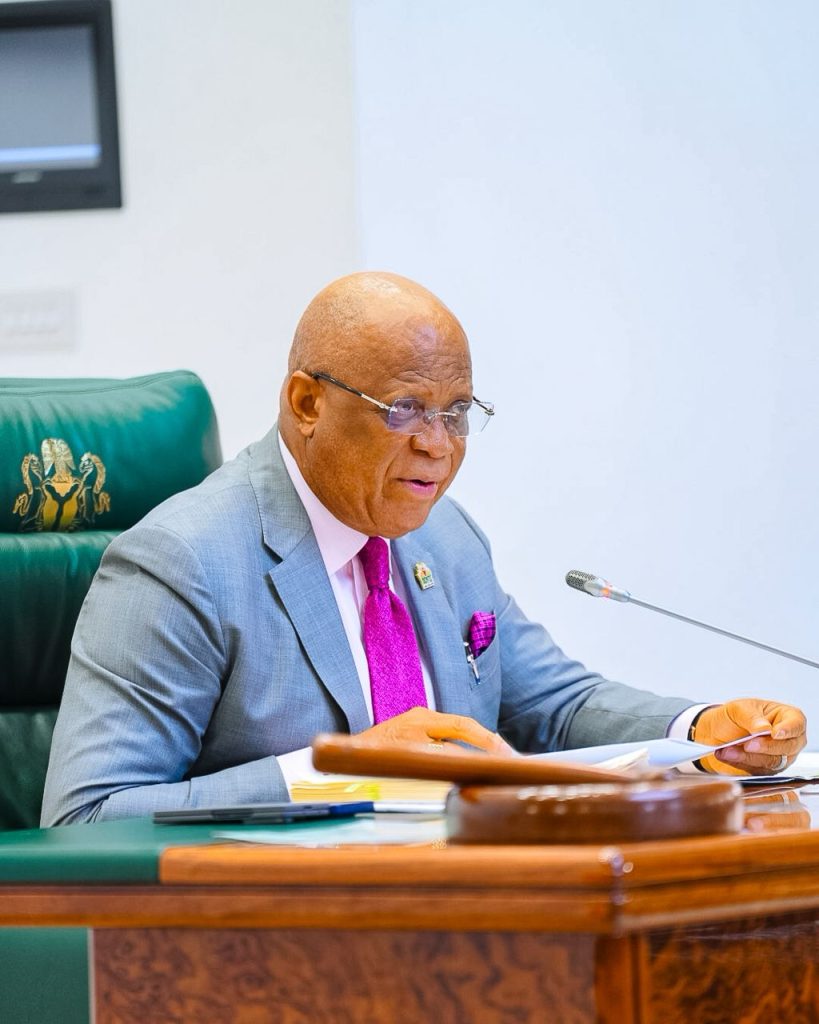
Picture this: April 2024. Governor Eno is standing before former President Goodluck Jonathan during the commissioning of the underground flood control project and the reconstructed Atiku Abubakar Avenue in Uyo, the state capital.
And then he drops a bombshell: he says an unknown person sent him pictures of the deplorable road via the WhatsApp messaging app.
And get this—he acted on it immediately. That same day, upon receiving the message, straight from a Sunday service, he—accompanied by Deputy Governor Akon Eyakenyi and other government top brass—visited the site for assessment.
“The road was completely impassable. And I told the deputy governor that we must visit this place immediately after the church programme.
“What this shows is that all of us can collectively run this state. The money is not my money but belongs to all of us.
“Anything you see that you believe the government should intervene in, you should bring it to our table. You can draw our attention to such issues and we will work with you.
“We try to run an open government, one across party lines, because knowledge is not based in one person or in one party. We can do it together. All of us can be in government. But please, as government fixes these things, do not destroy them,” Governor Eno said at the event.
Still in 2024, in March precisely, Governor Eno, while flagging off the construction of Ediene Abak–Ikot Ekan road, said he learned about the deplorable state of the road via a message sent to his phone by school pupils.
His words: “I give credit to school children who sent me the video of this road. I don’t know them; I wish I knew them. But how they got my number, I don’t also know. Of course, my number is in the public domain.
“It was a rainy day. They were standing in the rain. They took pictures and sent them to me, and I forwarded the pictures to the Commissioner for Works. I told him that because of these children, let’s do this road.”
More recently, a distressed family in Afaha Idoro, Uyo, received a lifeline from the governor following a viral online video that drew his attention to their plight. Through the Arise Care and Share Outreach, the family of talented young content creator ‘Title Man’ had their house completed and equipped, received business start-up kits, food items, and solar lighting to improve their living conditions. Yet another confirmation of his responsiveness to citizen concerns raised through digital channels.
Those are just a few examples in a long list of such instances.
Now, fast forward to March 2026. Same governor. Same state. But an attempt is being made to change the tune. A narrative is being woven—a narrative bordering on perceived inaccessibility. Now, any good journalist worth their salt would smell a story here. The accessible governor is suddenly inaccessible? The man whose phone number is in the public domain is now inaccessible? Something does not add up! I refuse to join the emotional train. Facts conquer emotions.
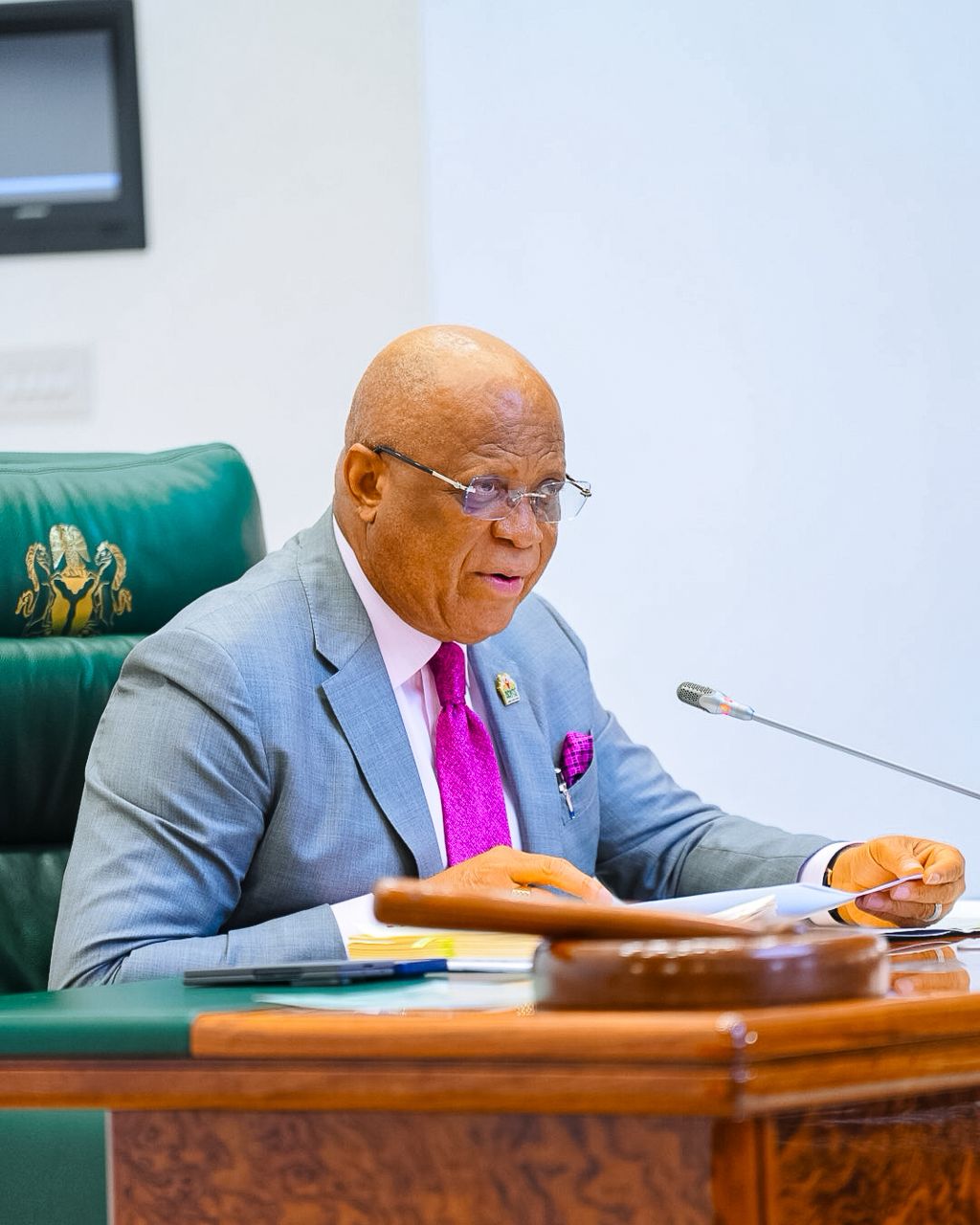
Speaking recently during the monthly church service at Government House, Uyo, he was unequivocal and sincere in his declaration that “there are many ways to reach the governor.” He was not foreclosing access.
“Stop saying the governor does not pick up the phone. Am I your receptionist? That is even an insult—to say the governor does not answer calls,” he added.
Of course, a governor is a governor, not a receptionist. A governor running the affairs of over 5 million people has a very busy itinerary that does not permit him to answer every call channeled to his ultra-busy phone lines. Yes, every citizen has the right to be heard, but appropriate channels of communication must be adopted. We know how government works. We know there are channels. We know there are protocols. No governor spends every minute of the day answering phone calls. None!
Well, he also saw the humorous side of the negative sentiments. He described them as “comic relief.”
“On a very hard day, when you finish your meeting at 11 p.m., you just look at some things and laugh. It is comic relief. They are drama,” he declared amid smiles.
Amid the accusations and the counter-accusations, one truth remains standing: the governor whose number is in the public domain, who acts on WhatsApp messages from strangers, who credits school children for bringing concerns to his attention, who responds to viral online videos by uplifting distressed families—that governor, in all honesty, cannot be called inaccessible.
He may be frank. But inaccessible? No. The evidence says otherwise.