

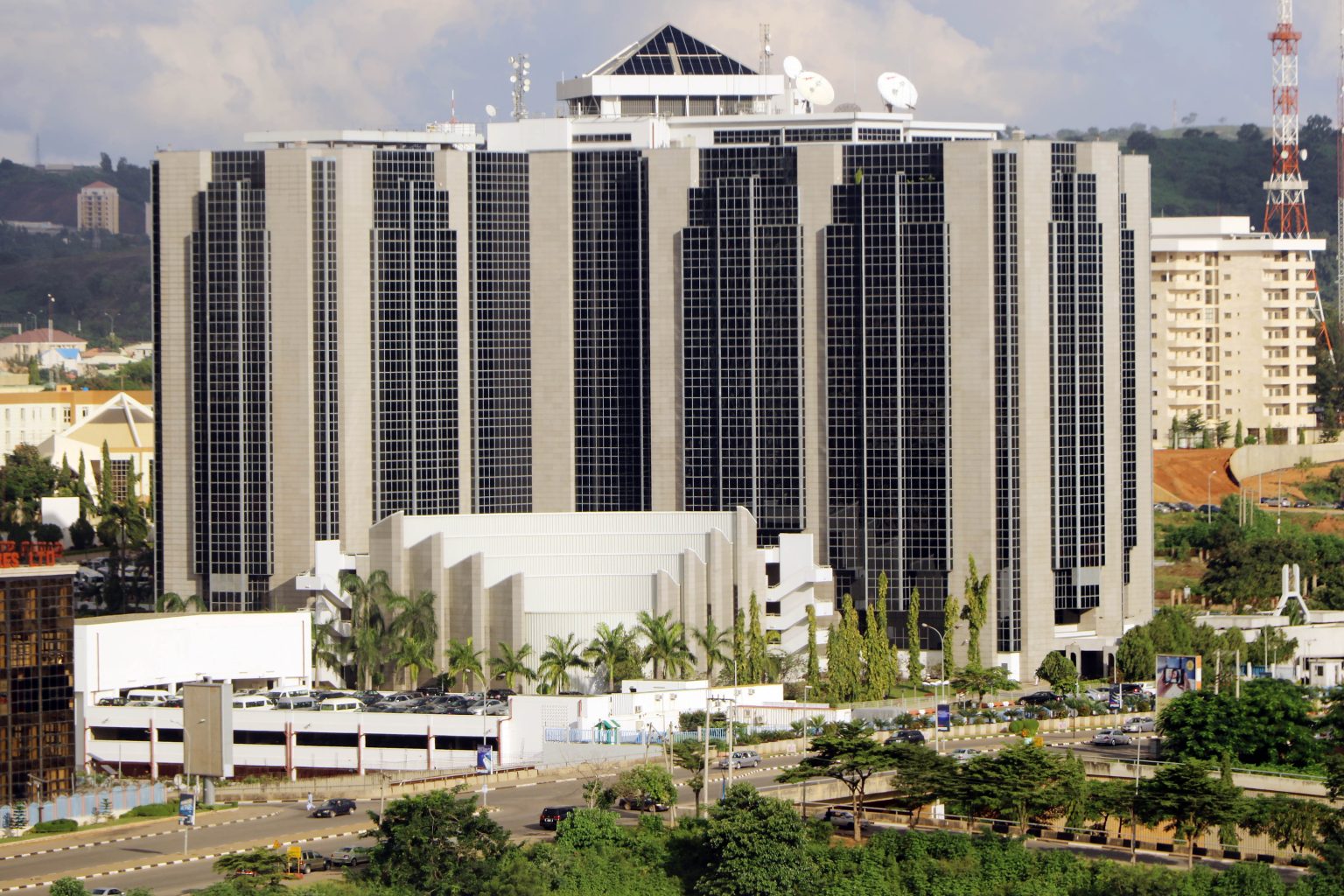

The Central Bank of Nigeria has directed commercial banks to restrict access to new credit facilities for loan defaulters classified as large ticket obligors, in a move aimed at tightening credit discipline and limiting risks to the financial system.
The directive was conveyed in a circular issued to banks on Monday and seen by AkwaIbomTimes. It bars affected borrowers with non-performing facilities recorded in the Credit Risk Management System or any licensed private credit bureau from obtaining additional loans and other forms of direct credit.
The restriction also covers selected banking instruments linked to credit support. These include bankers’ confirmations, letters of credit, performance bonds, and advance payment guarantees.
The move signals a stricter regulatory approach to borrowers whose unpaid obligations are considered large enough to pose wider risks to the banking sector. In the circular, the apex bank said the measure was intended to support financial system stability, protect depositors, and strengthen prudential compliance across the industry.
Large ticket obligors generally refer to individuals or companies with substantial outstanding exposure to banks. Reports on the directive indicate that the CBN is focusing on borrowers whose non-performing loans could have a material effect on lenders’ capital position or create broader systemic concerns.
The latest action also appears to build on an older CBN position against granting fresh facilities to defaulters and borrowers tied to AMCON obligations. Existing prudential rules already require banks to check the CRMS and credit bureau records before extending new loans.
For banks, the directive is expected to tighten screening and reduce the chances of serial defaulters obtaining fresh facilities while still carrying unresolved bad loans. For large corporate borrowers and other major debtors, it raises the cost of non compliance and narrows access to trade related banking support until outstanding obligations are addressed.