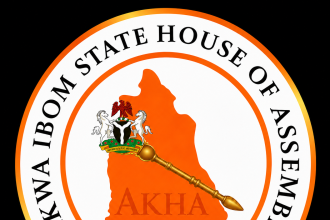

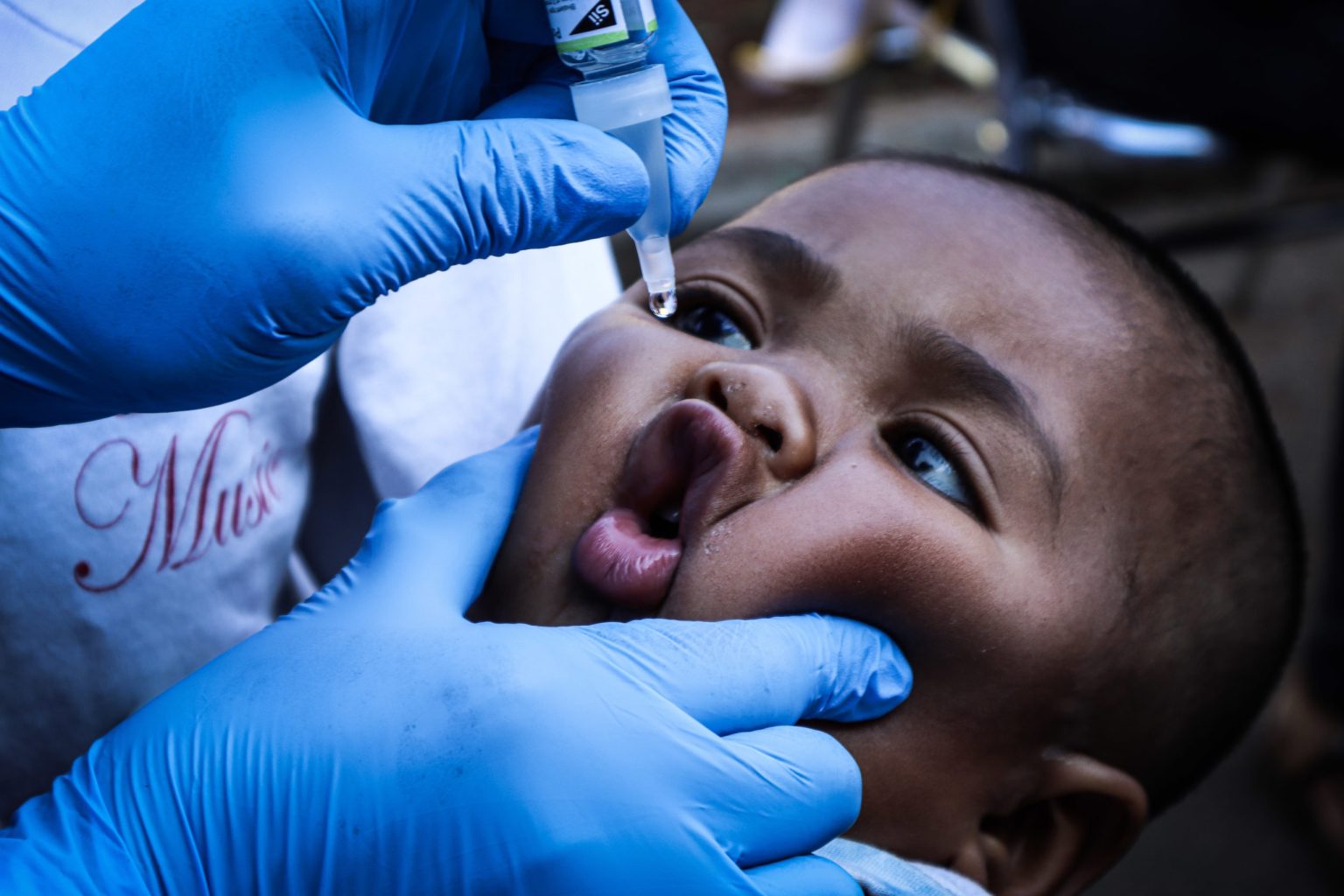

Nigeria is intensifying efforts to stop the transmission of circulating variant type 2 poliovirus, as health authorities and international partners move to close immunity gaps and strengthen vaccination coverage across high-risk communities.
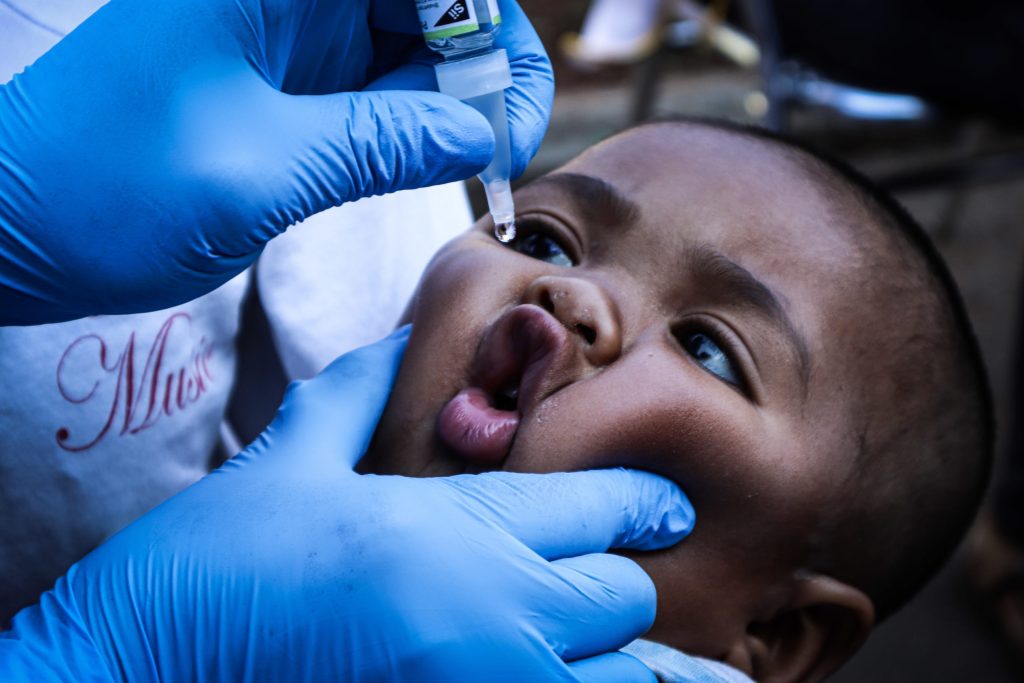
The renewed push follows a strategic retreat of the World Health Organization’s polio eradication programme in Abuja, where coordinators reviewed progress, identified operational gaps and refined support plans for 2026.
WHO said the campaign is critical because variant poliovirus continues to circulate in areas with low immunity, driven by insecurity, population movement and children missed during vaccination rounds.
Federal health authorities say the goal is to reach every eligible child with life-saving vaccines and strengthen the systems needed to sustain progress.
Nigeria remains free of wild poliovirus, but variant polio has continued to pose a threat to children in several parts of the country. Health officials say interrupting transmission is important to protect the country’s polio-free status and prevent fresh outbreaks.
WHO said Nigeria recorded a 35 per cent drop in cVPV2 detections by week 50 of 2025 compared with the same period in 2024. It also reported gains in campaign quality, community engagement and coverage in previously missed settlements.
According to the agency, 94 per cent of surveyed local government areas achieved at least 90 per cent polio vaccination coverage during the November supplemental immunisation round. It also said 96 per cent of previously missed children were reached through special intervention rounds, while zero-contact settlements across 20 northern states fell by 79 per cent.
Officials said lessons from states are shaping the next phase of the response. In Yobe, targeted surveillance tools helped identify isolated virus detections. In Kano, precision mapping improved access to hard-to-reach settlements. In Katsina and Sokoto, a directly observed vaccination approach was used to reduce hesitancy and improve coverage.
The broader campaign also rests on stronger routine immunisation, surveillance and political coordination. Earlier high-level engagements involving the Federal Ministry of Health and Social Welfare, the National Primary Health Care Development Agency and global partners stressed the need for tighter accountability, improved vaccine tracking, stronger cold chain systems and faster release of operational funds.
WHO said Nigeria had 66 cVPV2 cases from 44 local government areas in 12 states in the same period of 2025, down from 112 cases across 15 states as of 20 October 2024. The agency said the decline points to progress, but warned that sustained action will be needed to fully stop transmission.
Partners in the eradication effort, including WHO, UNICEF, Rotary International, the Gates Foundation and others, say the final phase will require stronger state-level ownership, better community mobilisation and consistently high-quality immunisation campaigns.
For Nigeria, the challenge now is to convert recent gains into complete interruption of variant polio transmission, especially in vulnerable and hard-to-reach areas where the virus can still survive.