

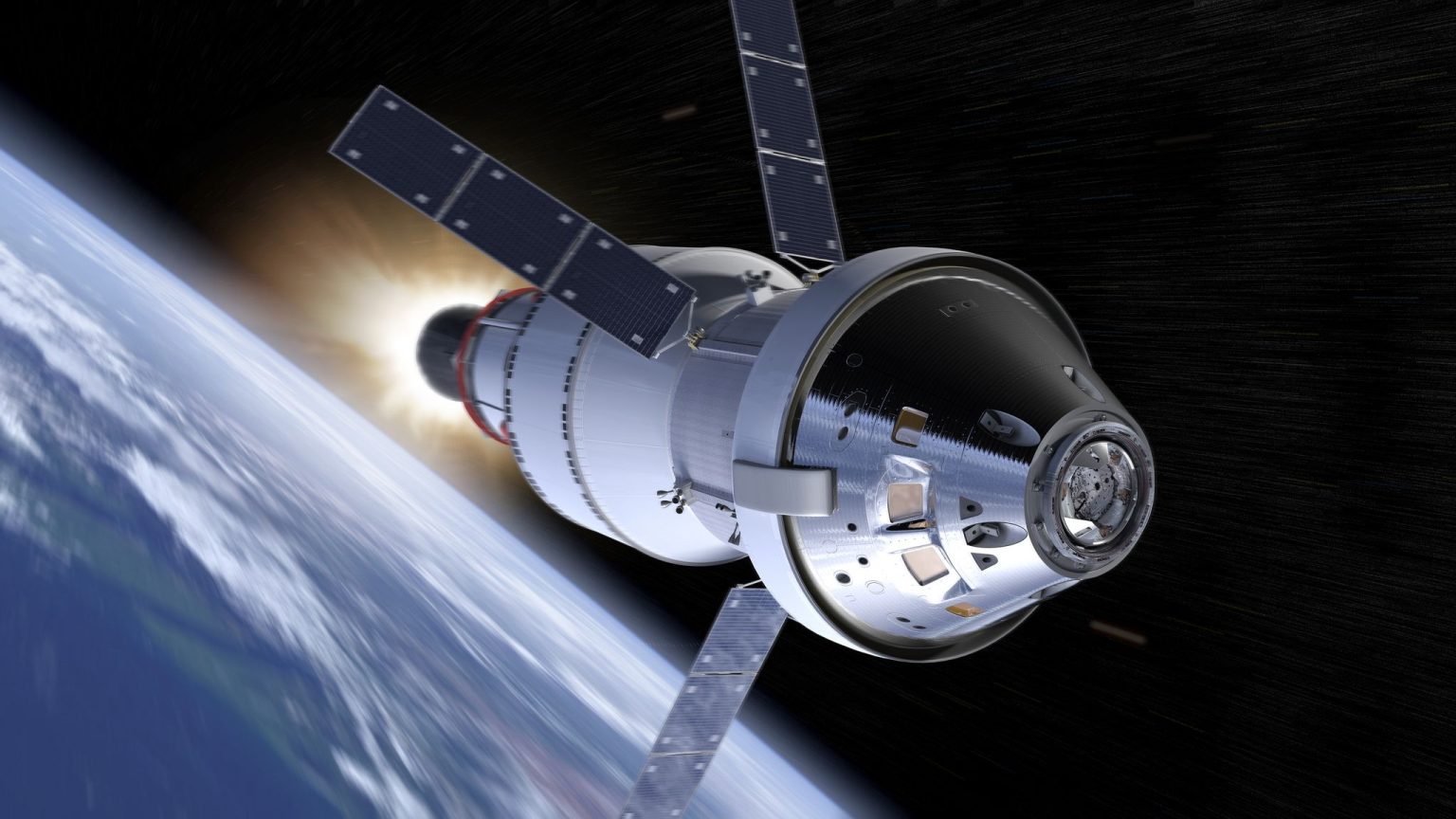

NASA’s Artemis II has launched, sending four astronauts on a 10-day lunar flyby in the first crewed Moon mission since Apollo.
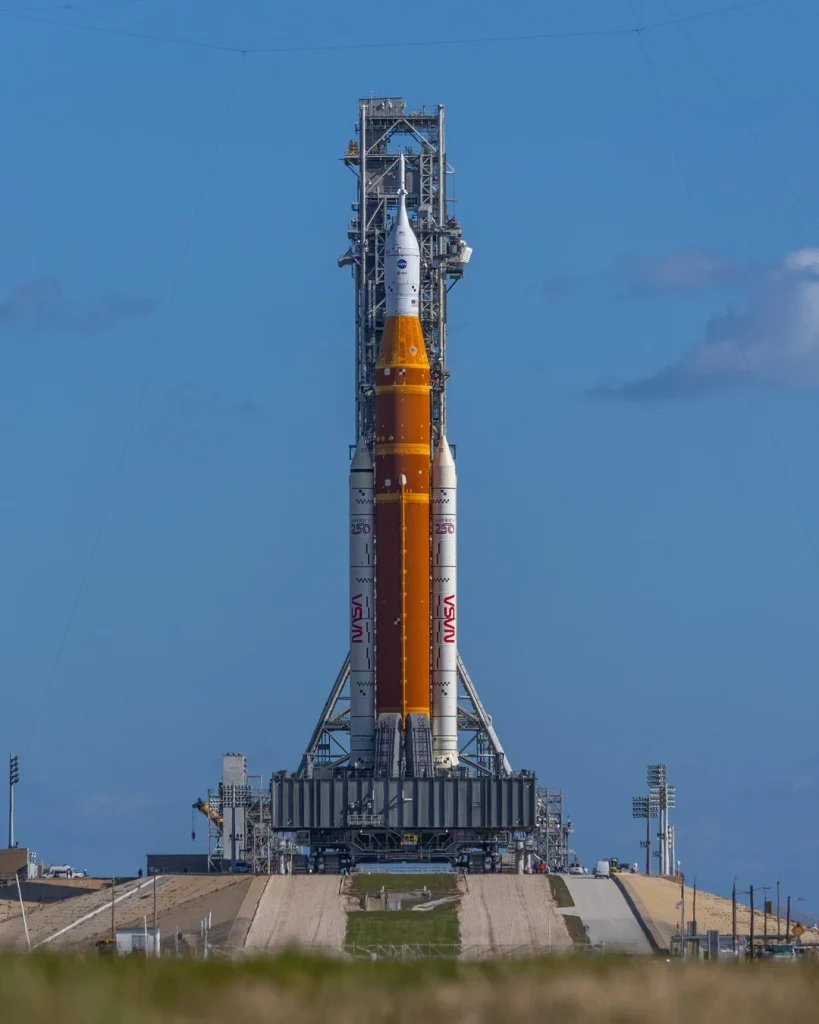
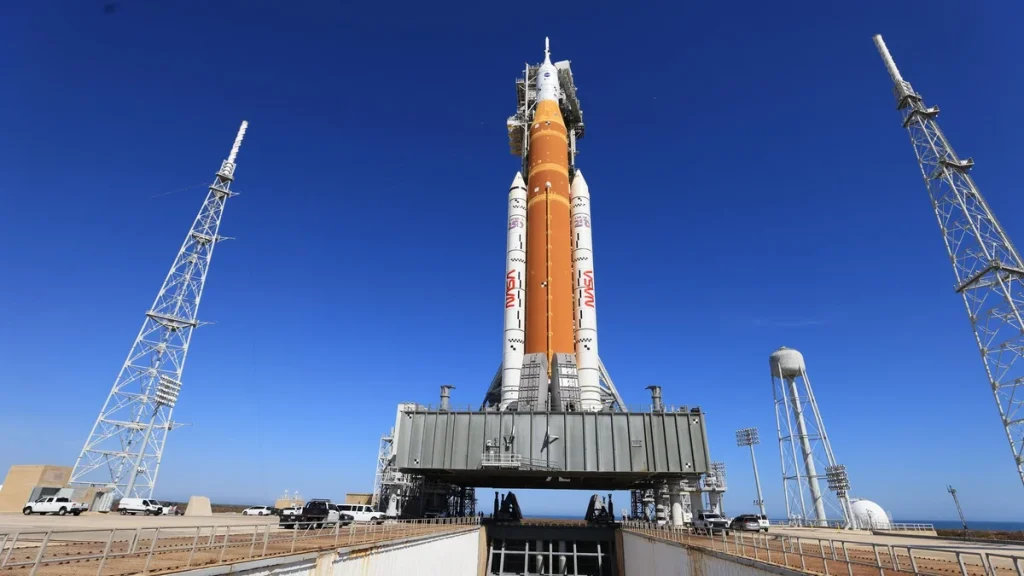
The mission sends four astronauts around the Moon aboard Orion in NASA’s first crewed Artemis flight, a key test for future lunar landings.
Artemis II is NASA’s first crewed Artemis mission and the first crewed lunar flyby in more than 50 years. It launched on 1 April 2026 aboard the Space Launch System from Kennedy Space Center, carrying four astronauts in the Orion spacecraft on an approximately 10-day mission around the Moon and back to Earth.
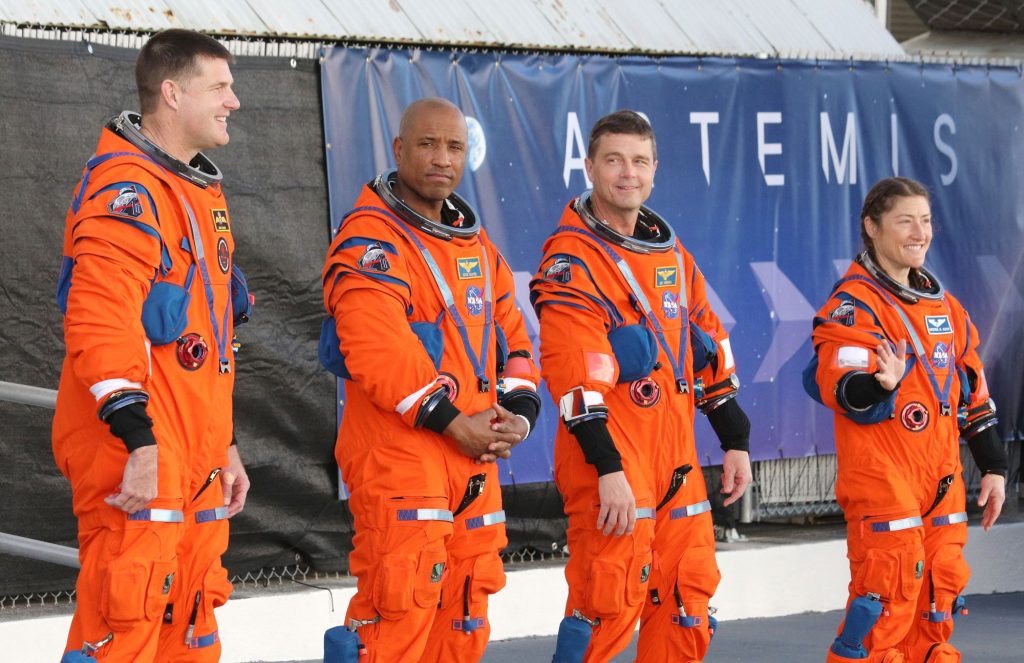
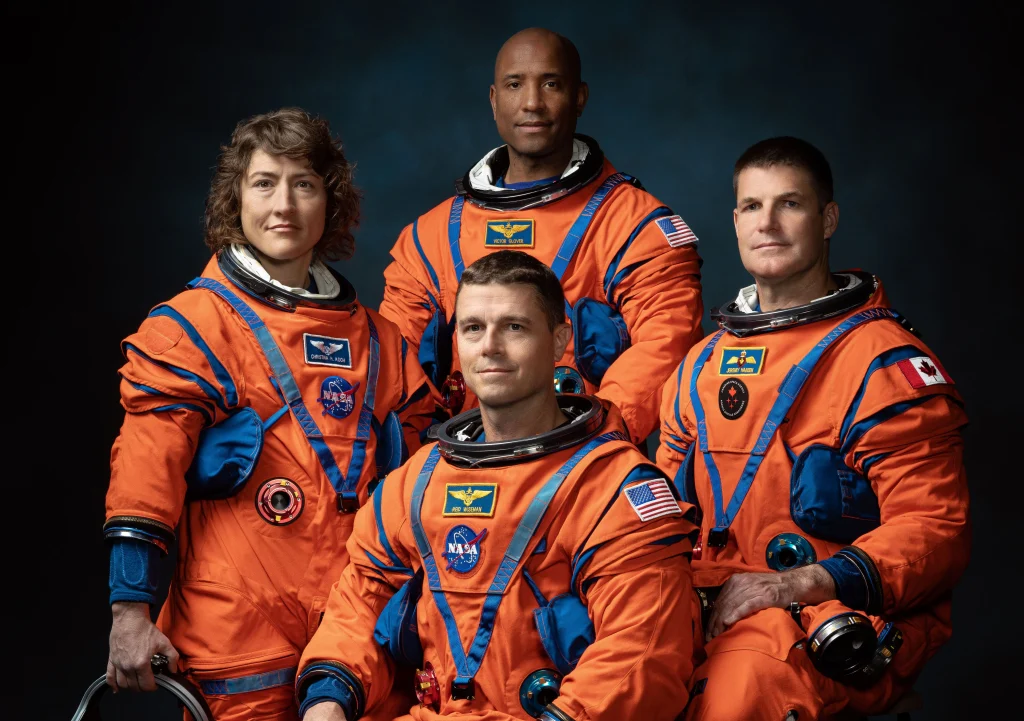
The crew is Reid Wiseman as commander, Victor Glover as pilot, Christina Koch as mission specialist, and Jeremy Hansen of the Canadian Space Agency as mission specialist. NASA says Hansen is part of the first Canadian mission to the Moon, which makes the flight important politically as well as technically.
What Artemis II is actually doing is more important than the phrase “flyby” suggests. NASA is using the mission to prove that Orion and SLS can safely carry people beyond low-Earth orbit, support them in deep space, maintain navigation and communications, and return them to Earth for recovery. NASA also built early mission operations around Earth orbit, including orbit-raising and proximity operations, before the spacecraft commits to the lunar trajectory.
The flight path is designed as a figure-eight style trajectory around the Moon. Orion does not land. Instead, the spacecraft swings around the Moon and uses lunar gravity to help bend its path back toward Earth. That makes Artemis II a systems-validation mission rather than a surface mission.
The hardware matters too. Orion is the crew vehicle. It is built to keep astronauts alive in deep space, handle long-distance communications, and survive high-speed re-entry. SLS is the heavy-lift rocket that sends Orion out of Earth orbit. NASA describes SLS as the launch system that can send Orion, four astronauts, and cargo directly toward the Moon in a single launch.
Why this mission matters is simple. Artemis I proved the stack could fly without crew. Artemis II tests the same architecture with people aboard. If Orion, SLS, life-support, mission operations, and recovery all perform as planned, Artemis II becomes the operational bridge to later lunar landing missions. NASA explicitly frames it as a key step toward long-term lunar exploration and, eventually, human missions farther into deep space, including Mars-oriented development.
In practical terms, Artemis II is answering four big questions. Can NASA launch humans safely on SLS. Can Orion support a crew in deep space. Can mission control manage a full lunar-return profile with astronauts aboard. Can the entire system bring the crew home safely. That is why the mission is so closely watched.