


NASA’s Artemis II astronauts have returned safely to Earth after a landmark crewed mission around the Moon, marking humanity’s first deep-space voyage of its kind in more than five decades.
The Orion spacecraft splashed down in the Pacific Ocean off the California coast on Friday, April 10, ending a mission that lasted just over nine days. Recovery teams from NASA and the US military moved in after splashdown and safely extracted the four astronauts from the capsule.
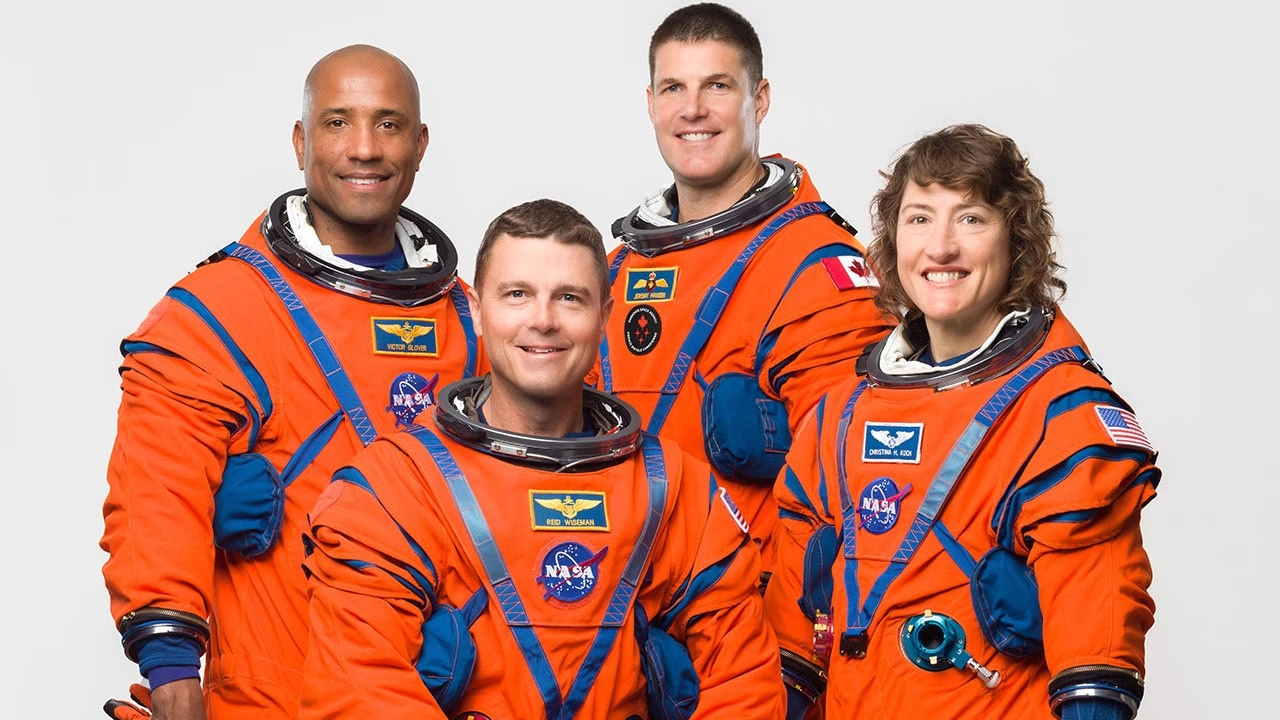
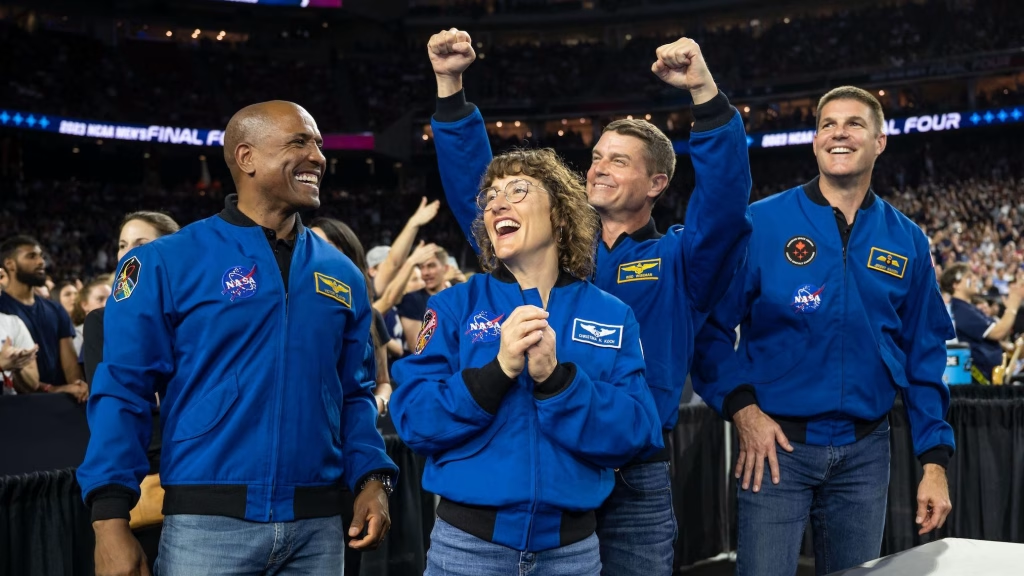
The crew comprised NASA astronauts Reid Wiseman, Victor Glover and Christina Koch, alongside Canadian Space Agency astronaut Jeremy Hansen. During the mission, they travelled around the far side of the Moon and back without landing, in what NASA described as a crucial crewed test of its Orion spacecraft and Space Launch System.
Artemis II also set a new record for the farthest distance humans have travelled from Earth. NASA said the mission surpassed the mark set during Apollo 13, underlining the scale of the journey and the significance of the test.
The return to Earth was one of the mission’s most critical phases. Orion re-entered the atmosphere at extremely high speed, endured intense heat, passed through a brief communications blackout, and then deployed parachutes for a controlled descent into the ocean.
The successful mission is a major milestone for NASA’s Artemis programme, which is aimed at returning humans to the Moon and building the systems needed for future deep-space exploration. It also provides fresh momentum for the next phase of the programme, as NASA works toward future missions that will test lunar landing systems and prepare for a return to the lunar surface.
For the United States and its international partners, the safe return of Artemis II is both a technical achievement and a symbolic one. It signals a new era in crewed lunar exploration and revives ambitions not seen since the Apollo era.