

By | Emmanuel Nicholas
All Akwa Ibom people, wherever they live, have a right to share in the wealth and progress of their state. It is therefore unfair to vilify the governor for seeking to provide affordable housing for his citizens.
Abuja’s housing market has become a daily struggle for many. Rents have spiralled to levels that put decent accommodation out of reach for ordinary workers and families.
Among those affected are Akwa Ibom indigenes who live and work in the Federal Capital Territory but still face unstable, overcrowded, or prohibitively expensive housing.
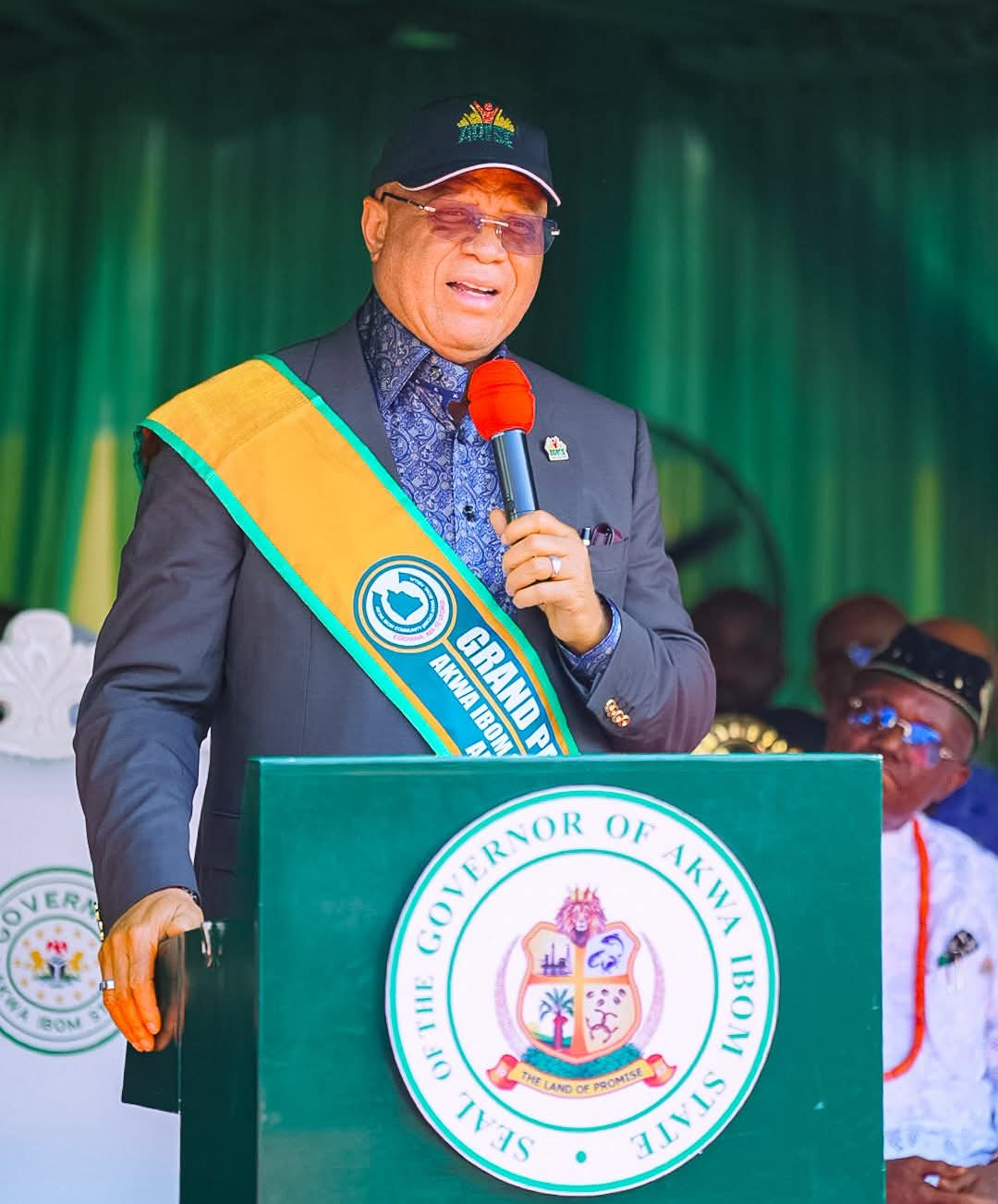
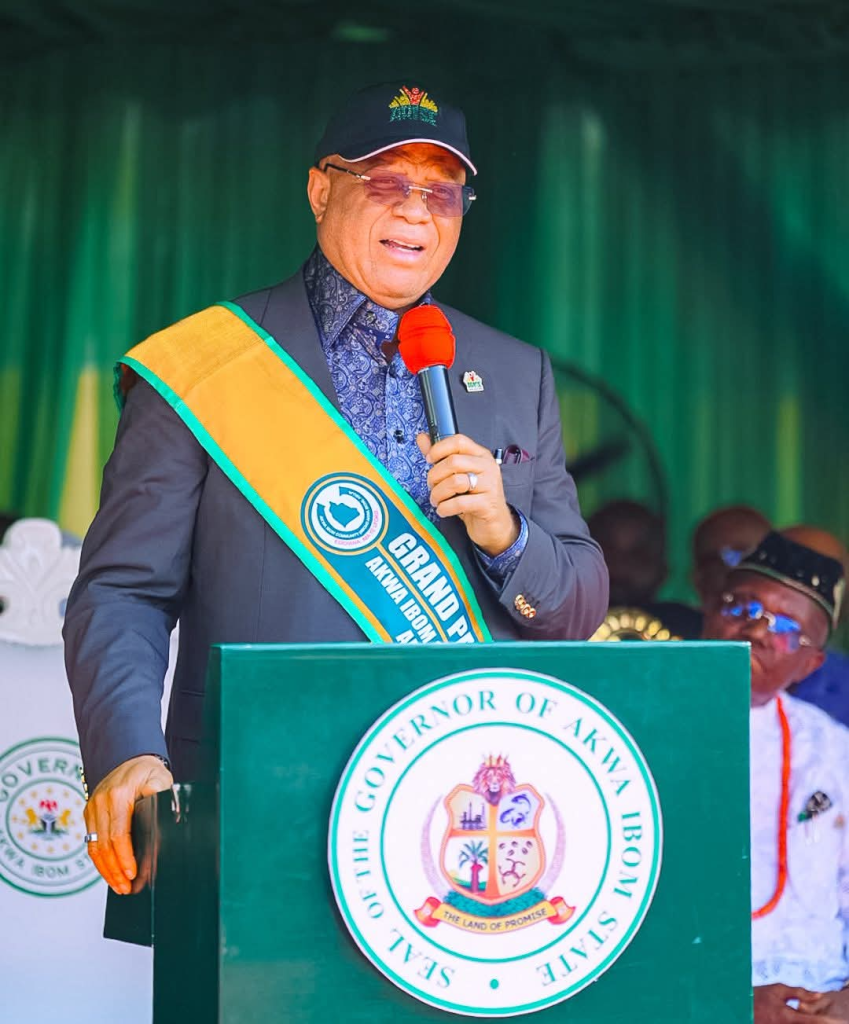
It was in recognition of this reality that Governor Umo Eno announced plans to develop an estate in Abuja targeted at Akwa Ibom residents in the FCT.
The governor made clear during a recent meeting with the Akwa Ibom community in Abuja that the houses in the planned estate will not be handed out for free; they will be sold to eligible residents at reduced, subsidised rates
This distinction matters: the aim is to enable ownership and long-term stability for families who currently pay high rents, not to create a permanent giveaway programme that may be unsustainable.
Criticism that the project is preferential or politically motivated overlooks the broader emergency many face every month.
Targeted housing initiatives for a state’s diaspora in the national capital are not uncommon and can be framed as a practical, welfare-minded response to a demonstrable need.
The purpose is not exclusion, but correcting an imbalance that places a disproportionate burden on a specific community.
Selling units at a reduced price rather than giving them away is also a responsible fiscal choice. A sale model generates revenue to help cover development costs, maintenance, and future investments, reducing the need for repeated budgetary bailouts.
This approach makes the project more likely to be completed on schedule and maintained in good condition for residents over the long term.
The sale model also preserves the dignity and agency of beneficiaries. Affordable ownership gives families a stake in their homes and communities, encouraging care, investment, and stability.
The governor’s target beneficiaries are Akwa Ibom residents who are legally and demonstrably living in Abuja and struggling with accommodation. Clear eligibility criteria such as proof of residence, length of stay in the FCT, and income thresholds that will help ensure the homes go to those who need them most.
To prevent abuse and nepotism, independent oversight will be built into the project from the outset. The Government of Akwa Ibom will ensure a transparent application and selection process, regular public reporting of allocations, and participation by community representatives and civil society.
These measures will reduce the chance of favouritism and strengthen public confidence in the scheme.
Residents of the estate deserve safe, durable, and well-designed housing with basic infrastructure such as water, power, access roads, and security. Governor Umo Eno’s administration is committed to providing these amenities.
Beyond immediate relief for renters, the estate will bring broader economic benefits to Akwa Ibom people. Construction will create jobs and demand for materials and services.
The project will also open opportunities to Akwa Ibom-based firms in Abuja, including qualified civil engineering companies that can deliver high-quality housing to specification.
The Akwa Ibom Community Housing Estate will strengthen community bonds, provide safe spaces for children to grow up, and reduce the stress and health problems associated with precarious accommodation.
It will help younger generations learn their culture and language and deepen mutual support among community members far from home. For many, the estate will reflect a shared identity and become a source of pride and cohesion.
So, constructive scrutiny,questions about eligibility, price-setting, and oversight should be welcomed.But blanket condemnation rooted in political rivalry or uninformed assumptions risks derailing a practical solution to a pressing human problem.
Leaders and critics alike should depoliticise the conversation: this is fundamentally a social welfare and economic issue, not merely an election or patronage matter.
Stakeholders who focus on the outcome affordable, decent housing for those who need it , will find common ground and contribute to improvements.
Governor Umo Eno’s promise, made after assessing the suffering of Akwa Ibom residents in Abuja, deserves measured support tempered by rigorous oversight.
The governor has assured that the Abuja Community Housing Estate will be implemented transparently and professionally and the estate will ease a genuine burden on Akwa Ibom families in the FCT, create economic value for the state, and set an example of practical governance.
Criticism that aims only to undermine without offering alternatives does a disservice to those who stand to benefit.
Governor Umo Eno’s Arise Agenda is an inclusive programme projected to benefit Akwa Ibom people wherever they are in the world.