
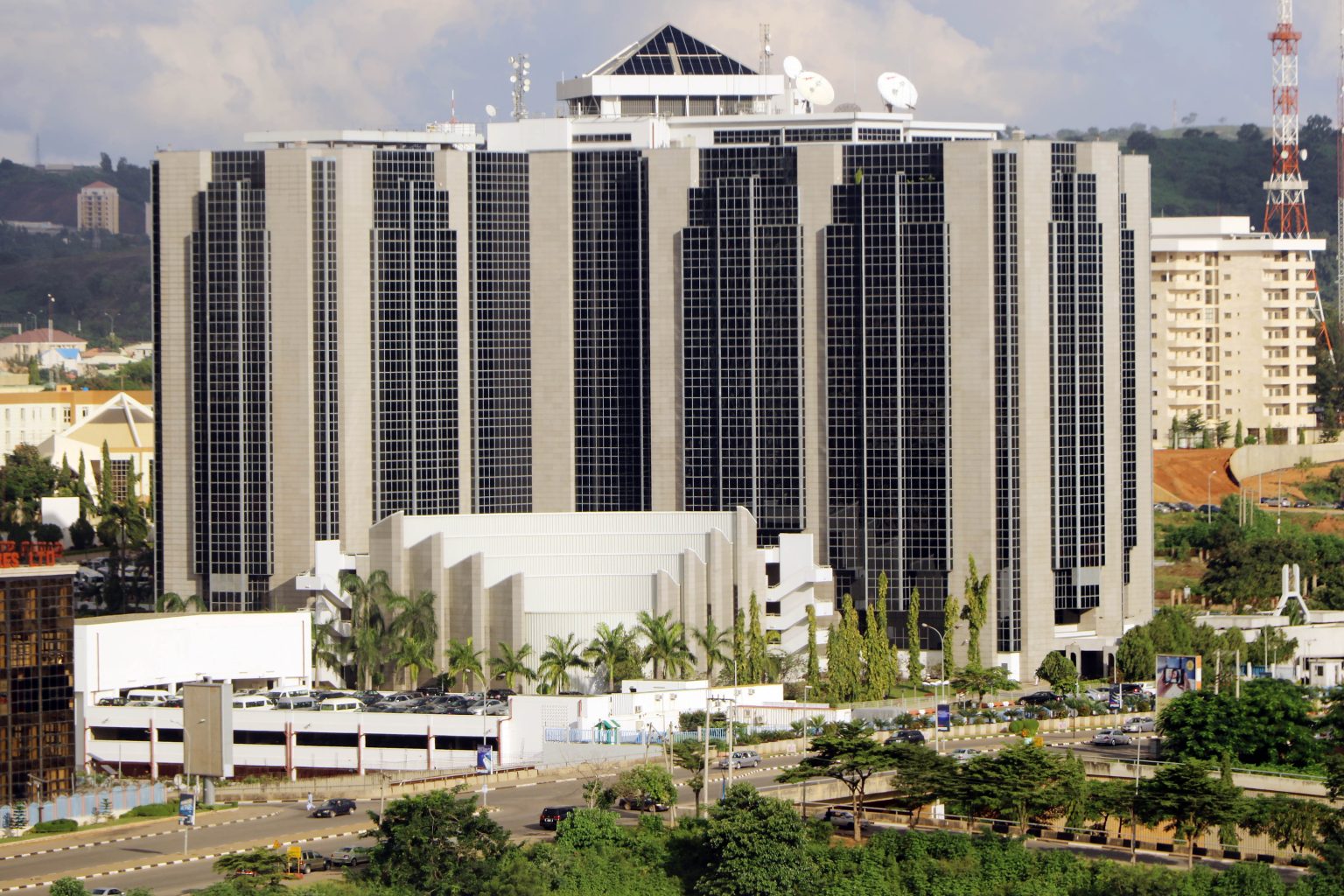

Nigeria’s banking industry is entering the closing phase of the Central Bank of Nigeria’s recapitalisation programme, with the regulator saying that 30 banks had met the new minimum capital requirements for their licence categories as of March 6, 2026. The CBN also said that all 33 banks had raised fresh capital, while the remaining three were still undergoing routine verification ahead of the March 31, 2026 deadline.
The exercise marks one of the most important regulatory reforms in the sector in recent years. It was introduced to strengthen the capital base of banks, improve their ability to absorb shocks, and position them to support larger volumes of lending to businesses, households and major projects. Under the new framework, international commercial banks are expected to maintain a minimum capital base of N500 billion, national banks N200 billion, and regional banks N50 billion.
For the industry, the implication is clear. Bigger and better capitalised banks are likely to emerge stronger, more competitive and better placed to finance infrastructure, oil and gas, manufacturing, trade and digital transformation. A stronger capital base also improves confidence among depositors, investors and foreign partners. In a period shaped by inflation, foreign exchange pressure and rising credit risk, stronger balance sheets give banks more room to manage stress.
The recapitalisation push is also exposing the gap between large, well capitalised institutions and smaller lenders still trying to catch up. The strongest banks have mostly relied on rights issues, public offers, private placements and internal restructuring to meet the new rules. Others have had to consider mergers, acquisitions, strategic investors or possible adjustments to their operating licence.
Among the banks that have publicly disclosed compliance are some of Nigeria’s largest lenders. Access Bank has said it has met the N500 billion requirement for banks with international authorisation. First HoldCo, the parent of FirstBank, has also announced that it has crossed the N500 billion mark after a combination of capital raising and asset restructuring. United Bank for Africa and Fidelity Bank have also reported that their capital positions are now above the new threshold, although, in some cases, final regulatory confirmation remains part of the process.
In the national banking segment, several banks have also moved ahead. Wema Bank announced that it had completed a N150 billion rights issue and said it had surpassed the capital level required for a national licence, though part of the exercise still required final review. Citibank Nigeria, Standard Chartered Bank Nigeria, Ecobank Nigeria, Globus Bank, Stanbic IBTC and PremiumTrust Bank have all been reported as having met the N200 billion benchmark.
Sterling HoldCo has also stated that both Sterling Bank and The Alternative Bank are now fully recapitalised, following final regulatory approvals. In the non interest segment, Jaiz Bank, Lotus Bank and TAJBank have also strengthened their positions ahead of the deadline.
The compliance story, however, is not yet complete across the industry. Some banks remain under pressure because raising capital is only one part of the process. Final verification, regulatory recognition and court backed restructuring also matter.
FCMB remains one of the institutions being closely watched. Market reports suggest the group has made substantial progress and may be close to the required level for an international licence, but it was still awaiting clear validation of its final capital position. That leaves it in a watchlist category rather than among the banks that can be described as unambiguously cleared.
The proposed merger between Unity Bank and Providus Bank is another major case. The transaction has advanced significantly and is widely seen as a strategic response to the recapitalisation challenge. Reports indicate that the combined entity would exceed the N200 billion minimum for a national banking licence, but the process still requires completion of final legal and regulatory steps before it can be treated as fully closed.
This means the banks still struggling are not always struggling in the same way. Some have raised the money but are waiting for verification. Some are using mergers to bridge the gap. Some may still need additional capital injection or restructuring to avoid missing the deadline. The CBN has not publicly named the three banks still under verification, so any attempt to produce a definitive list of non compliant institutions would go beyond what has been officially confirmed.
For customers, the immediate concern is stability, and the CBN has tried to calm the market by insisting that the banking system remains sound. That assurance matters, because recapitalisation often creates anxiety around weaker institutions. For now, the bigger issue is not panic, but transition. Some banks may emerge with stronger ownership structures. Some may combine with rivals. Others may narrow their ambitions by operating in a lower licence category.
For investors, the recapitalisation drive is already redrawing the map of the sector. It is separating banks that can raise large sums from the market from those that depend on strategic deals for survival. For the wider economy, the success of the exercise could produce banks that are more resilient and better able to support growth. It could also leave the sector more concentrated, with fewer weak standalone players and a sharper divide between top tier banks and the rest.
By the end of March, the Nigerian banking landscape may look leaner, stronger and more demanding for institutions that failed to prepare early. The recapitalisation exercise is no longer just a regulatory test. It is becoming a measure of which banks have the scale, investor confidence and strategic depth to compete in the next phase of Nigeria’s financial system.