
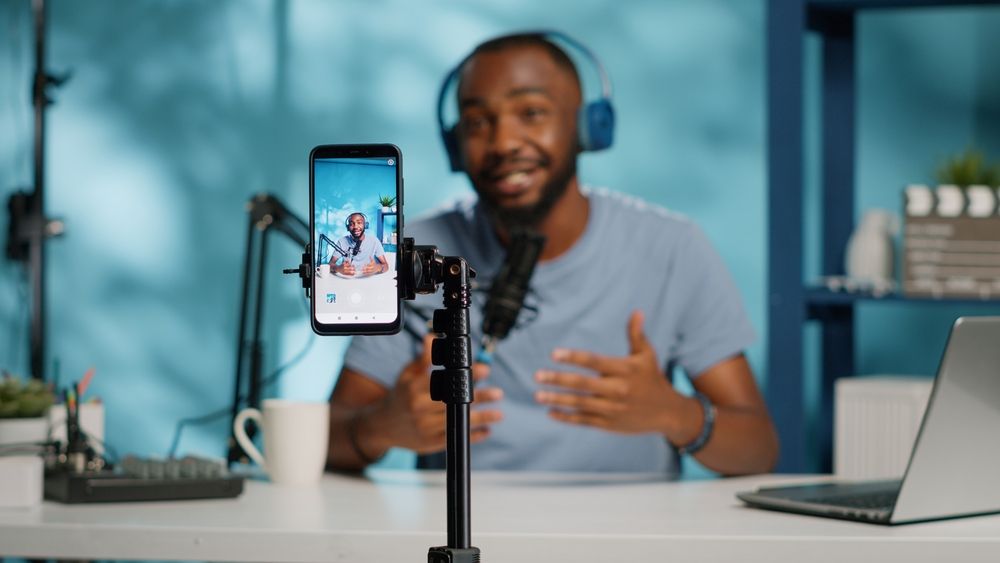

The Nigeria Data Protection Commission, NDPC, has warned that content creators who record or photograph unsuspecting members of the public and post the material online could face sanctions under the law.
The commission said the practice raises serious privacy concerns, especially where individuals are filmed in public without consent and their images are later used for entertainment or social media content.
Its warning followed concerns over a Lagos-based content creator accused of recording unsuspecting people by the roadside for a reality-style show. According to the NDPC, its preliminary findings suggest the conduct serves neither a public interest nor a legitimate interest that would justify the use of those individuals’ images without their knowledge.
The agency said this kind of conduct may amount to unlawful processing of personal data and a breach of citizens’ privacy rights under Nigeria’s legal framework.
The NDPC linked its position to Section 37 of the 1999 Constitution, which guarantees the privacy of citizens, and to the Nigeria Data Protection Act, 2023, which regulates how personal data may be collected, processed, stored and shared.
The commission said consent is generally required where a person’s image is being processed in a way that makes them identifiable, unless there is another lawful basis recognised by law.
It also signalled that enforcement may go beyond individual creators. The NDPC said major digital platforms, including TikTok, X and Meta, have been directed to strengthen compliance with their community rules in cases involving harmful or unlawful data processing.
The warning marks a stronger regulatory stance as short-form video content, prank videos and street-style social media recordings continue to grow across Nigeria’s digital space.
While recording in public is not automatically unlawful in every case, the NDPC’s position suggests that creators who monetise or widely distribute identifiable images of unsuspecting people may now face greater scrutiny where privacy rights are breached.
The commission has the power under the Nigeria Data Protection Act to investigate complaints, issue enforcement orders and impose sanctions where breaches are established.
This latest move signals that Nigeria’s data regulator is drawing a clearer line between content creation and privacy abuse.