
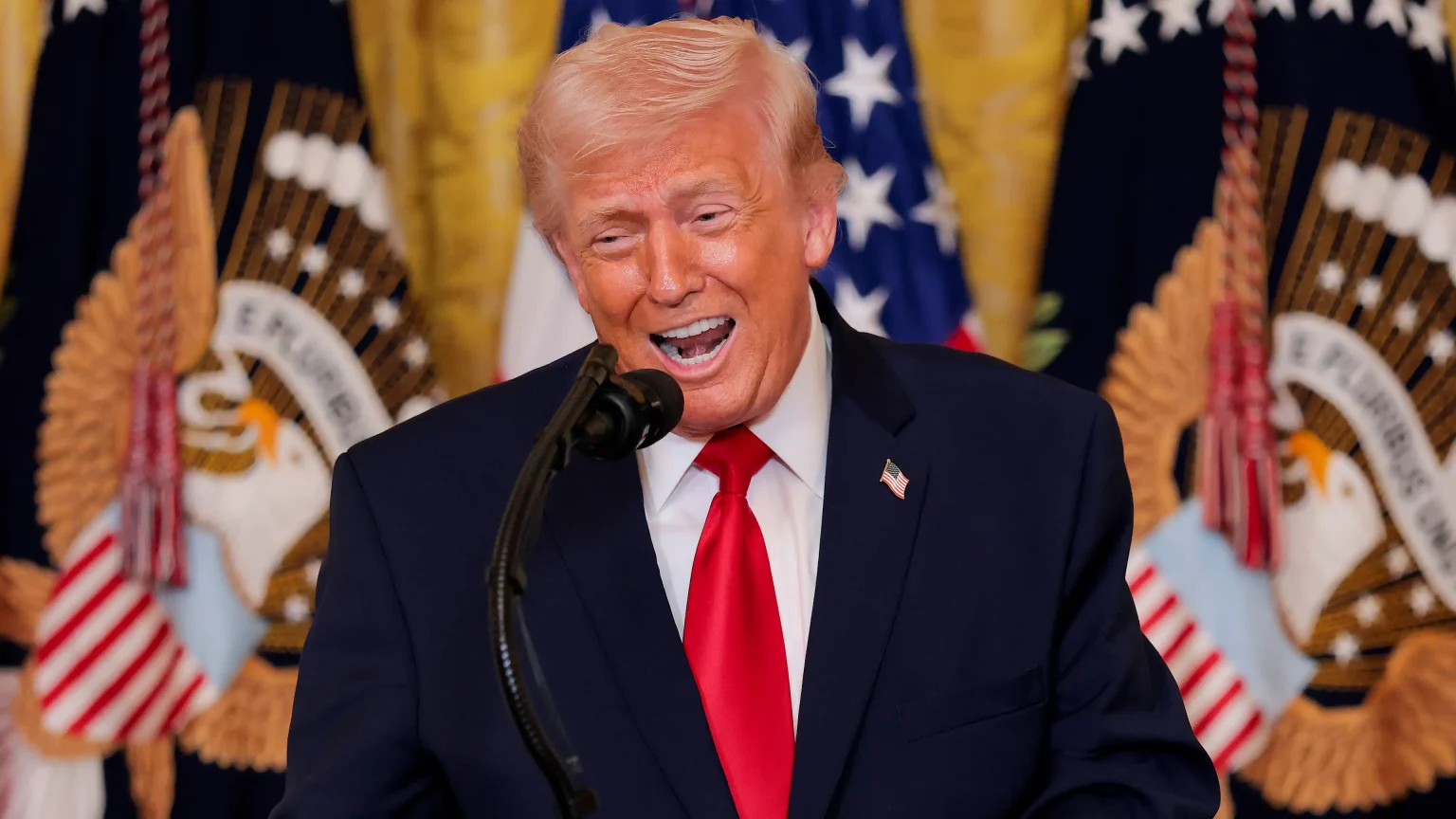

United States President Donald Trump has declared that the Strait of Hormuz will be kept “open, safe and free”, signalling a harder line from Washington as the crisis around one of the world’s most important shipping routes deepens.
Trump made the remark in a Truth Social post on Saturday, writing, “One way or the other, we will soon get the Hormuz Strait OPEN, SAFE, and FREE!” He also urged other countries to join efforts to secure the waterway, saying nations that depend heavily on Gulf energy supplies should share the burden.
He specifically called on countries including China, France, Japan, South Korea and Britain to send warships to help protect shipping through the strait. At the time of the statement, there was no public confirmation that those countries had committed forces.
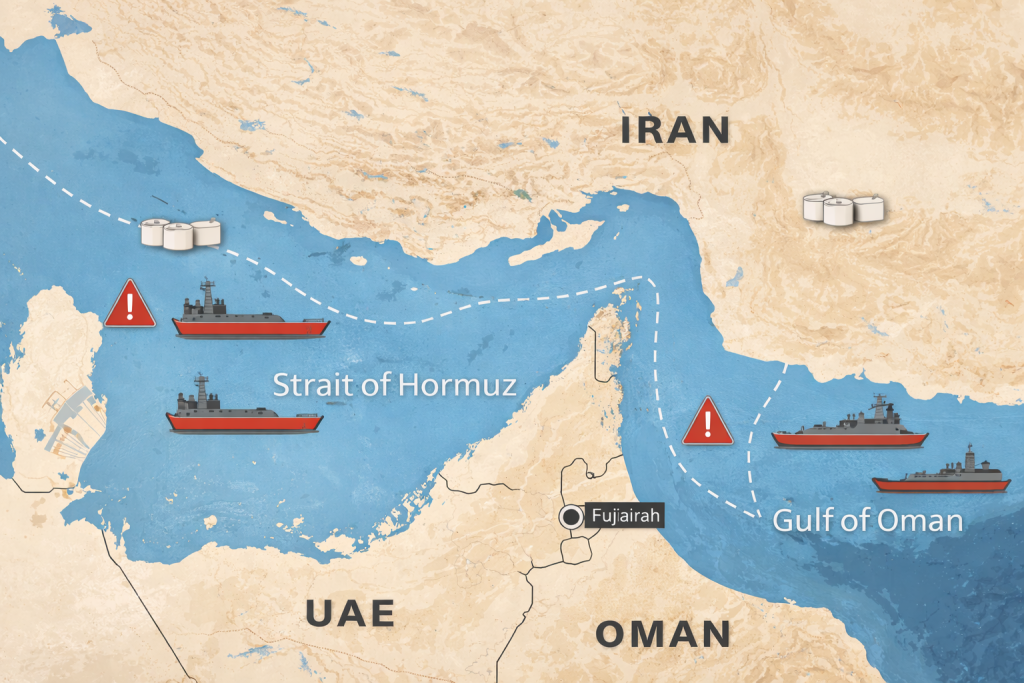
The statement came as the confrontation involving the United States, Israel and Iran continued to widen, with the Strait of Hormuz emerging as a central pressure point in the conflict. The route has faced severe disruption following Iranian retaliation and Western military action, raising fears over the safety of commercial tanker traffic and the wider stability of regional energy infrastructure.
The stakes are high because the Strait of Hormuz is a critical artery for global energy trade. A significant share of the world’s oil and liquefied natural gas shipments passes through the corridor, making any threat to its operation a major concern for governments, traders and import-dependent economies.
Fresh signs of strain have already appeared elsewhere in the Gulf. Some oil-loading operations at Fujairah in the United Arab Emirates were suspended after a drone-related incident and fire, underlining how quickly the conflict could spill into energy export hubs beyond the strait itself.
Trump’s language suggests that Washington wants to project resolve while also pressing allies and major importers to take a more active security role. The message was blunt, but the policy signal was equally clear, the US does not want to carry the task of reopening and policing the route alone.
For oil markets, the development matters immediately. Any prolonged disruption in Hormuz threatens supply flows, shipping insurance costs and global energy prices, especially at a time when regional infrastructure is already under pressure from military escalation.