

By Aniefiok Macauley
In Akwa Ibom, development is taking a form many ordinary people can now see and feel. It is no longer limited to policy statements or official ceremonies. For many families, it now means living in decent homes, escaping the pressure of rent, and finding a fresh path to economic stability.
That shift is at the centre of Governor Umo Eno’s housing programme, which is not only providing shelter to vulnerable residents but also stimulating economic activity across the state.
For people like Madam Iniema Isaac, a widow from Ukanafun, the impact is deeply personal. She had lived for years in a weak thatched house that offered little safety or comfort. Today, she has a fully furnished home and has also received a N500,000 business grant to help rebuild her means of livelihood.
Her story reflects the wider direction of the administration’s housing policy, which treats housing as more than a physical structure. The model links shelter with economic support, giving beneficiaries both security and a chance to rebuild their lives.
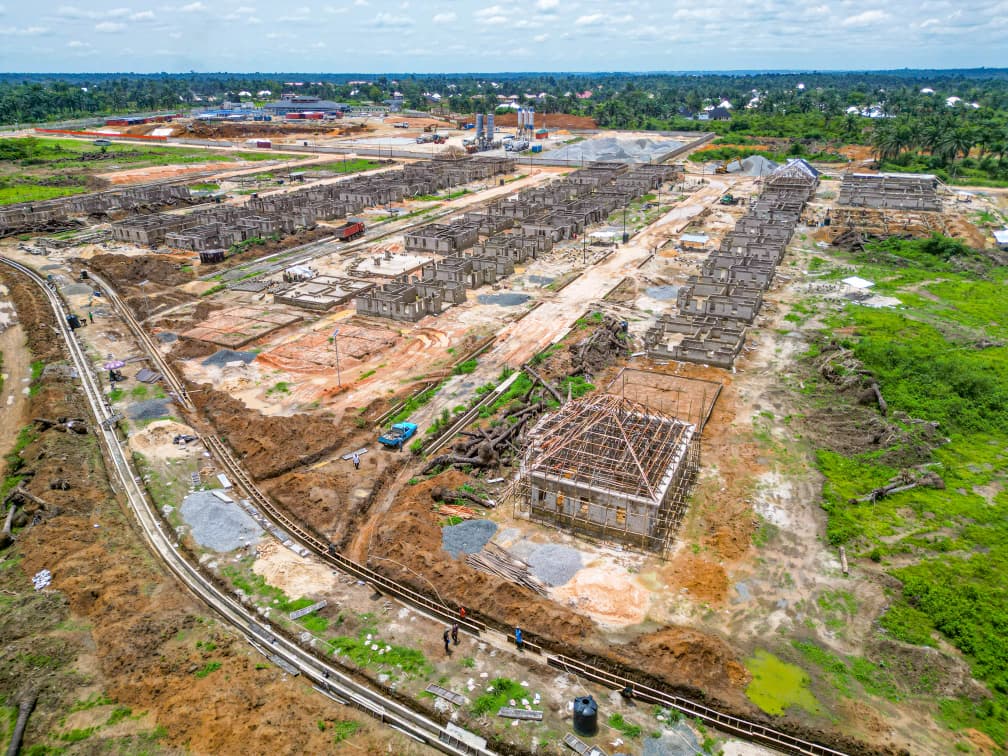
A similar experience can be seen in Nsit Atai, where Sunday Etim Obot, a physically challenged father of six, moved from a condition of uncertainty to one of stability. Once troubled by fears that his home could collapse during storms, he now has a house of his own and support to run a small business.
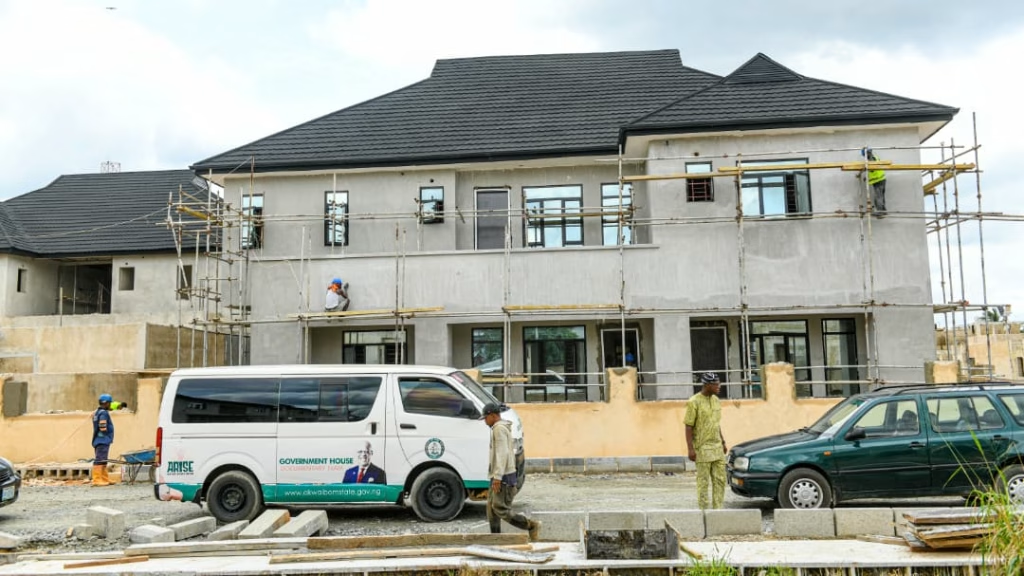
These examples show that the housing initiative is built on a broader economic idea. By combining home ownership with financial assistance, the government is helping vulnerable citizens move from hardship to greater self-reliance.
The impact also reaches far beyond the direct beneficiaries. Housing projects across the 31 local government areas have created work for artisans and labourers, including masons, carpenters, electricians, welders and painters. Around these construction sites, transport operators, food vendors and local suppliers are also finding opportunities. Professionals such as architects, engineers and surveyors are equally benefiting from the increased level of activity.
This has helped widen the programme’s economic value. The housing projects have supported thousands of direct and indirect jobs, while also encouraging spending and local enterprise in many communities.
Civil servants have also felt the benefit. The provision of 170 housing units to workers, especially those on lower grade levels, has reduced the burden of rent and improved household finances. For many, the shift from rented accommodation to home ownership has brought relief and a stronger sense of security.
The programme fits into the wider objectives of the ARISE Agenda, where housing remains one of the key focus areas of the administration. Government officials say the approach is deliberate, with the aim of reducing the housing deficit while using construction and real estate development as tools for economic growth.
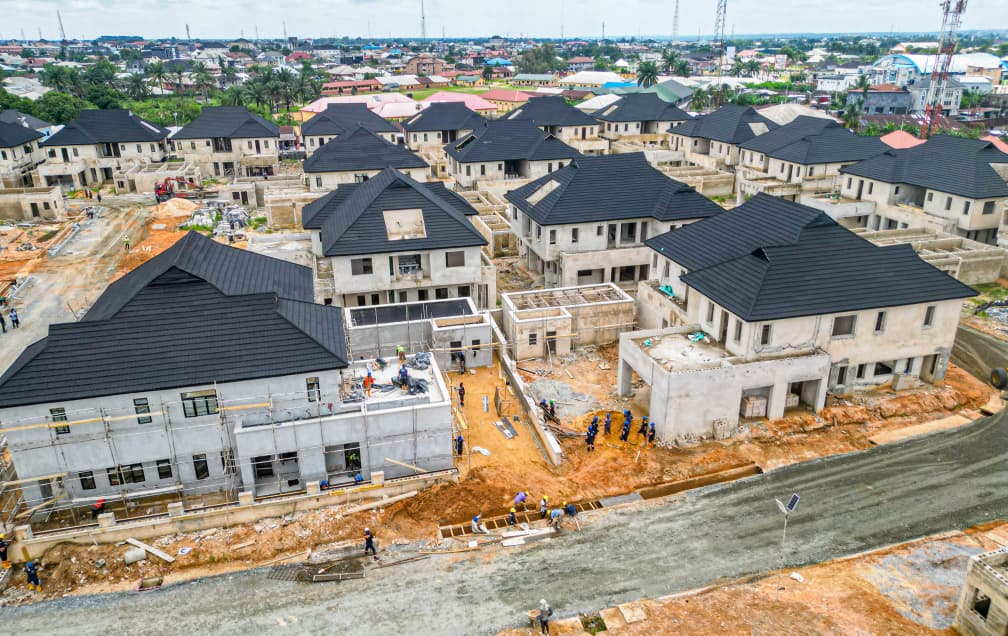
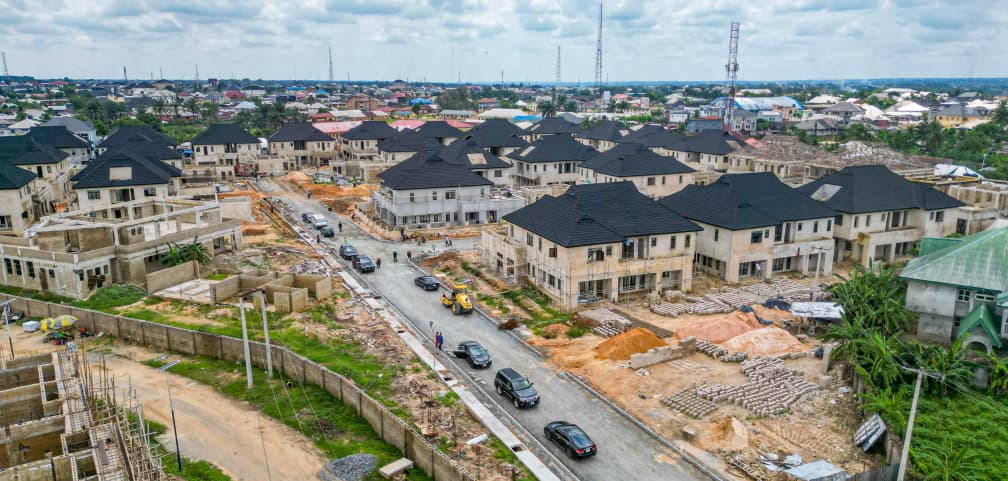
According to information from the state government, more than 1,048 housing units have been delivered in less than three years. These include 438 ARISE Compassionate Homes for vulnerable residents, 230 units at Grace Estate, 100 units at the Aviation Village, and 100 medical residences at the Medical City.
Other projects include 64 units for members of the House of Assembly and Executive Council, 50 units at the Judiciary Quarters, 35 units at Ewet Luxury Gardens, and 31 residences for local government chairmen.
Officials say 355 of the 438 Compassionate Homes completed so far have already been handed over, with a target of 500 units in view. Plans are also underway for an additional 150 townhouses along the reclaimed Uyo Village Road corridor.
What stands out in the administration’s approach is its effort to serve different segments of society. At one level, the Compassionate Homes initiative is targeted at widows, orphans and persons with disabilities. At another, estates such as Grace Estate are intended to support public sector workers. At the upper end, premium projects like Ewet Luxury Gardens and Dakkada Luxury Estate are positioned to attract investors and higher-income residents.
This layered strategy gives the housing drive both social and economic value. It addresses basic welfare concerns while also supporting property development, investment and urban expansion.
The wider development effect is also visible in the transformation of reclaimed land in Uyo. More than 100 hectares of land that once served as a dumpsite are being developed into a residential and commercial corridor. The vision for that area includes housing, agriculture and a creative village, with the potential to open up new opportunities for investment and enterprise.
Specialised clusters such as the Aviation Village, Judiciary Village and Medical City residences are also expected to support productivity in key sectors by creating better living conditions for professionals. In doing so, they strengthen the state’s appeal as a destination for skilled workers and long-term investment.
Beyond Akwa Ibom, proposed projects such as Ibom Gardens in Abuja and Ibom Towers in Lagos suggest an ambition to extend the state’s real estate footprint into major national markets. That strategy could also support internally generated revenue and deepen Akwa Ibom’s role in Nigeria’s broader property sector.
Taken together, the housing programme points to a development model that goes beyond brick and mortar. It is creating jobs, supporting businesses, reducing pressure on poor households and restoring dignity to people who once lived without hope of decent shelter.
For widows, civil servants, artisans and investors alike, the results are becoming more visible. Governor Umo Eno’s housing drive is shaping more than neighbourhoods. It is helping to build an economy in which growth and human welfare move together.
Across Akwa Ibom, each new housing project now stands as more than a physical structure. It is part of a wider effort to make development practical, inclusive and economically meaningful for the people.