
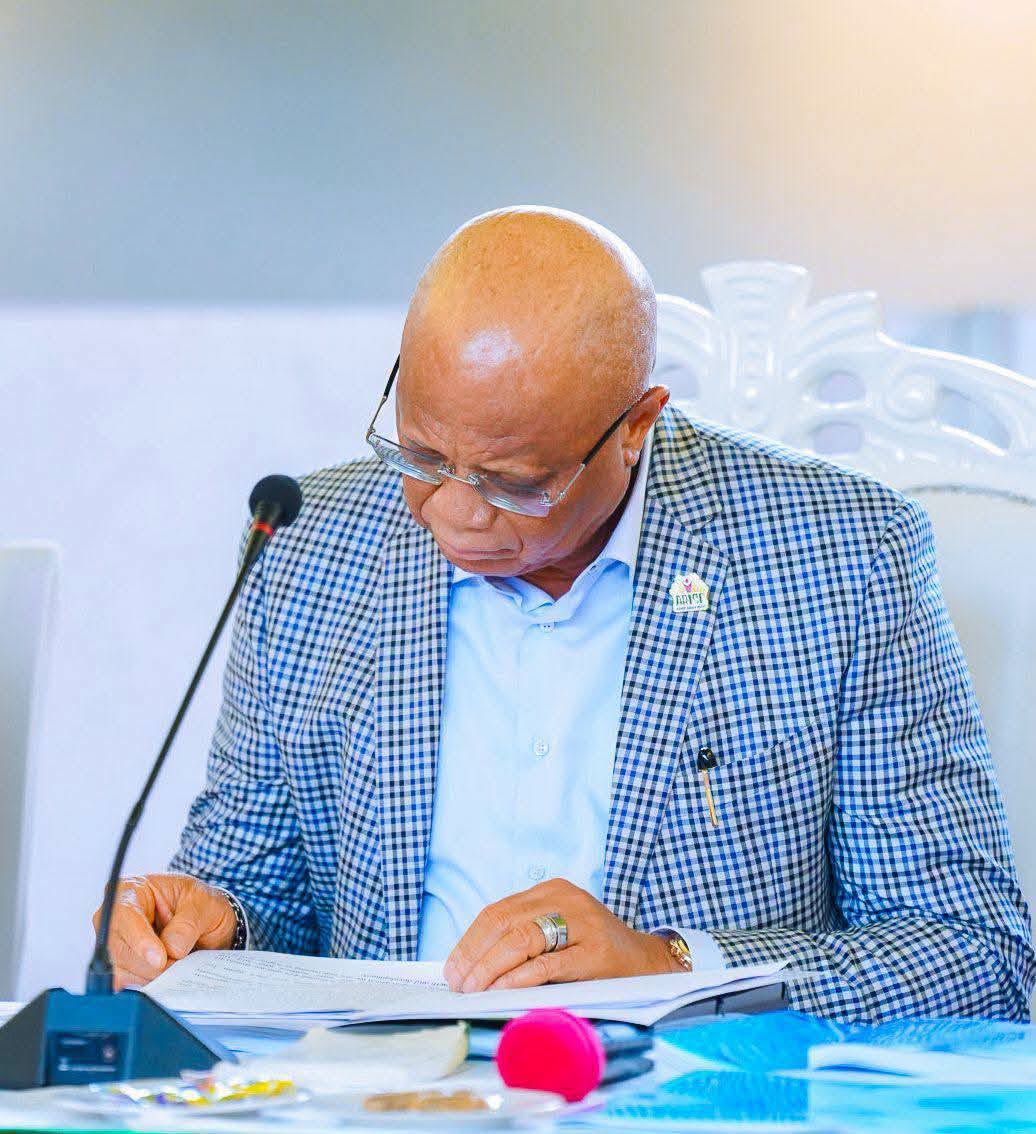

Akwa Ibom State Governor, Pastor Umo Eno, has approved ₦1.968 billion for the payment of examination fees for students at the basic and secondary education levels across the state.
The intervention forms part of the administration’s efforts to sustain free and compulsory education, reduce the financial pressure on families and ensure that eligible students can participate in essential examinations without being excluded because of financial difficulties.
Governor Eno has directed the Ministry of Education and other relevant government agencies to immediately implement the approval and ensure the timely payment of all examination related charges.
Of the approved amount, ₦1.368 billion will fund the West African Senior School Certificate Examination, WASSCE, and associated requirements.
The allocation will cover WASSCE registration fees, National Identification Number registration, online and offline biometric enrolment, science practical examinations, Continuous Assessment submission, monitoring and other administrative expenses connected with the examination.
The government also approved ₦50 million for the payment of National Business and Technical Examinations Board, NABTEB, examination fees.
Another ₦550 million has been allocated for the conduct of major state examinations, including the Common Entrance and Placement Examination, Basic Education Certificate Examination and Senior Secondary II Promotion Examination.
The allocation will also cover entrance examinations into senior science colleges and the Government Model Girls’ Secondary School in Akwa Ibom State.
The examination fee intervention is expected to benefit thousands of students and strengthen equal access to educational opportunities across the state.
It also complements the recently approved ₦1.3 billion bursary programme for eligible Akwa Ibom students in the 2025/2026 academic session.
Together, the examination fee and bursary approvals bring the government’s latest education sector commitment to more than ₦3.2 billion.
The government said the investment reflects Governor Eno’s commitment to human capital development under the ARISE Agenda and his determination to remove financial barriers that could prevent students from completing their education.
The administration maintained that education remains central to sustainable development, social mobility and the preparation of young people for future academic and economic opportunities.