


Amazon is reportedly in advanced talks to acquire satellite communications company Globalstar in a deal valued at about $9 billion, a move that could intensify competition with SpaceX’s Starlink in Africa’s expanding broadband market.
The reported discussions are said to focus on Globalstar’s spectrum holdings and existing satellite infrastructure. While the deal has not been publicly confirmed and remains subject to negotiation, it would mark a major step in Amazon’s effort to strengthen its satellite internet ambitions.
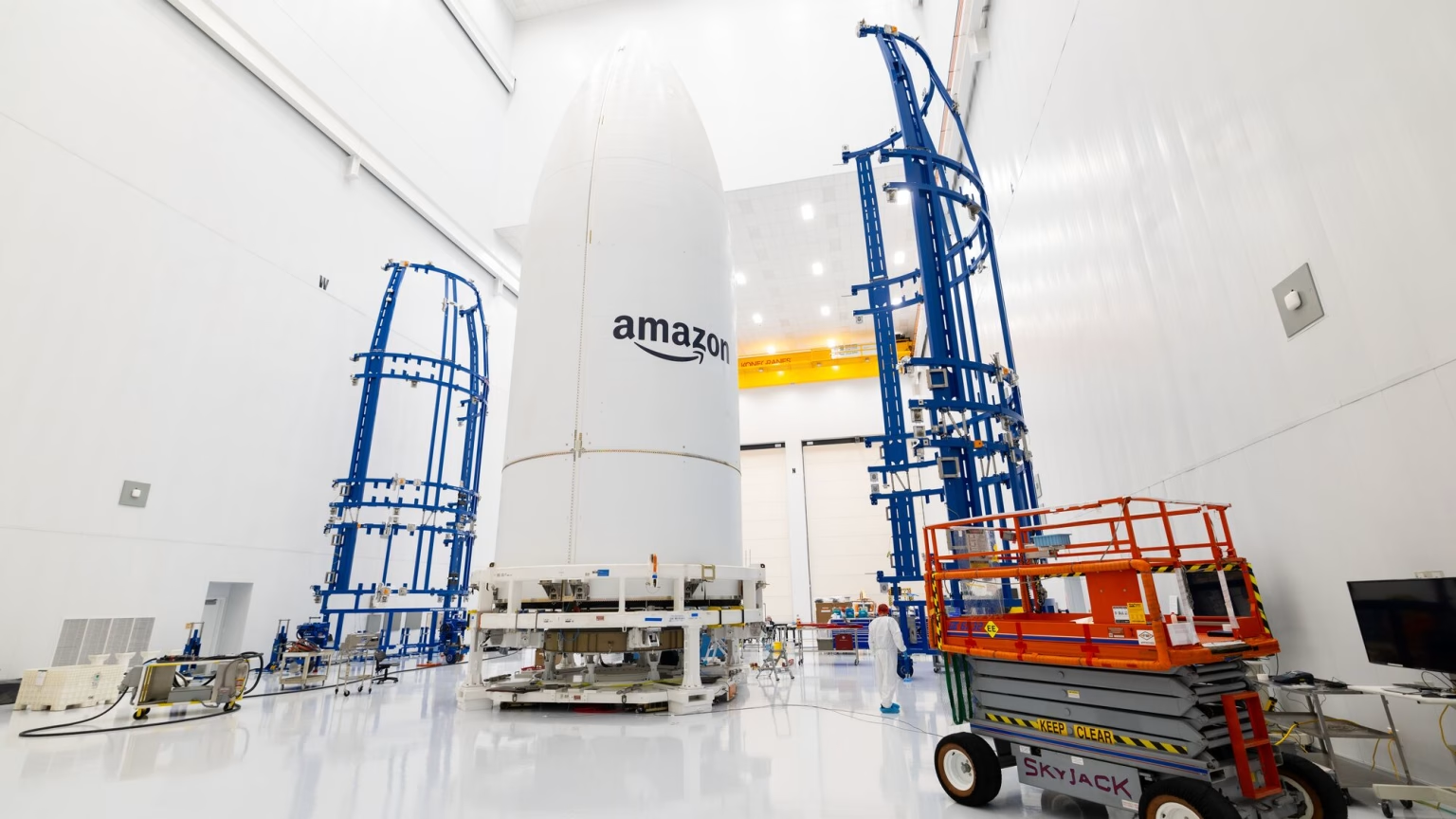
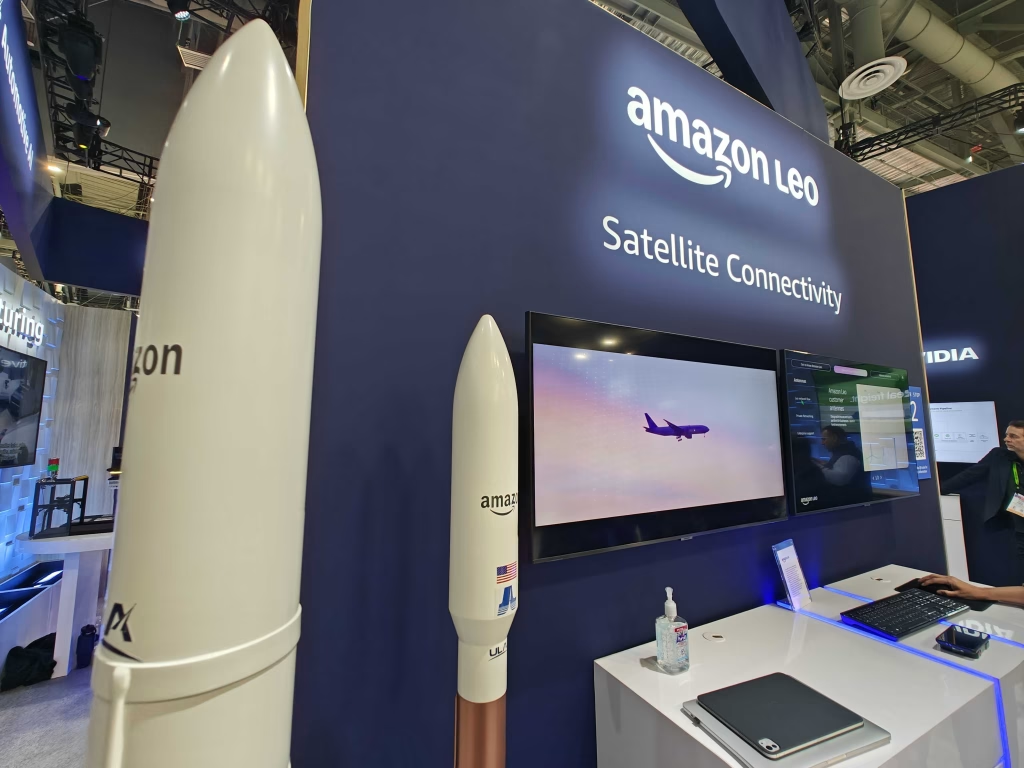
A successful acquisition would support Amazon’s push to expand Project Kuiper, its low-Earth orbit broadband venture designed to deliver high-speed internet connectivity to underserved areas. Although Amazon has started deploying Kuiper satellites, its network is still far smaller than Starlink’s, which has already established a strong foothold in the global satellite internet market.
The reported talks may also be shaped by Apple’s stake in Globalstar, which could influence how any agreement is structured.
The development is being closely watched in Africa, where satellite broadband providers are competing to serve remote communities, businesses and critical sectors that remain beyond the reach of conventional terrestrial infrastructure. Starlink has already entered several African countries, including Nigeria, Kenya, Rwanda and Mozambique, where it has attracted interest from schools, businesses and rural users seeking more reliable internet access.
Despite that progress, satellite operators still face regulatory and licensing hurdles in some African markets. Those constraints have slowed expansion in certain countries and created openings for companies with existing approvals and local operating relationships.
Globalstar could offer Amazon a strategic advantage in that regard. The company is understood to have spectrum rights and commercial relationships in parts of Africa, including South Africa, Rwanda, Mozambique and Gabon. Its presence in those markets, particularly in enterprise connectivity, industrial internet-of-things services and tracking solutions, could help Amazon accelerate its entry or expansion.
For African users, stronger rivalry in satellite broadband could improve access, widen consumer choice and place greater pressure on operators to compete on pricing, service quality and coverage.
While the reported deal remains unresolved, it signals growing interest in Africa as a key battleground in the global race to expand satellite internet services.