
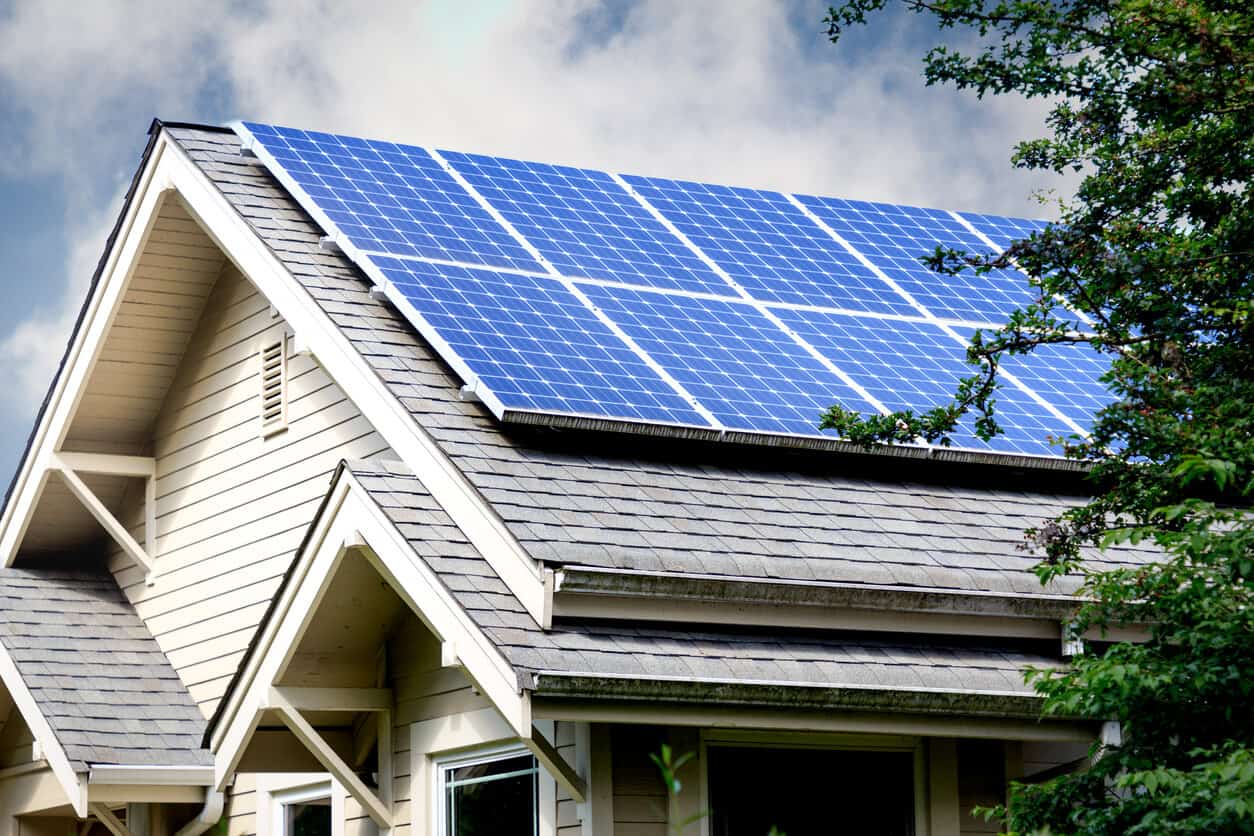

The Nigerian Electricity Management Services Agency, NEMSA, has issued a public notice setting out new safety guidelines for the installation of rooftop solar photovoltaic systems across Nigeria, following growing concerns over fire incidents linked to poorly installed systems.
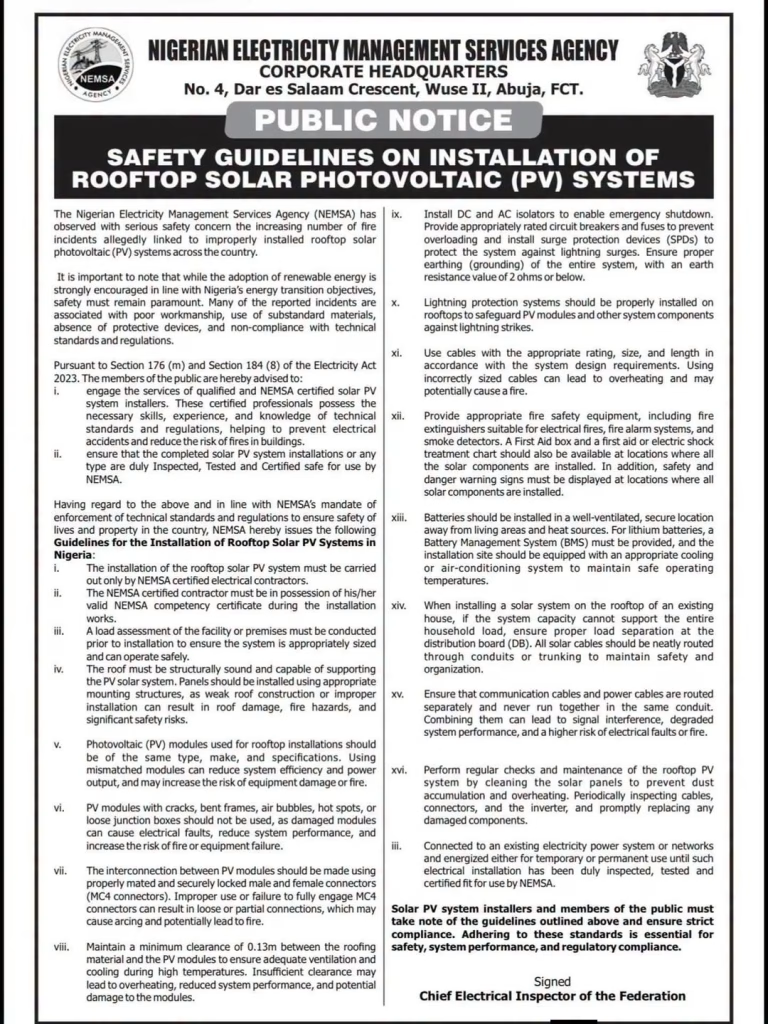
In the notice, the agency said it had observed an increase in reported fire outbreaks allegedly associated with improperly installed rooftop solar PV systems in different parts of the country.
NEMSA said the development was a serious safety concern, even as Nigeria continues to encourage the adoption of renewable energy in line with its energy transition goals.
The agency said many of the reported incidents were tied to poor workmanship, the use of substandard materials, absence of protective devices, and failure to comply with technical standards and regulations.
Citing Sections 176(m) and 184(8) of the Electricity Act 2023, NEMSA advised members of the public to use only qualified and NEMSA-certified solar PV installers for rooftop solar projects.
It also directed that completed solar PV installations must be inspected, tested and certified safe for use by the agency before they are energised.
Under the guidelines, NEMSA said rooftop solar systems must be installed only by its certified electrical contractors, while contractors are expected to have a valid NEMSA competency certificate throughout the installation process.
The agency also said a load assessment must be carried out before any installation to ensure the system is correctly sized and can operate safely.
According to the notice, the structural condition of the roof must be confirmed before mounting solar panels, warning that weak roofs or poor installation could lead to roof damage, fire hazards and other serious safety risks.
NEMSA further directed that solar modules used for rooftop systems should be of the same type, make and specification, noting that mismatched modules could reduce efficiency and increase the risk of equipment damage or fire.
It added that damaged PV modules, including those with cracks, bent frames, air bubbles, hot spots or loose junction boxes, should not be used because of the danger they pose to performance and safety.
On electrical connections, the agency said interconnection between PV modules must be done with properly matched and securely locked male and female connectors, warning that poor connections could lead to arcing and fire.
It also prescribed a minimum clearance of 0.13 metres between roofing material and PV modules to support ventilation and cooling, especially during high temperatures.
NEMSA said rooftop solar systems must include DC and AC isolators for emergency shutdown, properly rated circuit breakers and surge protection devices to guard against overload and lightning surges.
The agency said the entire system must also be properly earthed, with earth resistance not exceeding two ohms, while lightning protection systems should be installed to protect solar modules and other components.
It added that only cables with the correct rating, size and length should be used, stressing that undersized cables could overheat and trigger fires.
The notice also requires the provision of fire extinguishers suitable for electrical fires, smoke detectors, fire alarm systems, first aid boxes and electric shock treatment materials at installation locations. NEMSA said safety and danger warning signs must also be displayed where solar components are installed.
For battery storage, the agency said batteries must be installed in well-ventilated and secure locations away from living spaces and heat sources. It added that lithium batteries must be fitted with a Battery Management System and supported with suitable cooling or air-conditioning to maintain safe operating temperatures.
NEMSA also warned that where a solar system is being installed on the roof of an existing house, the system capacity must not exceed the household load. It said proper load separation should be maintained at the distribution board, while solar cables should be routed through conduits or trunking for safety and better organisation.
The agency said communication cables and power cables must be routed separately and should never be placed in the same conduit, as doing so could cause signal interference, reduced performance and a higher risk of electrical faults or fire.
It further directed users and installers to carry out regular checks and maintenance, including cleaning solar panels to prevent dust build-up and overheating, periodic inspection of cables, connectors and inverters, and prompt replacement of damaged parts.
NEMSA said no solar installation connected to an existing electricity system or network should be energised, whether temporarily or permanently, until it has been duly inspected, tested and certified fit for use by the agency.
The notice was signed by the Chief Electrical Inspector of the Federation.
NEMSA said strict compliance with the guidelines is essential for public safety, system performance and regulatory compliance as rooftop solar adoption continues to grow in Nigeria.