
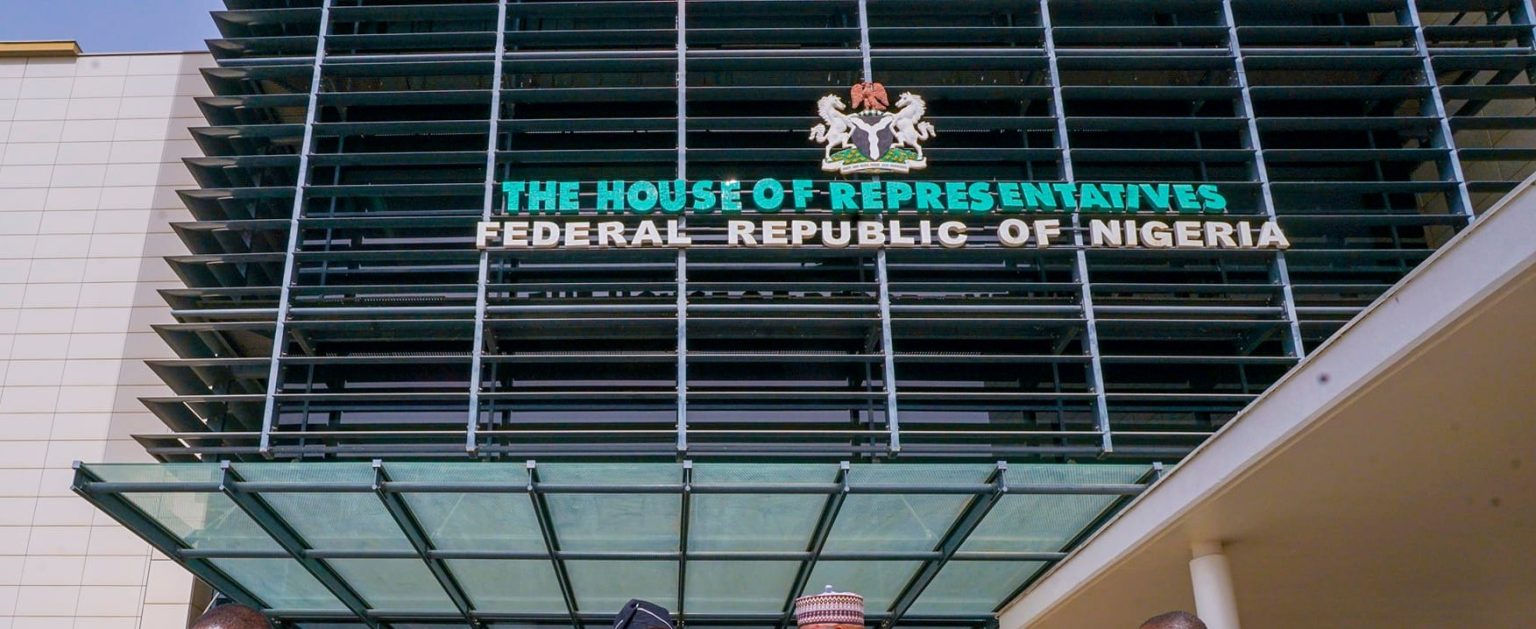

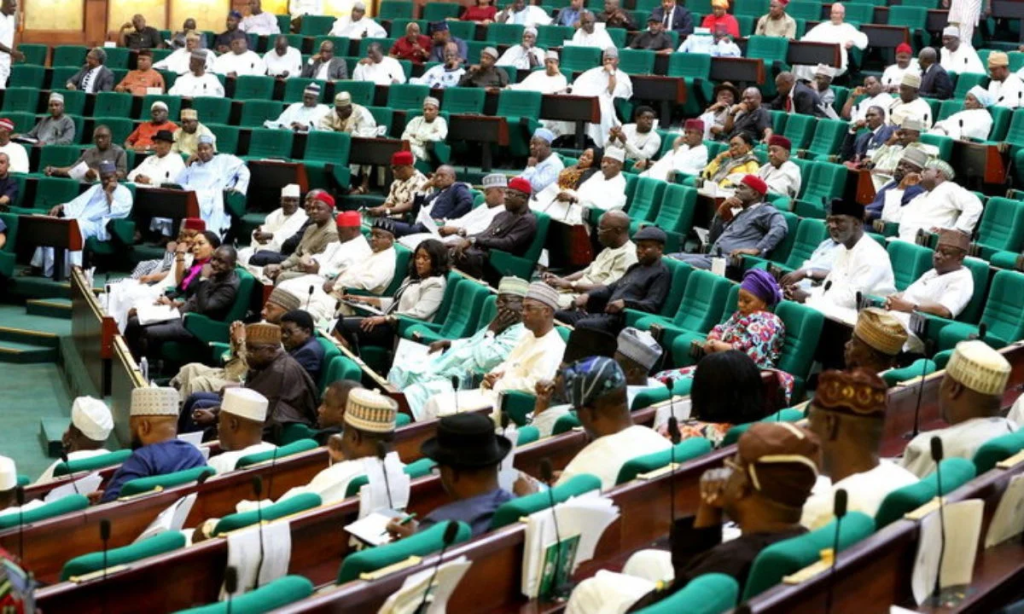
The House of Representatives on Tuesday approved the Electoral Bill 2026, a proposed law to repeal the Electoral Act 2022 and establish a new legal framework for the conduct of federal, state and area council elections in the Federal Capital Territory.
The Bill, formally titled a Bill for an Act to Repeal the Electoral Act No. 13 of 2022 and Enact the Electoral Act 2026, was passed at an emergency sitting of the House. Lawmakers said the action reflected the constitutional duty of the legislature to maintain a coherent, predictable and legally certain electoral system, both ahead of the 2027 general elections and for future electoral cycles.
The House had earlier passed a version of the Bill in December 2025, while the Senate approved its own version earlier this month. Disparities between the two drafts led to the establishment of a Joint Senate and House Conference Committee to harmonise the provisions, in line with parliamentary procedure.
Concerns later emerged following the release of the election timetable by the Independent National Electoral Commission, with stakeholders noting that some key dates overlapped with Ramadan and Lenten observances scheduled for next year. According to the House, these concerns were carefully reviewed within the limits of constitutional and legislative authority.
Under parliamentary rules, the Conference Committee was restricted to reconciling differences already contained in the versions passed by both chambers and could not introduce new substantive provisions. The committee completed this task and resolved all identified inconsistencies.
However, as the emerging concerns fell outside the scope of the harmonised drafts, the House convened an emergency session to introduce additional amendments. These changes, alongside the committee recommendations, were designed to provide INEC with a clearer statutory framework and sufficient latitude to make lawful adjustments to the electoral timetable, while preserving the certainty and integrity of the election calendar.
To lawfully integrate these changes, the House rescinded its earlier decision on the 2025 version of the Bill in accordance with its Standing Orders. The harmonisation process involved bipartisan input and was supported by principal officers, legal practitioners, civil society representatives and drafting experts.
Lawmakers said the Electoral Bill 2026 builds on the foundation of the Electoral Act 2022 and introduces targeted reforms to address ambiguities exposed by recent election related litigation. The Bill also strengthens institutional safeguards aimed at protecting the credibility of elections.
Among its key provisions, the Bill mandates the release of election funds to INEC at least one year before a general election, to improve planning and reduce undue influence. It revises the statutory notice of election to 300 days before polling day and shortens the deadline for submission of candidate lists from 180 to 120 days before elections, with the aim of resolving pre election disputes earlier.
The legislation gives express statutory backing to the Bimodal Voter Accreditation System and makes electronic transmission of polling unit results mandatory, with safeguards for exceptional circumstances. It also provides legal recognition for the INEC Result Viewing Portal, reinforces controls against overvoting at collation centres and strengthens penalties for deliberate violations of result collation procedures.
Other provisions include clearer rules governing INEC authority to review declarations made under duress within seven days and a requirement for political parties to maintain verifiable digital membership registers to enhance internal democracy.
Following the passage of the Bill, the House said the work of the Joint Conference Committee had been formally concluded, with its recommendations fully incorporated into the adopted version.
The House acknowledged that the legislation may not satisfy all interests but described it as the product of majority judgement exercised in line with constitutional mandate. Lawmakers said dissent and debate during plenary were legitimate features of democracy and reaffirmed a shared national commitment to free, fair and credible elections.
The 10th Assembly said it remained committed to strengthening democratic institutions, safeguarding the ballot and reinforcing public confidence in Nigeria electoral system.
The statement was signed by Rep Akin Rotimi, spokesman of the House of Representatives.