

February 26, 2026
Uyo – Prof Nentawe Yilwatda has urged Nigerian university graduates to prepare for global employment opportunities, arguing that jobs beyond the country’s borders are now more accessible than many local options.
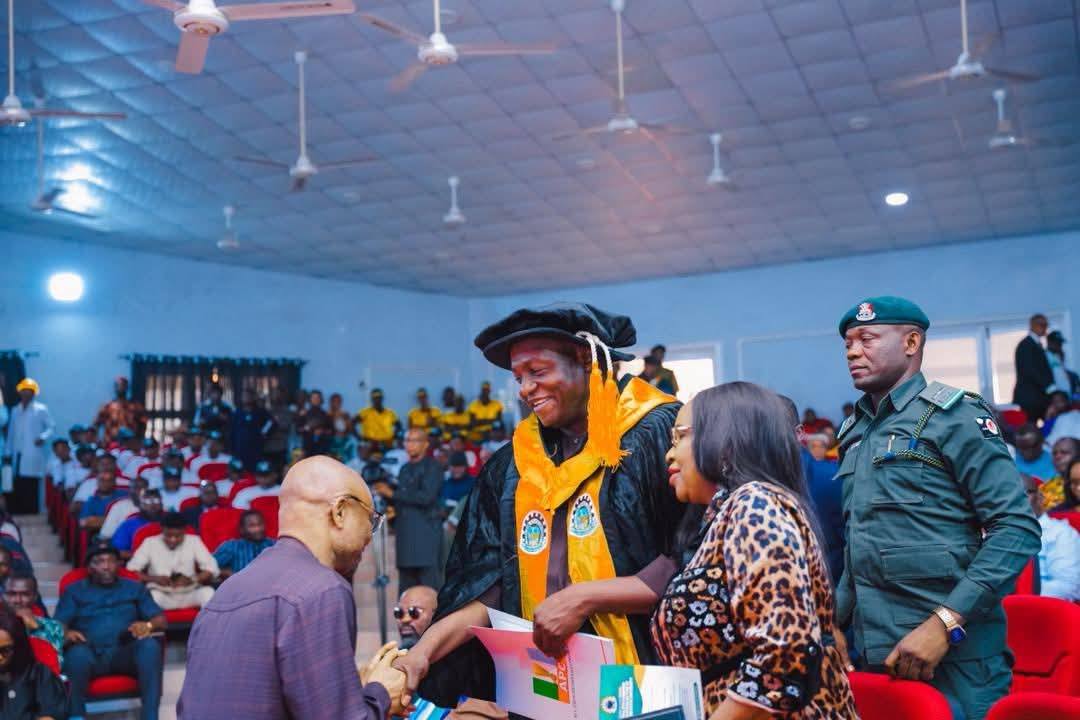
He made the call while delivering the sixth, seventh and eighth combined convocation lecture of Akwa Ibom State University, where he addressed graduating students on the need to reposition their skills for a rapidly changing world of work.
Speaking at the ceremony themed Leveraging Emerging Technology to Enhance University Education and National Development, Yilwatda said many Nigerian universities have traditionally operated within local frameworks. He noted that this model has produced graduates who mainly compete within domestic labour markets, an approach he said is no longer sustainable in a global and digital economy.
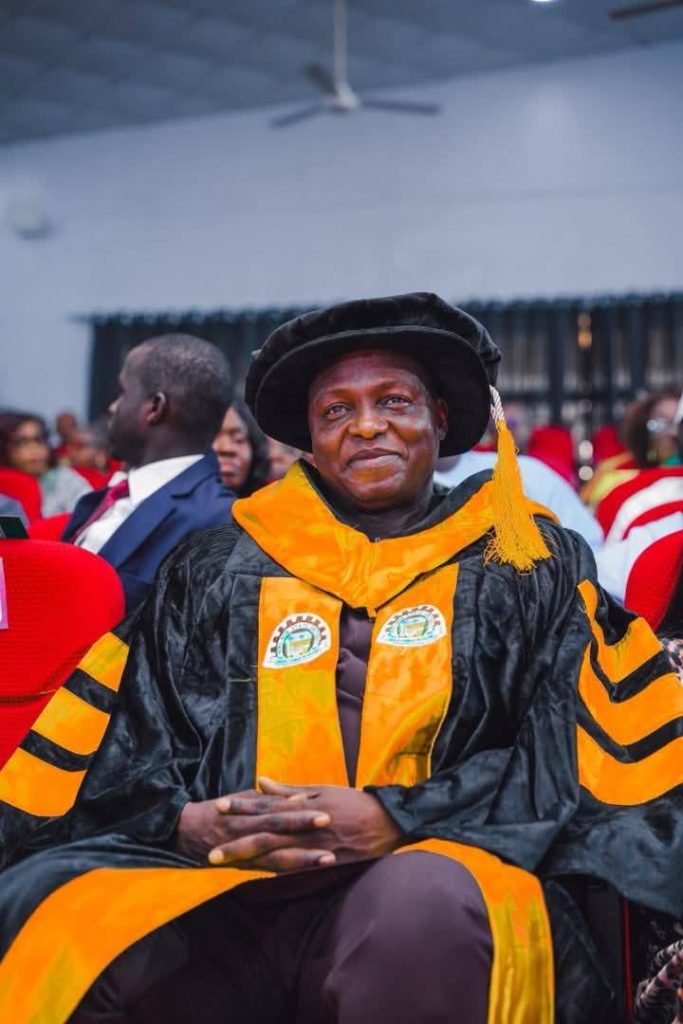
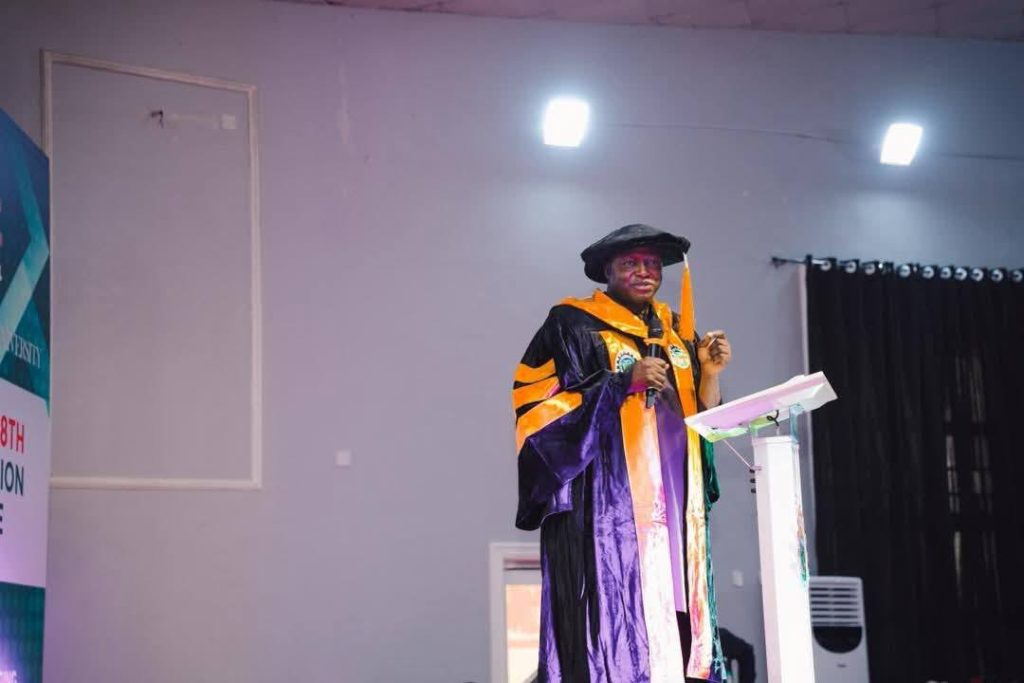
He described the global labour market as increasingly borderless, adding that young people with relevant digital skills now have greater access to international roles than local employment. According to him, Nigerian youths must adopt a global mindset, compete internationally, and be prepared to work across borders.
Yilwatda explained that the Fourth Industrial Revolution, driven by artificial intelligence, data analytics, robotics, biotechnology and digital platforms, has reshaped how work is organised and delivered. He said competence, creativity and digital literacy now matter more than physical location, urging graduates to see themselves as global problem solvers rather than geographically limited job seekers.
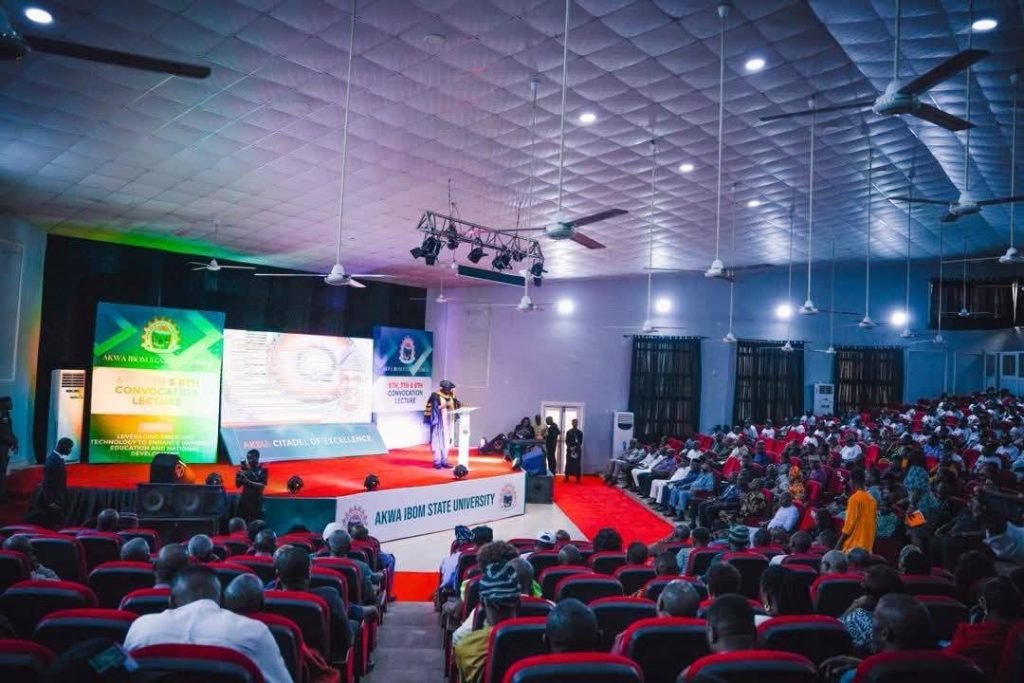
He also called on universities to align their curricula, research focus and teaching methods with global standards. He identified graduate employability, impactful research, international outlook, and quality teaching and learning as the core pillars of a modern university, stressing that technology is central to strengthening each of them.
While acknowledging Nigeria’s abundance of natural resources, particularly oil, gas and maritime assets in Akwa Ibom, Yilwatda said long term national prosperity would depend more on human capital than hydrocarbons. He argued that innovation and skills will define wealth in the twenty first century.
In support of this position, he announced a personal donation of one hundred million naira to fund advanced research at Akwa Ibom State University, with a focus on projects that deliver measurable social and economic benefits. He also pledged to increase the funding if the initial grant is used transparently and effectively, adding that he would personally oversee the projects to ensure accountability and results.