


Nigeria is stepping up efforts to position itself as a major regional and global gas supply hub, as the Federal Government seeks fresh investment in the energy sector under President Bola Tinubu’s administration.
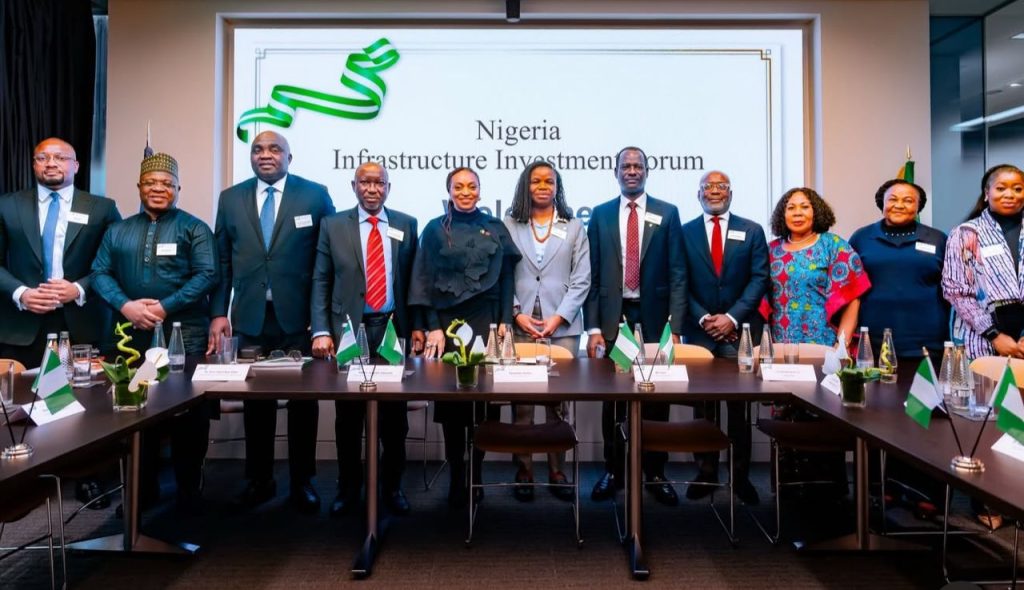
The Minister of State for Petroleum Resources, Gas, Ekperikpe Ekpo, stated this on Thursday at the High-Level Nigeria Infrastructure Investment Forum in London, where he outlined the government’s gas development strategy.
According to Ekpo, Nigeria is pursuing a long-term plan that places natural gas at the centre of economic growth, job creation and energy security.
A statement issued by the minister’s spokesman, Louis Ibah, said Ekpo told participants that the country was prioritising investment across the full gas value chain. He said this includes upstream development, processing facilities, pipeline infrastructure, domestic utilisation and export expansion under the Decade of Gas initiative.
The minister said Nigeria was also advancing major regional gas infrastructure projects designed to unlock investment and strengthen access to international markets.
He identified the West African Gas Pipeline as one of the key projects, noting that it already delivers Nigerian gas to neighbouring West African countries. He also pointed to the Gulf of Guinea Gas Pipeline Project, which is intended to deepen regional gas monetisation and support cooperation in LNG processing.
Ekpo further listed the proposed Trans-Saharan Gas Pipeline and Trans-Atlantic Gas Pipeline as major projects expected to connect Nigeria’s large gas reserves to European markets.
He said infrastructure development remains a central part of Nigeria’s wider economic agenda, covering energy, transport, digital connectivity and manufacturing, with the aim of improving productivity and enhancing the country’s competitiveness.
The minister described natural gas as strategically important to Nigeria’s development plans, saying it offers a practical transition fuel that can improve access to reliable energy while lowering emissions when compared with more carbon-intensive sources.
He added that delivering Nigeria’s infrastructure goals would depend on close cooperation among governments, financial institutions, private investors and technology providers.
Ekpo said the United Kingdom remains an important partner for Nigeria, particularly in project finance, technology transfer and institutional investment.