












By | Destiny Young
Uyo | Akwa Ibom State | May 4, 2026
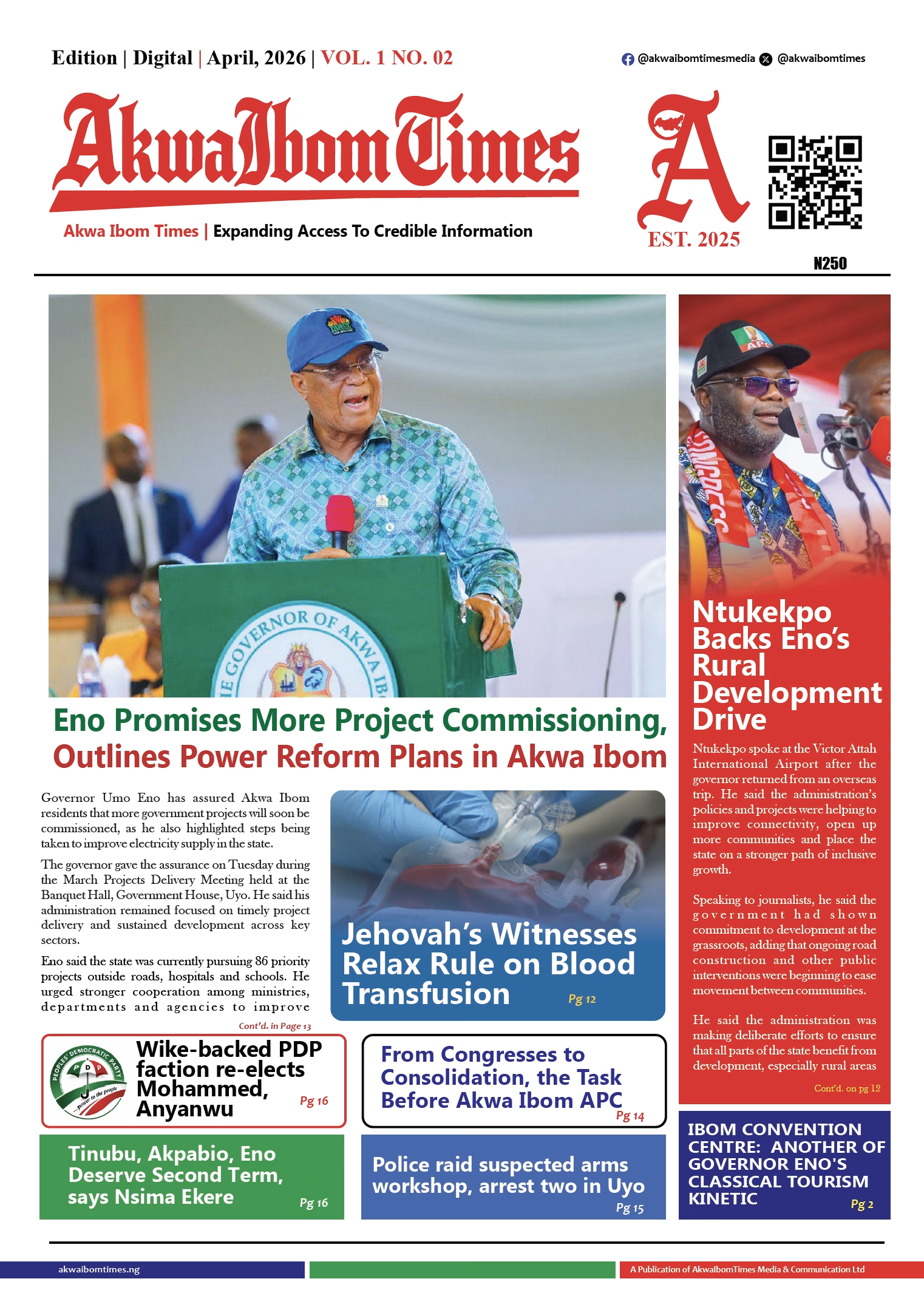
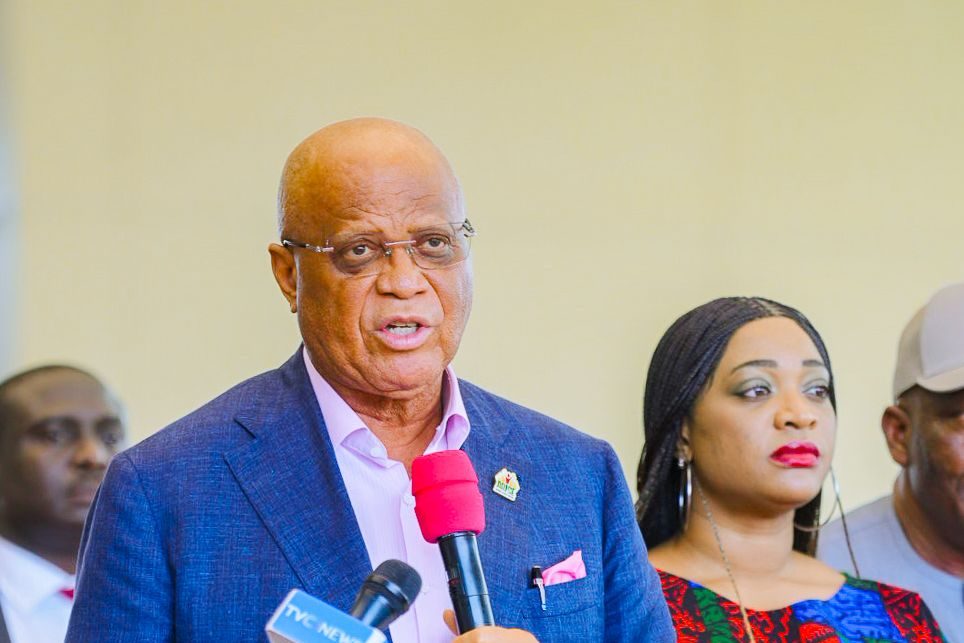
There are moments in the life of a state when leadership must look beyond the applause of the present and make decisions that speak to the future. For Akwa Ibom State, the continuing investment in aviation under Governor Umo Eno is one of such moments.
Aviation is not just about aircraft, runways and terminals. It is about access. It is about movement. It is about trade, tourism, investment, jobs, confidence and global visibility. It is about opening a state to opportunities that would otherwise pass it by.
This is the larger meaning of Governor Eno’s focus on the aviation sector. It is a deliberate stake in the future of Akwa Ibom.
For years, Akwa Ibom has carried the promise of a state with huge potential. It has human capital, peace, infrastructure, natural resources, coastline, hospitality, and a growing reputation for order and stability. Yet potential alone does not transform a society. Potential must be connected to markets, investors, tourists, partners and institutions. Aviation provides that bridge.
By strengthening the aviation ecosystem, Governor Eno is not merely maintaining an airport. He is positioning Akwa Ibom as a serious economic player in Nigeria and the wider Gulf of Guinea region.
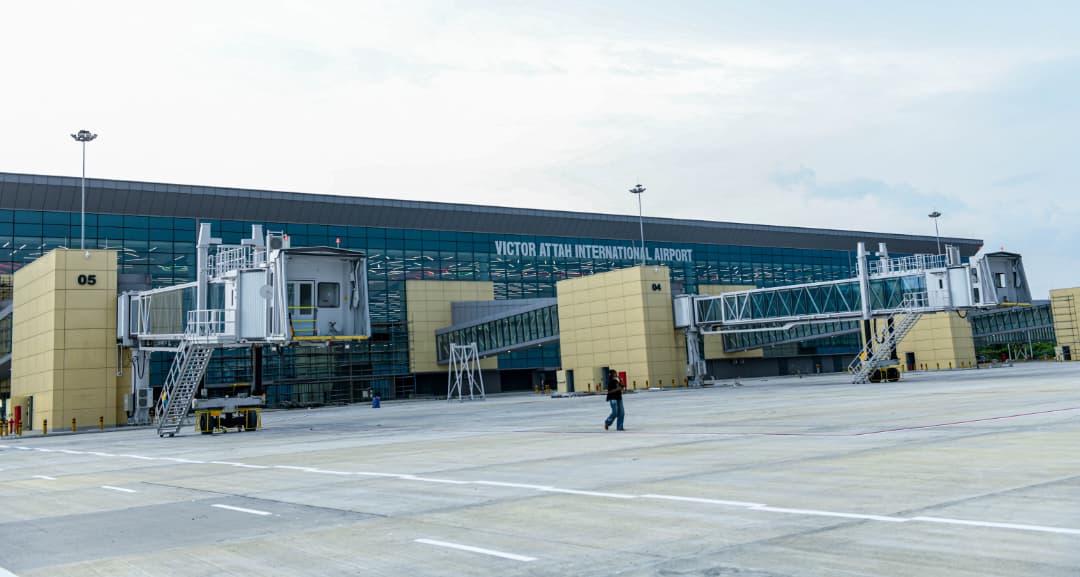
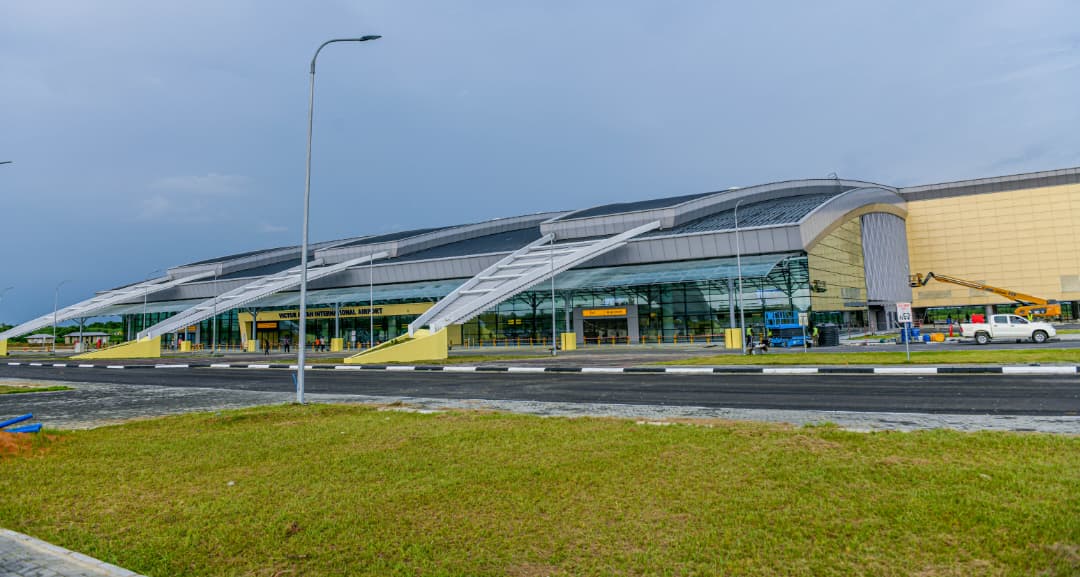
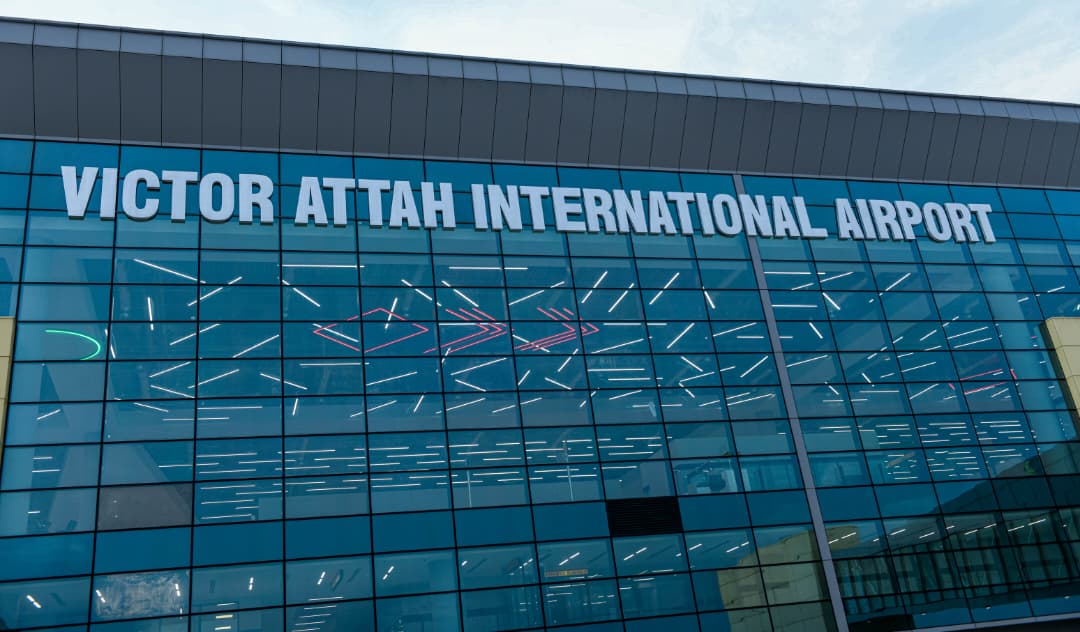
The Victor Attah International Airport represents today, one of the most strategic public assets in the state. With a smart terminal, cargo prospects, maintenance facilities, runway capacity, and the growing presence of Ibom Air, the airport represents more than a transport facility. It is a development platform.
The commencement of international flight operations from Uyo to Accra, Ghana, has further changed the conversation. It has moved Akwa Ibom from a state with an airport to a state with a gateway to the world. That difference is important.
For the ordinary traveller, it means convenience. For business owners, it means faster connection to regional markets. For investors, it signals seriousness. For young people, it opens possibilities in aviation services, logistics, hospitality, technology, tourism, security, facility management, customer service and allied sectors.
This is why the creation of a dedicated Ministry of Aviation and Airport Development deserves commendation. It shows that the governor understands that aviation cannot be handled casually. A sector of this scale requires focused policy direction, professional supervision, regulatory alignment, commercial discipline and long-term planning.
Governor Eno’s decision reflects a clear understanding that aviation development must be treated as a strategic economic pillar, not a side project.
The benefits can reach many areas of the state economy.
In tourism, easier access can bring more visitors to Akwa Ibom’s hotels, beaches, cultural sites, events and hospitality businesses. A state that is easy to reach becomes easier to promote. Conferences, festivals, sports events and investment summits become more attractive when participants can fly in and out with confidence.
In commerce, aviation shortens distance. Traders, exporters, manufacturers and service providers can move faster. A strong cargo and logistics component can help local producers reach wider markets. Farmers, seafood dealers, fashion entrepreneurs, pharmaceutical suppliers, ICT businesses and small manufacturers can benefit from better access to national and regional supply chains.
In employment, aviation creates direct and indirect jobs. Pilots, engineers, technicians, ground handlers, security personnel, drivers, cleaners, caterers, customer service officers, travel agents, hotel workers and logistics operators all form part of the aviation value chain. When the sector grows, opportunities multiply.
In education and skills development, the aviation ecosystem can inspire training institutions, technical programmes and partnerships. Young Akwa Ibom people can be prepared for careers in aircraft maintenance, airport operations, aviation safety, ticketing, logistics, data systems and transport management.
In public image, aviation gives a state visibility. Investors notice places that are connected. Tourists notice destinations that are accessible. Development partners notice governments that plan beyond routine politics. By placing Akwa Ibom on the aviation map, Governor Eno is also strengthening the state’s brand.
The significance of Ibom Air in this story cannot be ignored. The airline has become one of Akwa Ibom’s strongest symbols of institutional ambition. It shows what a subnational government can achieve when investment is backed by professionalism, operational discipline and a clear growth strategy.
Governor Eno’s task is therefore not only to preserve this asset, but to deepen its value. His aviation policy direction suggests that he understands this responsibility.
The aviation sector also supports the broader ARISE Agenda. It speaks to rural and urban economic linkages. It supports tourism. It strengthens infrastructure. It expands enterprise. It creates a platform for investment. It gives practical meaning to the idea of connecting Akwa Ibom to prosperity.
What makes this investment even more important is that its full value may not be seen in one budget cycle or one political season. Aviation is a future-facing sector. Its rewards grow with consistency, quality service, safety, maintenance, route expansion, commercial partnerships and investor confidence.
That is why the governor deserves commendation. He is placing the interest of Akwa Ibom’s future above short-term applause. He is building a structure that can serve the state for decades if properly managed.
Leadership is not only about responding to today’s needs. It is also about preparing a people for tomorrow’s opportunities. In aviation, Governor Umo Eno has chosen a path that can redefine Akwa Ibom’s economic geography.
The airport, the airline, the new ministry, the international route and the larger aviation ecosystem all point to one message: Akwa Ibom is no longer content to remain on the margins of regional commerce and global mobility.
The state is moving. The future is taking shape. And under Governor Umo Eno, aviation has become one of the strongest signals that Akwa Ibom is preparing for a bigger role in Nigeria, Africa and the world.
About the Author
—
Citp’ Destiny Young, FIIM, MCPN, IT/Digital Transformation Executive and Political Communication Expert, serves as the Special Assistant to the Governor of Akwa Ibom State on New Media and Digital Communication, writing under a personal capacity.