



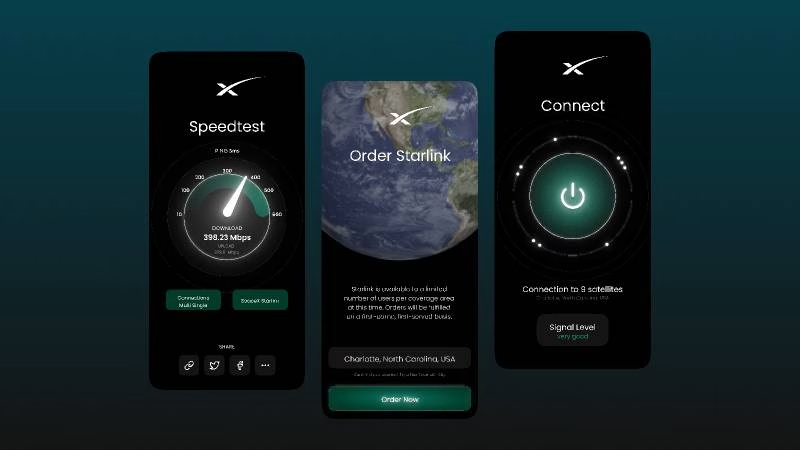
The US Federal Communications Commission is moving to overhaul satellite spectrum-sharing rules in a step that could make Starlink internet faster, more reliable, and cheaper for users if adopted later this month. The proposed rule change is scheduled for a vote on April 30, 2026.
At the centre of the proposal is a review of long-standing power limits that govern how geostationary and non-geostationary satellite systems share spectrum. The FCC says the current framework, much of which dates back to the 1990s, no longer matches the capabilities of newer satellite technologies and is limiting the performance of modern broadband constellations.
For Starlink, which operates a low-Earth orbit satellite network through SpaceX, the implications are significant. The FCC says the revised framework could unlock up to seven times more capacity for space-based broadband systems. In practical terms, that could allow providers such as Starlink to deliver better speeds, improved service quality, and lower costs per user, especially in rural and underserved areas where satellite internet often fills critical connectivity gaps.
The proposal comes as SpaceX continues expanding Starlink’s footprint. In January 2026, the FCC approved SpaceX’s plan to deploy an additional 7,500 second-generation Starlink satellites, a move that strengthened the company’s ability to scale coverage and capacity. That earlier approval now adds weight to expectations that any relaxation of spectrum constraints could further improve Starlink’s network economics and service delivery.
The FCC has framed the planned reform as part of a broader push to modernise US communications policy and support next-generation infrastructure. According to the agency, the proposed changes could generate more than $2 billion in economic benefits while expanding access to high-speed internet services from space.
The plan, however, is not without opposition. Rival satellite operators including Viasat and DirecTV have raised concerns that easing the limits could increase the risk of harmful interference for other systems already operating in orbit. That means the proposal remains a contested issue within the satellite communications industry, even as it gains support from companies seeking more flexible operating conditions.
If approved, the rule change would mark an important regulatory win for SpaceX and could reshape competition in the satellite broadband market. For consumers, the clearest effect would likely be stronger performance and lower prices over time, though the final outcome will depend on how quickly providers translate any new spectrum flexibility into service improvements.